Is E20 petrol hurting your mileage? Survey finds sharp drop in fuel efficiency
The survey has reignited concerns over E20 petrol, with owners of older vehicles reporting sharp mileage losses and increased wear, even as the Centre maintains the ethanol blending programme remains scientifically safe.
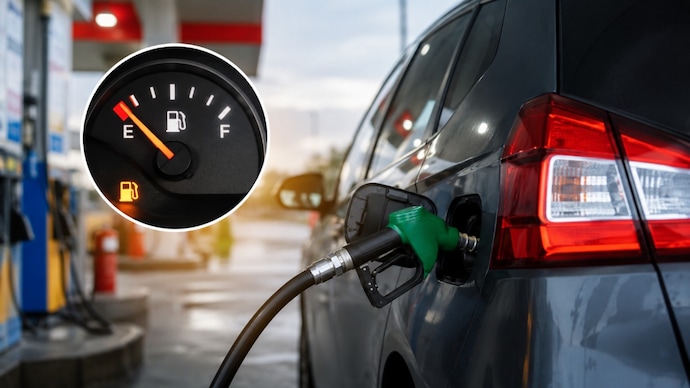
A fresh survey has reignited concerns over the impact of E20 petrol on older petrol vehicles, with a growing number of owners reporting significant drops in fuel efficiency and higher maintenance requirements more than a year after India completed the nationwide rollout of 20% ethanol-blended petrol.
According to a nationwide survey conducted by citizen engagement platform LocalCircles, 66% of owners of petrol vehicles manufactured before 2023 said their vehicle's fuel efficiency has dropped by more than 10% since early 2025, a sharp increase from 45% recorded in a similar survey conducted in May 2026.
The survey also found that 55% of respondents reported increased wear and tear or higher repair requirements, nearly doubling from 29% in the previous month's survey.
The survey covered over 44,000 owners of pre-2023 petrol vehicles across 305 districts, making it one of the largest consumer studies conducted on the subject.
Government says E20 is safe
India completed the nationwide rollout of E20 petrol in April 2025, achieving its 20% ethanol blending target several years ahead of the original 2030 timeline. The programme is aimed at reducing crude oil imports, lowering vehicular emissions, improving energy security and creating additional income opportunities for farmers through higher ethanol production.
However, concerns regarding compatibility with older vehicles have persisted ever since the rollout began.
Earlier this month, the Ministry of Petroleum and Natural Gas also dismissed several viral claims circulating on social media linking ethanol-blended fuel with engine failures or incidents such as ants gathering around fuel tanks. The ministry clarified that no widespread engine failures attributable to E20 petrol have been reported and described such viral videos as misleading and scientifically inaccurate.
The government further stated that the ethanol blending programme is continuously monitored and is based on scientific evaluation.
Survey points to worsening consumer experience
Despite the official assurances, the LocalCircles survey indicates that many owners of older petrol vehicles believe the transition has negatively affected their vehicles.
Among more than 22,000 respondents answering questions on mileage, 23% reported fuel efficiency losses exceeding 20%, another 23% reported a decline between 15 and 20%, while 20% reported losses between 10 and 15%. Overall, two out of every three respondents claimed their mileage had declined by more than 10%.
The deterioration was equally visible in maintenance-related responses.
Of the nearly 22,700 respondents answering questions on vehicle condition, 24% reported major increases in wear and tear, 21% cited moderate increases, while another 10% experienced slight increases in repairs involving components such as fuel pumps, injectors, carburettors, fuel lines and tanks.
Is E20 affecting older vehicles?
Experts have long pointed out that ethanol contains lower energy per litre than conventional petrol. Since ethanol carries approximately one-third less energy than petrol, vehicles generally consume slightly more fuel to produce the same power output.
The Automotive Research Association of India (ARAI) has previously estimated that E20 fuel could reduce fuel efficiency by around 1 to 6%. However, several independent real-world tests have reported mileage losses ranging between 8 and 12% in older vehicles.
The issue is believed to be more pronounced in vehicles designed for lower ethanol blends such as E5 or E10. Older engines typically lack adaptive engine management systems capable of automatically adjusting fuel injection and combustion parameters for higher ethanol content.
Apart from mileage, ethanol's hygroscopic nature, which enables it to absorb moisture has also raised concerns regarding corrosion in fuel systems over prolonged periods. Ethanol can also affect older rubber seals, hoses and gaskets that were not originally designed for sustained exposure to higher ethanol concentrations, potentially leading to premature component wear.
Maruti Suzuki is reportedly preparing retrofit kits for older vehicles comprising ethanol-compatible fuel lines, seals and gaskets. These kits are expected to cost between Rs 4,000 and Rs 6,000, allowing owners of older vehicles to improve compatibility with E20 fuel.
Meanwhile, the Bureau of Indian Standards (BIS) has already notified standards for E22 to E30 fuels, signalling the government's intent to gradually expand ethanol blending beyond the current 20% level in the future. From April 1, 2026, the government has also mandated that E20 petrol sold across the country must have a minimum Research Octane Number (RON) of 95 to improve combustion characteristics.
Demand for lower ethanol options
Based on its findings, LocalCircles has urged policymakers to reconsider fuel choices available for owners of older vehicles.
The organisation suggested that motorists driving pre-2023 petrol vehicles should be allowed the option of purchasing lower ethanol blends such as E5 or E10 until the long-term effects of higher ethanol content become clearer.
It also recommended stricter monitoring of ethanol content at fuel stations to ensure that petrol sold as E20 does not exceed the prescribed 20% ethanol concentration.
The debate over ethanol-blended fuel is expected to continue as India balances its ambitious energy transition goals with concerns from millions of owners of older petrol vehicles. While the government maintains that the programme remains scientifically validated and essential for reducing oil imports and emissions, growing consumer feedback suggests that the experience of legacy vehicles may require closer monitoring and further policy intervention.
Subscribe to Auto Today Magazine
A fresh survey has reignited concerns over the impact of E20 petrol on older petrol vehicles, with a growing number of owners reporting significant drops in fuel efficiency and higher maintenance requirements more than a year after India completed the nationwide rollout of 20% ethanol-blended petrol.
According to a nationwide survey conducted by citizen engagement platform LocalCircles, 66% of owners of petrol vehicles manufactured before 2023 said their vehicle's fuel efficiency has dropped by more than 10% since early 2025, a sharp increase from 45% recorded in a similar survey conducted in May 2026.
The survey also found that 55% of respondents reported increased wear and tear or higher repair requirements, nearly doubling from 29% in the previous month's survey.
The survey covered over 44,000 owners of pre-2023 petrol vehicles across 305 districts, making it one of the largest consumer studies conducted on the subject.
Government says E20 is safe
India completed the nationwide rollout of E20 petrol in April 2025, achieving its 20% ethanol blending target several years ahead of the original 2030 timeline. The programme is aimed at reducing crude oil imports, lowering vehicular emissions, improving energy security and creating additional income opportunities for farmers through higher ethanol production.
However, concerns regarding compatibility with older vehicles have persisted ever since the rollout began.
Earlier this month, the Ministry of Petroleum and Natural Gas also dismissed several viral claims circulating on social media linking ethanol-blended fuel with engine failures or incidents such as ants gathering around fuel tanks. The ministry clarified that no widespread engine failures attributable to E20 petrol have been reported and described such viral videos as misleading and scientifically inaccurate.
The government further stated that the ethanol blending programme is continuously monitored and is based on scientific evaluation.
Survey points to worsening consumer experience
Despite the official assurances, the LocalCircles survey indicates that many owners of older petrol vehicles believe the transition has negatively affected their vehicles.
Among more than 22,000 respondents answering questions on mileage, 23% reported fuel efficiency losses exceeding 20%, another 23% reported a decline between 15 and 20%, while 20% reported losses between 10 and 15%. Overall, two out of every three respondents claimed their mileage had declined by more than 10%.
The deterioration was equally visible in maintenance-related responses.
Of the nearly 22,700 respondents answering questions on vehicle condition, 24% reported major increases in wear and tear, 21% cited moderate increases, while another 10% experienced slight increases in repairs involving components such as fuel pumps, injectors, carburettors, fuel lines and tanks.
Is E20 affecting older vehicles?
Experts have long pointed out that ethanol contains lower energy per litre than conventional petrol. Since ethanol carries approximately one-third less energy than petrol, vehicles generally consume slightly more fuel to produce the same power output.
The Automotive Research Association of India (ARAI) has previously estimated that E20 fuel could reduce fuel efficiency by around 1 to 6%. However, several independent real-world tests have reported mileage losses ranging between 8 and 12% in older vehicles.
The issue is believed to be more pronounced in vehicles designed for lower ethanol blends such as E5 or E10. Older engines typically lack adaptive engine management systems capable of automatically adjusting fuel injection and combustion parameters for higher ethanol content.
Apart from mileage, ethanol's hygroscopic nature, which enables it to absorb moisture has also raised concerns regarding corrosion in fuel systems over prolonged periods. Ethanol can also affect older rubber seals, hoses and gaskets that were not originally designed for sustained exposure to higher ethanol concentrations, potentially leading to premature component wear.
Maruti Suzuki is reportedly preparing retrofit kits for older vehicles comprising ethanol-compatible fuel lines, seals and gaskets. These kits are expected to cost between Rs 4,000 and Rs 6,000, allowing owners of older vehicles to improve compatibility with E20 fuel.
Meanwhile, the Bureau of Indian Standards (BIS) has already notified standards for E22 to E30 fuels, signalling the government's intent to gradually expand ethanol blending beyond the current 20% level in the future. From April 1, 2026, the government has also mandated that E20 petrol sold across the country must have a minimum Research Octane Number (RON) of 95 to improve combustion characteristics.
Demand for lower ethanol options
Based on its findings, LocalCircles has urged policymakers to reconsider fuel choices available for owners of older vehicles.
The organisation suggested that motorists driving pre-2023 petrol vehicles should be allowed the option of purchasing lower ethanol blends such as E5 or E10 until the long-term effects of higher ethanol content become clearer.
It also recommended stricter monitoring of ethanol content at fuel stations to ensure that petrol sold as E20 does not exceed the prescribed 20% ethanol concentration.
The debate over ethanol-blended fuel is expected to continue as India balances its ambitious energy transition goals with concerns from millions of owners of older petrol vehicles. While the government maintains that the programme remains scientifically validated and essential for reducing oil imports and emissions, growing consumer feedback suggests that the experience of legacy vehicles may require closer monitoring and further policy intervention.
Subscribe to Auto Today Magazine

