Ninth-generation Toyota Hilux likely to launch in India on July 28
Toyota is expected to launch the ninth-generation Hilux in India on July 28, bringing a fresh design, premium cabin, mild-hybrid diesel powertrain and more features to the pickup.
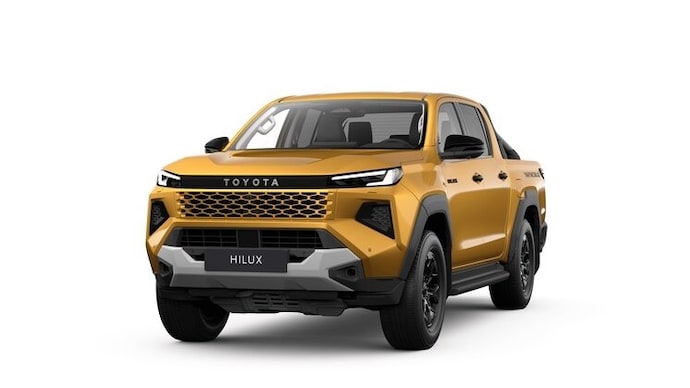
Toyota is expected to launch the ninth-generation Hilux in India on July 28, bringing one of the biggest updates yet to its lifestyle pickup truck. The new Hilux made its global debut in November 2025 and was recently spotted testing in Delhi's Aerocity, signalling that its India launch is imminent.
The outgoing Hilux has been on sale in India for over four years, and the new-generation model is set to raise the bar with a sharper design, a significantly more premium cabin, new technology and an updated powertrain. Given the extensive changes, the new Hilux is expected to command a premium over the current model, which is priced between Rs 28.52 lakh and Rs 35.85 lakh (ex-showroom).
Sharper design with a more modern look
The ninth-generation Hilux adopts a new design language while retaining the rugged appeal that has made it a global success. Developed around Toyota's 'Tough and Agile' philosophy, the pickup features a more upright stance, sharper body lines and improved aerodynamics.
At the front, slim LED headlamps are connected by a black trim panel carrying the Toyota lettering, while a large honeycomb-pattern grille, angular air intakes and a chunky bumper give the pickup a more aggressive appearance. The side profile features cleaner body surfacing, squared-off wheel arches with prominent cladding and newly designed 17-inch alloy wheels. At the rear, vertically stacked C-shaped LED tail-lamps, a large Toyota wordmark on the tailgate and a redesigned bumper with integrated rear steps complete the updated look.
Cabin gets a major overhaul
The biggest transformation is inside the cabin. The dashboard has been completely redesigned and now features a far more premium layout centred around twin 12.3-inch displays that serve as the digital instrument cluster and infotainment system. Toyota has also retained several physical buttons and switches across the dashboard, centre console and steering wheel, making frequently used controls easier to operate, particularly during off-road driving.
The feature list has grown substantially as well. The new Hilux is expected to offer powered and ventilated front seats, dual-zone automatic climate control, a wireless charging pad, connected car technology, multiple terrain and drive modes, a 360-degree camera, blind-spot monitoring and over-the-air software updates. Higher variants are also expected to come equipped with Toyota's latest Advanced Driver Assistance Systems (ADAS) suite and driver drowsiness detection.
Mild-hybrid diesel likely for India
Under the hood, the India-spec Hilux is expected to continue with Toyota's proven 2.8-litre four-cylinder turbocharged diesel engine producing 204bhp and 500Nm of torque. However, unlike the outgoing model, Toyota is likely to pair this engine with its new 48V Neo Drive mild-hybrid system, which recently debuted on the Fortuner.
The mild-hybrid setup is expected to improve throttle response, refinement and fuel efficiency while preserving the Hilux's renowned durability and off-road capability. A six-speed automatic gearbox is expected to be offered, while four-wheel drive is likely to remain available on higher variants.
Improved capability and safety
Although it continues to use Toyota's IMV ladder-frame platform, the new Hilux receives several mechanical upgrades. In global markets, Toyota has introduced electric power steering, improving low-speed manoeuvrability while reducing steering kickback on rough terrain. The pickup is also expected to feature enhanced terrain management systems to improve off-road performance.
Safety has also received a significant boost. The new Hilux is expected to offer Toyota's latest T-Mate suite of driver assistance technologies, including Blind Spot Monitoring, Safe Exit Assist, Proactive Driving Assist, Low-Speed Acceleration Suppression, Emergency Driving Stop and a driver monitoring camera, alongside multiple airbags and electronic stability control.
Will India get the electric Hilux?
Toyota has also introduced a fully electric version of the Hilux globally, making it the brand's first battery-electric body-on-frame pickup. The Hilux BEV uses a 59.2kWh battery pack and dual electric motors producing a combined 196hp, offering a claimed WLTP range of around 240km along with permanent all-wheel drive.
Toyota has also confirmed that a hydrogen fuel-cell version will join the global lineup in 2028. However, neither the battery-electric nor hydrogen-powered versions are expected to reach India in the near future, with the mild-hybrid diesel likely to remain the focus for the Indian market.
Expected price and launch
With its comprehensive redesign, richer equipment list and updated powertrain, the ninth-generation Hilux is expected to be priced higher than the outgoing model. Prices are likely to start above Rs 30 lakh (ex-showroom), with fully loaded variants expected to approach the Rs 40 lakh mark.
Subscribe to Auto Today Magazine
Toyota is expected to launch the ninth-generation Hilux in India on July 28, bringing one of the biggest updates yet to its lifestyle pickup truck. The new Hilux made its global debut in November 2025 and was recently spotted testing in Delhi's Aerocity, signalling that its India launch is imminent.
The outgoing Hilux has been on sale in India for over four years, and the new-generation model is set to raise the bar with a sharper design, a significantly more premium cabin, new technology and an updated powertrain. Given the extensive changes, the new Hilux is expected to command a premium over the current model, which is priced between Rs 28.52 lakh and Rs 35.85 lakh (ex-showroom).
Sharper design with a more modern look
The ninth-generation Hilux adopts a new design language while retaining the rugged appeal that has made it a global success. Developed around Toyota's 'Tough and Agile' philosophy, the pickup features a more upright stance, sharper body lines and improved aerodynamics.
At the front, slim LED headlamps are connected by a black trim panel carrying the Toyota lettering, while a large honeycomb-pattern grille, angular air intakes and a chunky bumper give the pickup a more aggressive appearance. The side profile features cleaner body surfacing, squared-off wheel arches with prominent cladding and newly designed 17-inch alloy wheels. At the rear, vertically stacked C-shaped LED tail-lamps, a large Toyota wordmark on the tailgate and a redesigned bumper with integrated rear steps complete the updated look.
Cabin gets a major overhaul
The biggest transformation is inside the cabin. The dashboard has been completely redesigned and now features a far more premium layout centred around twin 12.3-inch displays that serve as the digital instrument cluster and infotainment system. Toyota has also retained several physical buttons and switches across the dashboard, centre console and steering wheel, making frequently used controls easier to operate, particularly during off-road driving.
The feature list has grown substantially as well. The new Hilux is expected to offer powered and ventilated front seats, dual-zone automatic climate control, a wireless charging pad, connected car technology, multiple terrain and drive modes, a 360-degree camera, blind-spot monitoring and over-the-air software updates. Higher variants are also expected to come equipped with Toyota's latest Advanced Driver Assistance Systems (ADAS) suite and driver drowsiness detection.
Mild-hybrid diesel likely for India
Under the hood, the India-spec Hilux is expected to continue with Toyota's proven 2.8-litre four-cylinder turbocharged diesel engine producing 204bhp and 500Nm of torque. However, unlike the outgoing model, Toyota is likely to pair this engine with its new 48V Neo Drive mild-hybrid system, which recently debuted on the Fortuner.
The mild-hybrid setup is expected to improve throttle response, refinement and fuel efficiency while preserving the Hilux's renowned durability and off-road capability. A six-speed automatic gearbox is expected to be offered, while four-wheel drive is likely to remain available on higher variants.
Improved capability and safety
Although it continues to use Toyota's IMV ladder-frame platform, the new Hilux receives several mechanical upgrades. In global markets, Toyota has introduced electric power steering, improving low-speed manoeuvrability while reducing steering kickback on rough terrain. The pickup is also expected to feature enhanced terrain management systems to improve off-road performance.
Safety has also received a significant boost. The new Hilux is expected to offer Toyota's latest T-Mate suite of driver assistance technologies, including Blind Spot Monitoring, Safe Exit Assist, Proactive Driving Assist, Low-Speed Acceleration Suppression, Emergency Driving Stop and a driver monitoring camera, alongside multiple airbags and electronic stability control.
Will India get the electric Hilux?
Toyota has also introduced a fully electric version of the Hilux globally, making it the brand's first battery-electric body-on-frame pickup. The Hilux BEV uses a 59.2kWh battery pack and dual electric motors producing a combined 196hp, offering a claimed WLTP range of around 240km along with permanent all-wheel drive.
Toyota has also confirmed that a hydrogen fuel-cell version will join the global lineup in 2028. However, neither the battery-electric nor hydrogen-powered versions are expected to reach India in the near future, with the mild-hybrid diesel likely to remain the focus for the Indian market.
Expected price and launch
With its comprehensive redesign, richer equipment list and updated powertrain, the ninth-generation Hilux is expected to be priced higher than the outgoing model. Prices are likely to start above Rs 30 lakh (ex-showroom), with fully loaded variants expected to approach the Rs 40 lakh mark.
Subscribe to Auto Today Magazine

