Can E20 damage E10 vehicles? Here's what the ARAI study found
A resurfaced 2021 ARAI study has renewed the debate over E20 petrol, indicating that while the fuel is safe for metal components, it may accelerate wear in certain rubber and plastic fuel-system parts in E10-compatible vehicles.
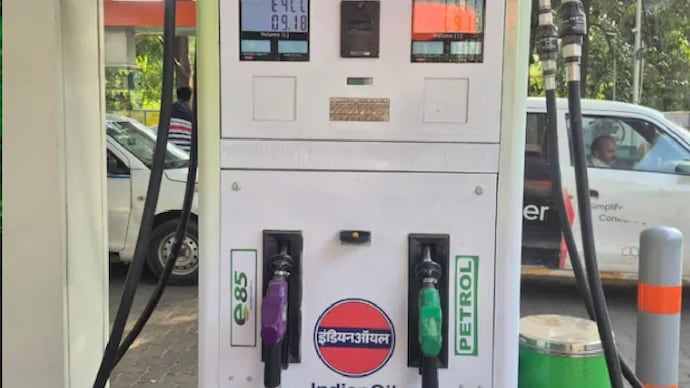
A resurfaced research study reportedly conducted by the Automotive Research Association of India (ARAI) in 2021 has reignited the debate over E20 petrol, indicating that while the higher ethanol blend does not significantly affect metal fuel-system components, it can accelerate deterioration in certain rubber and plastic parts used in vehicles originally designed for E10 fuel. A report by The Times of India, citing an unpublished ARAI study, claimed that durability testing by vehicle manufacturers produced mixed outcomes.
The findings have resurfaced at a time when India's E20 fuel programme continues to draw criticism from owners of older petrol vehicles, many of whom have reported reduced fuel efficiency and higher maintenance costs after switching to the higher ethanol blend.
What the ARAI study found
The 2021 study evaluated the compatibility of E20 fuel with materials commonly used in automotive fuel systems. Researchers tested eight metals, six elastomers (rubber-based materials) and four plastics by immersing them in E20 fuel and comparing the results with E10 petrol under controlled laboratory conditions.
For metallic components, the study measured corrosion rates by analysing changes in mass after immersion. For rubber and plastic materials, it evaluated changes in properties such as mass, volume, tensile strength, elongation, hardness and impact resistance.
According to the study, the impact of E20 on metals was "insignificant" based on observed corrosion rates.
However, it found that certain non-metallic materials experienced greater degradation when exposed to E20 compared with commercial gasoline.
The report specifically noted that the impact of E20 on NBR-PVC blends and Epichlorohydrin elastomers was higher than with conventional petrol. It also observed greater changes in the tensile strength and volume of PA66, a commonly used engineering plastic.
These materials are widely used in fuel-system components such as hoses, gaskets, seals, O-rings and fuel pipes, suggesting that prolonged exposure to E20 could accelerate wear in vehicles originally engineered for E10 fuel.
Fuel economy concerns
The ARAI findings are also broadly consistent with the ethanol roadmap released by NITI Aayog in June 2021.
The policy document stated that vehicle-level testing showed fuel economy declined by up to 6 per cent on average, depending on the type of vehicle, when operating on E20 fuel.
Durability testing throws up mixed results
According to the report, one manufacturer successfully completed a 400-hour durability test on a BS4 four-wheeler engine running on E20 fuel without observing any durability-related issues.
However, another manufacturer reportedly encountered a thermomechanical failure of the exhaust valve in a BS6 turbocharged petrol engine after around 265 hours of testing.
The valve failure should not be directly attributed to E20 fuel alone, as such failures can arise from multiple engineering and design factors. The report also noted that engine durability programmes typically extend to around 2,000 hours.
In contrast, durability testing conducted by three two-wheeler manufacturers reportedly did not reveal any significant issues, with all test vehicles completing evaluation successfully while operating on E20 fuel.
While the studies suggest that E20 does not pose a corrosion risk to metallic fuel-system components or lead to emissions non-compliance, they indicate that prolonged exposure may affect the longevity of certain rubber and plastic components in older vehicles.
The unpublished durability study referred has not been officially released, making it difficult to independently verify the complete findings or understand the engineering context behind the reported observations. Its publication could provide greater clarity on the technical assessments that accompanied India's transition to E20 fuel.
Subscribe to Auto Today Magazine
A resurfaced research study reportedly conducted by the Automotive Research Association of India (ARAI) in 2021 has reignited the debate over E20 petrol, indicating that while the higher ethanol blend does not significantly affect metal fuel-system components, it can accelerate deterioration in certain rubber and plastic parts used in vehicles originally designed for E10 fuel. A report by The Times of India, citing an unpublished ARAI study, claimed that durability testing by vehicle manufacturers produced mixed outcomes.
The findings have resurfaced at a time when India's E20 fuel programme continues to draw criticism from owners of older petrol vehicles, many of whom have reported reduced fuel efficiency and higher maintenance costs after switching to the higher ethanol blend.
What the ARAI study found
The 2021 study evaluated the compatibility of E20 fuel with materials commonly used in automotive fuel systems. Researchers tested eight metals, six elastomers (rubber-based materials) and four plastics by immersing them in E20 fuel and comparing the results with E10 petrol under controlled laboratory conditions.
For metallic components, the study measured corrosion rates by analysing changes in mass after immersion. For rubber and plastic materials, it evaluated changes in properties such as mass, volume, tensile strength, elongation, hardness and impact resistance.
According to the study, the impact of E20 on metals was "insignificant" based on observed corrosion rates.
However, it found that certain non-metallic materials experienced greater degradation when exposed to E20 compared with commercial gasoline.
The report specifically noted that the impact of E20 on NBR-PVC blends and Epichlorohydrin elastomers was higher than with conventional petrol. It also observed greater changes in the tensile strength and volume of PA66, a commonly used engineering plastic.
These materials are widely used in fuel-system components such as hoses, gaskets, seals, O-rings and fuel pipes, suggesting that prolonged exposure to E20 could accelerate wear in vehicles originally engineered for E10 fuel.
Fuel economy concerns
The ARAI findings are also broadly consistent with the ethanol roadmap released by NITI Aayog in June 2021.
The policy document stated that vehicle-level testing showed fuel economy declined by up to 6 per cent on average, depending on the type of vehicle, when operating on E20 fuel.
Durability testing throws up mixed results
According to the report, one manufacturer successfully completed a 400-hour durability test on a BS4 four-wheeler engine running on E20 fuel without observing any durability-related issues.
However, another manufacturer reportedly encountered a thermomechanical failure of the exhaust valve in a BS6 turbocharged petrol engine after around 265 hours of testing.
The valve failure should not be directly attributed to E20 fuel alone, as such failures can arise from multiple engineering and design factors. The report also noted that engine durability programmes typically extend to around 2,000 hours.
In contrast, durability testing conducted by three two-wheeler manufacturers reportedly did not reveal any significant issues, with all test vehicles completing evaluation successfully while operating on E20 fuel.
While the studies suggest that E20 does not pose a corrosion risk to metallic fuel-system components or lead to emissions non-compliance, they indicate that prolonged exposure may affect the longevity of certain rubber and plastic components in older vehicles.
The unpublished durability study referred has not been officially released, making it difficult to independently verify the complete findings or understand the engineering context behind the reported observations. Its publication could provide greater clarity on the technical assessments that accompanied India's transition to E20 fuel.
Subscribe to Auto Today Magazine

