Government backs E20, says no widespread engine failures reported since rollout
The Government of India has reaffirmed the safety of E20 petrol, stating that no widespread engine failures or vehicle breakdowns linked to ethanol blending have been reported since its rollout, while dismissing misleading social media claims.
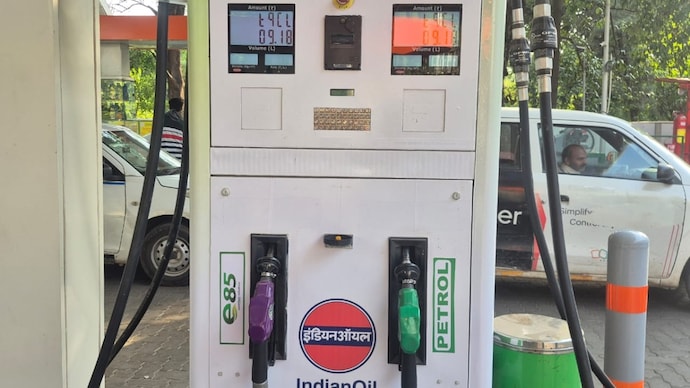
The Government of India has dismissed concerns surrounding ethanol-blended petrol, stating that no widespread cases of engine failure or vehicle breakdowns attributable to E20 fuel have been reported since its introduction.
In an official statement, the Ministry of Petroleum and Natural Gas said that the Ethanol Blended Petrol (EBP) Programme is scientifically validated and continuously monitored, while cautioning against misleading claims, old images and sensational social media content that seek to create unwarranted fears about ethanol-blended fuel.
The ministry highlighted that India's ethanol blending initiative was launched in 2003 with the objectives of reducing dependence on imported crude oil, strengthening energy security and promoting environmental sustainability. The programme has since been implemented in phases, culminating in the rollout of 20 per cent ethanol-blended petrol (E20) from 2023 onwards.
According to the government, the implementation of E20 has been undertaken only after extensive technical evaluations and consultations involving oil marketing companies, automobile manufacturers, fuel testing agencies and other stakeholders.
Addressing concerns about vehicle reliability, the ministry noted that since the introduction of E20 petrol, there have been no widespread reports of engine failures or vehicle breakdowns that can be linked directly to ethanol blending.
One of the claims currently circulating online relates to ethanol's hygroscopic nature, or its tendency to absorb moisture. The government clarified that water contamination is undesirable for any automotive fuel, regardless of whether it contains ethanol. It added that modern vehicles are equipped with design safeguards intended to prevent water ingress into fuel tanks.
The ministry also refuted videos circulating on social media that allegedly show sugarcane juice being mixed directly with petrol. It described such content as misleading and baseless, stressing that fuel-grade ethanol is produced through established industrial processes and must meet stringent quality standards before being blended with petrol.
While ethanol can be derived from feedstocks such as sugarcane juice, molasses, broken rice and maize, the final fuel-grade ethanol is significantly different from the original raw materials. The production process involves fermentation, distillation and purification stages that eliminate sugars and other impurities before blending.
The government also referred to a recent viral video showing ants near a vehicle's fuel filler area. Responding to the claims, Bharat Petroleum Corporation Limited (BPCL) clarified that fuel-grade ethanol contains no residual sugars, as these are removed during production. Additionally, fuel ethanol contains denaturants that are generally repellent to insects. BPCL stated that there is no scientific evidence linking E20 fuel with ant attraction or insect congregation around fuel caps.
Similarly, the ministry said that claims suggesting the use of E20 fuel could invalidate vehicle insurance policies were examined and found to be incorrect.
The government emphasised that ethanol blending is a globally accepted practice and is already widely used in several countries, including Brazil, the United States and Japan. Brazil, in particular, has long operated with higher ethanol blends, with E27 serving as the country's standard petrol blend.
Highlighting the programme's broader benefits, the ministry stated that ethanol blending has helped India save more than Rs 1.4 lakh crore in foreign exchange by reducing crude oil imports. It has also generated sustained demand for agricultural feedstocks used in ethanol production, benefiting farmers and supporting the rural economy.
The government reiterated that ethanol blending remains a key pillar of India's strategy to improve energy security, reduce carbon emissions and accelerate the transition towards cleaner mobility, adding that the programme will continue to be implemented in a safe, transparent and consumer-centric manner guided by scientific evidence and stakeholder engagement.
Subscribe to Auto Today Magazine
The Government of India has dismissed concerns surrounding ethanol-blended petrol, stating that no widespread cases of engine failure or vehicle breakdowns attributable to E20 fuel have been reported since its introduction.
In an official statement, the Ministry of Petroleum and Natural Gas said that the Ethanol Blended Petrol (EBP) Programme is scientifically validated and continuously monitored, while cautioning against misleading claims, old images and sensational social media content that seek to create unwarranted fears about ethanol-blended fuel.
The ministry highlighted that India's ethanol blending initiative was launched in 2003 with the objectives of reducing dependence on imported crude oil, strengthening energy security and promoting environmental sustainability. The programme has since been implemented in phases, culminating in the rollout of 20 per cent ethanol-blended petrol (E20) from 2023 onwards.
According to the government, the implementation of E20 has been undertaken only after extensive technical evaluations and consultations involving oil marketing companies, automobile manufacturers, fuel testing agencies and other stakeholders.
Addressing concerns about vehicle reliability, the ministry noted that since the introduction of E20 petrol, there have been no widespread reports of engine failures or vehicle breakdowns that can be linked directly to ethanol blending.
One of the claims currently circulating online relates to ethanol's hygroscopic nature, or its tendency to absorb moisture. The government clarified that water contamination is undesirable for any automotive fuel, regardless of whether it contains ethanol. It added that modern vehicles are equipped with design safeguards intended to prevent water ingress into fuel tanks.
The ministry also refuted videos circulating on social media that allegedly show sugarcane juice being mixed directly with petrol. It described such content as misleading and baseless, stressing that fuel-grade ethanol is produced through established industrial processes and must meet stringent quality standards before being blended with petrol.
While ethanol can be derived from feedstocks such as sugarcane juice, molasses, broken rice and maize, the final fuel-grade ethanol is significantly different from the original raw materials. The production process involves fermentation, distillation and purification stages that eliminate sugars and other impurities before blending.
The government also referred to a recent viral video showing ants near a vehicle's fuel filler area. Responding to the claims, Bharat Petroleum Corporation Limited (BPCL) clarified that fuel-grade ethanol contains no residual sugars, as these are removed during production. Additionally, fuel ethanol contains denaturants that are generally repellent to insects. BPCL stated that there is no scientific evidence linking E20 fuel with ant attraction or insect congregation around fuel caps.
Similarly, the ministry said that claims suggesting the use of E20 fuel could invalidate vehicle insurance policies were examined and found to be incorrect.
The government emphasised that ethanol blending is a globally accepted practice and is already widely used in several countries, including Brazil, the United States and Japan. Brazil, in particular, has long operated with higher ethanol blends, with E27 serving as the country's standard petrol blend.
Highlighting the programme's broader benefits, the ministry stated that ethanol blending has helped India save more than Rs 1.4 lakh crore in foreign exchange by reducing crude oil imports. It has also generated sustained demand for agricultural feedstocks used in ethanol production, benefiting farmers and supporting the rural economy.
The government reiterated that ethanol blending remains a key pillar of India's strategy to improve energy security, reduce carbon emissions and accelerate the transition towards cleaner mobility, adding that the programme will continue to be implemented in a safe, transparent and consumer-centric manner guided by scientific evidence and stakeholder engagement.
Subscribe to Auto Today Magazine

