Range Rover Velar Autobiography review, first drive: The most complete Velar experience yet?
In an era of loud luxury and digital excess, does the Velar Autobiography prove that true sophistication still lies in restraint, refinement and timeless design?
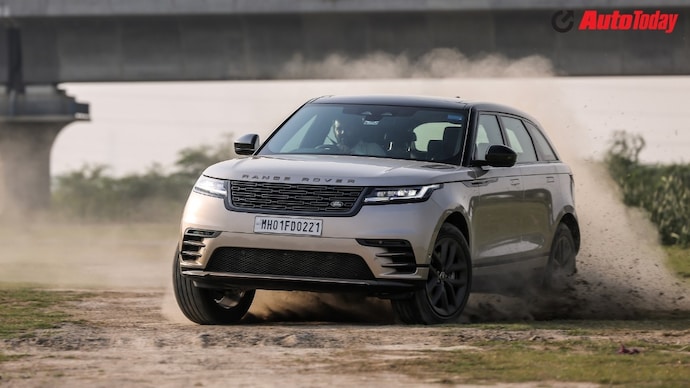
There are luxury SUVs that rely on spectacle to make an impression, and then there are Range Rovers. Vehicles that have spent decades building their identity around elegance, restraint and unmistakable presence rather than exaggerated styling or outright aggression. The Range Rover Velar has always embodied that philosophy better than most modern luxury SUVs. Even today, nearly a decade after it first appeared, the Velar still looks remarkably contemporary, and that design purity remains its greatest strength. In an era where luxury SUVs increasingly resemble oversized performance cars with giant grilles, fake vents and excessive detailing, the baby Range Rover still feels refreshingly clean. The proportions do most of the talking here. Long wheelbase, short overhangs, slim lighting elements and smooth uninterrupted surfaces give it a visual sophistication that many rivals still struggle to replicate. In many ways, the Velar feels like a scaled-down interpretation of the full-size Range Rover. The floating roofline, flush-fitting door handles, strong shoulder line and upright stance all mirror the flagship SUV’s design language.
The introduction of the Autobiography trim in 2025 gave the Velar extra depth from a features standpoint. Historically, the Autobiography badge has represented the pinnacle of luxury within the Range Rover family. It is a name associated with craftsmanship, richer materials and elevated comfort rather than aggressive styling packages or performance upgrades. On larger Range Rovers, Autobiography models have traditionally delivered the most complete ownership experience. Bringing that philosophy to the Velar, therefore, feels less like an optional trim level and more like the version the SUV should perhaps have always been. The changes themselves are meaningful rather than cosmetic. Compared to the earlier Dynamic SE trim, the Autobiography introduces electronic air suspension, 20-way electrically adjustable front seats with massage functionality, suedecloth headlining, richer Windsor leather upholstery, Terrain Response 2, a Meridian 3D surround sound system and additional luxury detailing throughout the cabin.
It also reintroduces the diesel powertrain alongside the petrol option, broadening the Velar’s appeal considerably. Combined with revised pricing thanks to the India-UK FTA, the Velar feels better positioned.
Visually, the Autobiography trim remains subtle in execution, which suits the Velar perfectly. Burnished Copper accents around the exterior, revised 20-inch 10-spoke alloy wheel designs and carefully curated finishes add sophistication without disturbing the SUV’s clean aesthetic.
Step inside and the Velar immediately delivers the sense of occasion expected from a Range Rover. The cabin remains one of the most beautifully designed interiors in the segment because it focuses on atmosphere rather than visual overload. The dashboard architecture is minimalist yet warm, with layered surfaces and clean integration replacing the button-heavy layouts still found in several rivals, which can be a downside for purists. However, material quality is impressive throughout. The Autobiography variant gets four interior trim options, out of which my favourite has to be the Deep Garnet/Ebony interior with Extended Windsor leather. There are six colour options for the exterior, and the Batumi Gold has to be the classiest one of the lot.
Technology integration is equally polished. The 11.3-inch touchscreen sits neatly within the dashboard, and the latest infotainment system feels far smoother and more intuitive than older JLR interfaces. Wireless Apple CarPlay and Android Auto, configurable ambient lighting, four-zone climate control and the excellent 12-speaker Meridian audio system all contribute to the sense of luxury.
The 12.3-inch digital instrument cluster also looks fantastic and has minimal fonts and design elements, which I love. The cabin succeeds because everything feels cohesive rather than excessive. While the minimalist design looks fantastic, the complete reliance on touchscreen controls quickly becomes irksome during everyday driving. Basic functions that ideally should have dedicated physical buttons now require interaction through menus and submenus on the screen. The interface itself is responsive enough, but there is still something fundamentally intuitive about physical controls that the Velar sacrifices in pursuit of design purity. The cabin can also feel slightly cocooned. The high window line and relatively enclosed layout reduce the sense of airiness, particularly for rear passengers.
Darker interior themes amplify that sensation further. Some buyers may appreciate the intimate, lounge-like atmosphere, but others could find it mildly claustrophobic during longer journeys. Rear seat space itself remains comfortable rather than segment-leading.
Out on the road, though, the Velar immediately reminds you why the Range Rover badge still carries so much weight. Ride quality is unquestionably one of its standout strengths, especially with the addition of electronic air suspension in the Autobiography trim. Broken tarmac, expansion joints and sharper potholes are absorbed with composure, giving the Velar a mature ride quality. At highway speeds, it settles into long-distance cruising quite well. Wind noise remains exceptionally well contained; road imperfections are filtered out cleanly, and the cabin maintains an almost isolated atmosphere.
Under the bonnet sits a 2.0-litre, four-cylinder, turbo-petrol engine producing 250bhp and 365Nm, paired to an 8-speed automatic gearbox and all-wheel drive. The P250 engine is capable of doing the 0-100kmph run in 7.5 seconds, and has a claimed top speed of 217kmph. There’s also a diesel, which is called the P300 mild-hybrid, with a lower top speed and 0-100kmph time. The diesel is also heavier than the petrol. On paper, the numbers appear perfectly respectable for this segment. In reality, though, the engine feels more adequate than exciting. Performance is smooth and refined, but there is a noticeable lack of urgency as you push harder. That becomes particularly noticeable against German rivals, many of which feel sharper and more responsive under enthusiastic driving. The Velar’s petrol engine is never unpleasant, but it lacks a distinct character.
Mid-range performance feels relaxed rather than urgent, and the overall driving experience prioritises smoothness over engagement. That being said, the handling feels well-judged and composed, rather than sharp and precise. Its strengths lie in refinement, comfort and the way it isolates occupants from the outside world. Once you understand that, the Velar makes complete sense. It is designed less around excitement and more around serenity.
Verdict
Priced at Rs 85.90 lakh (ex-showroom), which is nearly Rs 4 lakh cheaper, the Range Rover Velar Autobiography feels far more complete and convincingly positioned than before. The addition of air suspension, richer luxury features and a more premium overall experience finally give the Velar the depth its stunning design always deserved. If you want the look but not the latest tech, then the base Dynamic SE variant retails at Rs 80 lakh (ex-showroom). All in all, the way the Velar blends elegance, refinement and sheer road presence is truly commendable. It remains less about drama and more about sophisticated, understated luxury.
Subscribe to Auto Today Magazine
There are luxury SUVs that rely on spectacle to make an impression, and then there are Range Rovers. Vehicles that have spent decades building their identity around elegance, restraint and unmistakable presence rather than exaggerated styling or outright aggression. The Range Rover Velar has always embodied that philosophy better than most modern luxury SUVs. Even today, nearly a decade after it first appeared, the Velar still looks remarkably contemporary, and that design purity remains its greatest strength. In an era where luxury SUVs increasingly resemble oversized performance cars with giant grilles, fake vents and excessive detailing, the baby Range Rover still feels refreshingly clean. The proportions do most of the talking here. Long wheelbase, short overhangs, slim lighting elements and smooth uninterrupted surfaces give it a visual sophistication that many rivals still struggle to replicate. In many ways, the Velar feels like a scaled-down interpretation of the full-size Range Rover. The floating roofline, flush-fitting door handles, strong shoulder line and upright stance all mirror the flagship SUV’s design language.
The introduction of the Autobiography trim in 2025 gave the Velar extra depth from a features standpoint. Historically, the Autobiography badge has represented the pinnacle of luxury within the Range Rover family. It is a name associated with craftsmanship, richer materials and elevated comfort rather than aggressive styling packages or performance upgrades. On larger Range Rovers, Autobiography models have traditionally delivered the most complete ownership experience. Bringing that philosophy to the Velar, therefore, feels less like an optional trim level and more like the version the SUV should perhaps have always been. The changes themselves are meaningful rather than cosmetic. Compared to the earlier Dynamic SE trim, the Autobiography introduces electronic air suspension, 20-way electrically adjustable front seats with massage functionality, suedecloth headlining, richer Windsor leather upholstery, Terrain Response 2, a Meridian 3D surround sound system and additional luxury detailing throughout the cabin.
It also reintroduces the diesel powertrain alongside the petrol option, broadening the Velar’s appeal considerably. Combined with revised pricing thanks to the India-UK FTA, the Velar feels better positioned.
Visually, the Autobiography trim remains subtle in execution, which suits the Velar perfectly. Burnished Copper accents around the exterior, revised 20-inch 10-spoke alloy wheel designs and carefully curated finishes add sophistication without disturbing the SUV’s clean aesthetic.
Step inside and the Velar immediately delivers the sense of occasion expected from a Range Rover. The cabin remains one of the most beautifully designed interiors in the segment because it focuses on atmosphere rather than visual overload. The dashboard architecture is minimalist yet warm, with layered surfaces and clean integration replacing the button-heavy layouts still found in several rivals, which can be a downside for purists. However, material quality is impressive throughout. The Autobiography variant gets four interior trim options, out of which my favourite has to be the Deep Garnet/Ebony interior with Extended Windsor leather. There are six colour options for the exterior, and the Batumi Gold has to be the classiest one of the lot.
Technology integration is equally polished. The 11.3-inch touchscreen sits neatly within the dashboard, and the latest infotainment system feels far smoother and more intuitive than older JLR interfaces. Wireless Apple CarPlay and Android Auto, configurable ambient lighting, four-zone climate control and the excellent 12-speaker Meridian audio system all contribute to the sense of luxury.
The 12.3-inch digital instrument cluster also looks fantastic and has minimal fonts and design elements, which I love. The cabin succeeds because everything feels cohesive rather than excessive. While the minimalist design looks fantastic, the complete reliance on touchscreen controls quickly becomes irksome during everyday driving. Basic functions that ideally should have dedicated physical buttons now require interaction through menus and submenus on the screen. The interface itself is responsive enough, but there is still something fundamentally intuitive about physical controls that the Velar sacrifices in pursuit of design purity. The cabin can also feel slightly cocooned. The high window line and relatively enclosed layout reduce the sense of airiness, particularly for rear passengers.
Darker interior themes amplify that sensation further. Some buyers may appreciate the intimate, lounge-like atmosphere, but others could find it mildly claustrophobic during longer journeys. Rear seat space itself remains comfortable rather than segment-leading.
Out on the road, though, the Velar immediately reminds you why the Range Rover badge still carries so much weight. Ride quality is unquestionably one of its standout strengths, especially with the addition of electronic air suspension in the Autobiography trim. Broken tarmac, expansion joints and sharper potholes are absorbed with composure, giving the Velar a mature ride quality. At highway speeds, it settles into long-distance cruising quite well. Wind noise remains exceptionally well contained; road imperfections are filtered out cleanly, and the cabin maintains an almost isolated atmosphere.
Under the bonnet sits a 2.0-litre, four-cylinder, turbo-petrol engine producing 250bhp and 365Nm, paired to an 8-speed automatic gearbox and all-wheel drive. The P250 engine is capable of doing the 0-100kmph run in 7.5 seconds, and has a claimed top speed of 217kmph. There’s also a diesel, which is called the P300 mild-hybrid, with a lower top speed and 0-100kmph time. The diesel is also heavier than the petrol. On paper, the numbers appear perfectly respectable for this segment. In reality, though, the engine feels more adequate than exciting. Performance is smooth and refined, but there is a noticeable lack of urgency as you push harder. That becomes particularly noticeable against German rivals, many of which feel sharper and more responsive under enthusiastic driving. The Velar’s petrol engine is never unpleasant, but it lacks a distinct character.
Mid-range performance feels relaxed rather than urgent, and the overall driving experience prioritises smoothness over engagement. That being said, the handling feels well-judged and composed, rather than sharp and precise. Its strengths lie in refinement, comfort and the way it isolates occupants from the outside world. Once you understand that, the Velar makes complete sense. It is designed less around excitement and more around serenity.
Verdict
Priced at Rs 85.90 lakh (ex-showroom), which is nearly Rs 4 lakh cheaper, the Range Rover Velar Autobiography feels far more complete and convincingly positioned than before. The addition of air suspension, richer luxury features and a more premium overall experience finally give the Velar the depth its stunning design always deserved. If you want the look but not the latest tech, then the base Dynamic SE variant retails at Rs 80 lakh (ex-showroom). All in all, the way the Velar blends elegance, refinement and sheer road presence is truly commendable. It remains less about drama and more about sophisticated, understated luxury.
Subscribe to Auto Today Magazine

