Why the Rs 200 meal voucher tax benefit won't apply to your ITR this year
As the ITR filing season gathers pace, our 'KNOW YOUR TAXES' series explains the tax rules that matter most. In this edition, we clear up one of the biggest misconceptions doing the rounds, whether you can claim the new Rs 200 per meal voucher tax benefit while filing your ITR this year.
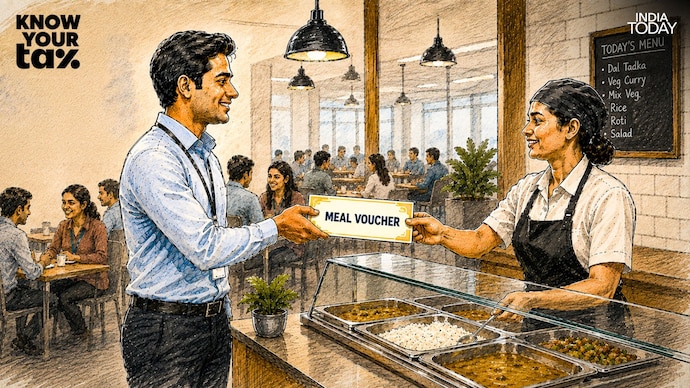
If you've heard that the tax-free limit on meal vouchers has gone up from Rs 50 to Rs 200 per meal, you might be wondering whether you can claim the higher benefit while filing your Income Tax Return (ITR) this year. After all, the change has generated plenty of buzz among salaried employees.
Well, not this time.
Although the new rules have increased the tax-free value of employer-provided meals, the higher limit does not apply to the ITRs being filed in the current season. Taxpayers filing returns for Assessment Year (AY) 2026-27, which relates to income earned during FY 2025-26, can claim only the benefit available under the old rules.
WHY THE Rs 200 LIMIT CANNOT BE CLAIMED THIS YEAR
The confusion stems from the timing of the new tax rules.
The enhanced meal voucher limit came into effect from April 1, 2026 under the new income-tax rules. That means it applies only to income earned during FY 2026-27, for which taxpayers will file their returns in AY 2027-28.
For the current filing season, which covers income earned between April 1, 2025 and March 31, 2026, the earlier rules continue to apply.
Chartered Accountant and tax expert Nishant Shanker says taxpayers should not assume the new benefit is available immediately.
"If someone is filing their ITR in AY 2026-27 (current filing season), the applicable meal voucher exemption is based on the Rs 50 per meal rule. The Rs 200 per meal benefit becomes relevant only for income earned from 1 April 2026 onwards, that is, AY 2027-28."
WHAT HAS CHANGED FROM APRIL 1, 2026?
From April 1, 2026, the tax-free perquisite value for employer-provided meals has increased sharply.
According to Shanker, the tax-free limit has risen from Rs 50 per meal to Rs 200 per meal, making meal benefits a much more valuable part of an employee's salary package.
"The tax-free perquisite limit for employer-provided meals has increased from Rs 50 to Rs 200 per meal. This is a four-fold increase and can make meal benefits a much more meaningful component of salary structuring, provided the prescribed conditions are met," he explains.
The earlier Rs 50 limit was part of the previous tax rules and has now been replaced under the new framework effective from 1 April 2026.
WILL THE BENEFIT BE AVAILABLE UNDER BOTH TAX REGIMES?
One of the biggest changes under the new rules is that the meal benefit is no longer tied to a particular tax regime.
Shanker explains that Rule 15 of the new income-tax rules does not distinguish between the old and the new tax regimes.
"Subject to the prescribed conditions being satisfied, the benefit appears available irrespective of the tax regime chosen by the employee."
However, he points out that this applies only from FY 2026-27 onwards.
For the current return filing season covering AY 2026-27, the meal voucher exemption continues to be available only to taxpayers who have opted for the old tax regime.
HOW MUCH TAX COULD EMPLOYEES SAVE?
The higher limit could significantly increase the tax-free value of employer-provided meal benefits.
Shanker explains that if an employee receives two meals a day, works 22 days a month and receives the benefit throughout the year, the tax-free meal benefit could reach Rs 1,05,600 annually.
Under the earlier Rs 50-per-meal limit, the annual benefit would have been Rs 26,400.
"Compared with the earlier Rs 26,400, the incremental benefit is Rs 79,200. For an employee taxed at around 30%, the additional tax saving could be roughly Rs 24,000 to Rs 25,000, before considering cess and the individual's exact tax position," he says.
NOT EVERY FOOD ALLOWANCE QUALIFIES
The higher exemption is not available for every food-related payment made by an employer.
According to Shanker, the benefit must satisfy specific conditions laid down in the rules.
"The benefit must be employer provided, relate to food and non-alcoholic beverages during working hours and be provided at the office or business premises or through paid vouchers usable only at eating joints. A general-purpose prepaid wallet or unrestricted cash benefit should not automatically qualify merely because it is labelled a meal allowance."
In other words, simply receiving extra money in your salary under the name of a food allowance may not make it tax-free.
EMPLOYERS MAY ALSO NEED TO UPDATE SALARY STRUCTURES
The revised rules may require employers to rethink how meal benefits are provided.
Shanker says companies may need to modify their flexible benefit plans, revise meal card limits and update payroll systems to align with the new valuation rules.
"The larger issue is ensuring that the benefit is structured and documented in line with Rule 15 rather than simply increasing a food allowance in the salary slip."
The new Rs 200 per meal tax-free limit is undoubtedly good news for salaried employees. However, it is not a benefit that can be claimed while filing your ITR this year.
If you are filing your return for AY 2026-27, your tax calculation will still be based on the Rs 50 per meal rule under the old framework. The enhanced benefit will become relevant only when you file your return for AY 2027-28, provided your employer structures the benefit in accordance with the new rules.
If you've heard that the tax-free limit on meal vouchers has gone up from Rs 50 to Rs 200 per meal, you might be wondering whether you can claim the higher benefit while filing your Income Tax Return (ITR) this year. After all, the change has generated plenty of buzz among salaried employees.
Well, not this time.
Although the new rules have increased the tax-free value of employer-provided meals, the higher limit does not apply to the ITRs being filed in the current season. Taxpayers filing returns for Assessment Year (AY) 2026-27, which relates to income earned during FY 2025-26, can claim only the benefit available under the old rules.
WHY THE Rs 200 LIMIT CANNOT BE CLAIMED THIS YEAR
The confusion stems from the timing of the new tax rules.
The enhanced meal voucher limit came into effect from April 1, 2026 under the new income-tax rules. That means it applies only to income earned during FY 2026-27, for which taxpayers will file their returns in AY 2027-28.
For the current filing season, which covers income earned between April 1, 2025 and March 31, 2026, the earlier rules continue to apply.
Chartered Accountant and tax expert Nishant Shanker says taxpayers should not assume the new benefit is available immediately.
"If someone is filing their ITR in AY 2026-27 (current filing season), the applicable meal voucher exemption is based on the Rs 50 per meal rule. The Rs 200 per meal benefit becomes relevant only for income earned from 1 April 2026 onwards, that is, AY 2027-28."
WHAT HAS CHANGED FROM APRIL 1, 2026?
From April 1, 2026, the tax-free perquisite value for employer-provided meals has increased sharply.
According to Shanker, the tax-free limit has risen from Rs 50 per meal to Rs 200 per meal, making meal benefits a much more valuable part of an employee's salary package.
"The tax-free perquisite limit for employer-provided meals has increased from Rs 50 to Rs 200 per meal. This is a four-fold increase and can make meal benefits a much more meaningful component of salary structuring, provided the prescribed conditions are met," he explains.
The earlier Rs 50 limit was part of the previous tax rules and has now been replaced under the new framework effective from 1 April 2026.
WILL THE BENEFIT BE AVAILABLE UNDER BOTH TAX REGIMES?
One of the biggest changes under the new rules is that the meal benefit is no longer tied to a particular tax regime.
Shanker explains that Rule 15 of the new income-tax rules does not distinguish between the old and the new tax regimes.
"Subject to the prescribed conditions being satisfied, the benefit appears available irrespective of the tax regime chosen by the employee."
However, he points out that this applies only from FY 2026-27 onwards.
For the current return filing season covering AY 2026-27, the meal voucher exemption continues to be available only to taxpayers who have opted for the old tax regime.
HOW MUCH TAX COULD EMPLOYEES SAVE?
The higher limit could significantly increase the tax-free value of employer-provided meal benefits.
Shanker explains that if an employee receives two meals a day, works 22 days a month and receives the benefit throughout the year, the tax-free meal benefit could reach Rs 1,05,600 annually.
Under the earlier Rs 50-per-meal limit, the annual benefit would have been Rs 26,400.
"Compared with the earlier Rs 26,400, the incremental benefit is Rs 79,200. For an employee taxed at around 30%, the additional tax saving could be roughly Rs 24,000 to Rs 25,000, before considering cess and the individual's exact tax position," he says.
NOT EVERY FOOD ALLOWANCE QUALIFIES
The higher exemption is not available for every food-related payment made by an employer.
According to Shanker, the benefit must satisfy specific conditions laid down in the rules.
"The benefit must be employer provided, relate to food and non-alcoholic beverages during working hours and be provided at the office or business premises or through paid vouchers usable only at eating joints. A general-purpose prepaid wallet or unrestricted cash benefit should not automatically qualify merely because it is labelled a meal allowance."
In other words, simply receiving extra money in your salary under the name of a food allowance may not make it tax-free.
EMPLOYERS MAY ALSO NEED TO UPDATE SALARY STRUCTURES
The revised rules may require employers to rethink how meal benefits are provided.
Shanker says companies may need to modify their flexible benefit plans, revise meal card limits and update payroll systems to align with the new valuation rules.
"The larger issue is ensuring that the benefit is structured and documented in line with Rule 15 rather than simply increasing a food allowance in the salary slip."
The new Rs 200 per meal tax-free limit is undoubtedly good news for salaried employees. However, it is not a benefit that can be claimed while filing your ITR this year.
If you are filing your return for AY 2026-27, your tax calculation will still be based on the Rs 50 per meal rule under the old framework. The enhanced benefit will become relevant only when you file your return for AY 2027-28, provided your employer structures the benefit in accordance with the new rules.
If you've heard that the tax-free limit on meal vouchers has gone up from Rs 50 to Rs 200 per meal, you might be wondering whether you can claim the higher benefit while filing your Income Tax Return (ITR) this year. After all, the change has generated plenty of buzz among salaried employees.
Well, not this time.
Although the new rules have increased the tax-free value of employer-provided meals, the higher limit does not apply to the ITRs being filed in the current season. Taxpayers filing returns for Assessment Year (AY) 2026-27, which relates to income earned during FY 2025-26, can claim only the benefit available under the old rules.
WHY THE Rs 200 LIMIT CANNOT BE CLAIMED THIS YEAR
The confusion stems from the timing of the new tax rules.
The enhanced meal voucher limit came into effect from April 1, 2026 under the new income-tax rules. That means it applies only to income earned during FY 2026-27, for which taxpayers will file their returns in AY 2027-28.
For the current filing season, which covers income earned between April 1, 2025 and March 31, 2026, the earlier rules continue to apply.
Chartered Accountant and tax expert Nishant Shanker says taxpayers should not assume the new benefit is available immediately.
"If someone is filing their ITR in AY 2026-27 (current filing season), the applicable meal voucher exemption is based on the Rs 50 per meal rule. The Rs 200 per meal benefit becomes relevant only for income earned from 1 April 2026 onwards, that is, AY 2027-28."
WHAT HAS CHANGED FROM APRIL 1, 2026?
From April 1, 2026, the tax-free perquisite value for employer-provided meals has increased sharply.
According to Shanker, the tax-free limit has risen from Rs 50 per meal to Rs 200 per meal, making meal benefits a much more valuable part of an employee's salary package.
"The tax-free perquisite limit for employer-provided meals has increased from Rs 50 to Rs 200 per meal. This is a four-fold increase and can make meal benefits a much more meaningful component of salary structuring, provided the prescribed conditions are met," he explains.
The earlier Rs 50 limit was part of the previous tax rules and has now been replaced under the new framework effective from 1 April 2026.
WILL THE BENEFIT BE AVAILABLE UNDER BOTH TAX REGIMES?
One of the biggest changes under the new rules is that the meal benefit is no longer tied to a particular tax regime.
Shanker explains that Rule 15 of the new income-tax rules does not distinguish between the old and the new tax regimes.
"Subject to the prescribed conditions being satisfied, the benefit appears available irrespective of the tax regime chosen by the employee."
However, he points out that this applies only from FY 2026-27 onwards.
For the current return filing season covering AY 2026-27, the meal voucher exemption continues to be available only to taxpayers who have opted for the old tax regime.
HOW MUCH TAX COULD EMPLOYEES SAVE?
The higher limit could significantly increase the tax-free value of employer-provided meal benefits.
Shanker explains that if an employee receives two meals a day, works 22 days a month and receives the benefit throughout the year, the tax-free meal benefit could reach Rs 1,05,600 annually.
Under the earlier Rs 50-per-meal limit, the annual benefit would have been Rs 26,400.
"Compared with the earlier Rs 26,400, the incremental benefit is Rs 79,200. For an employee taxed at around 30%, the additional tax saving could be roughly Rs 24,000 to Rs 25,000, before considering cess and the individual's exact tax position," he says.
NOT EVERY FOOD ALLOWANCE QUALIFIES
The higher exemption is not available for every food-related payment made by an employer.
According to Shanker, the benefit must satisfy specific conditions laid down in the rules.
"The benefit must be employer provided, relate to food and non-alcoholic beverages during working hours and be provided at the office or business premises or through paid vouchers usable only at eating joints. A general-purpose prepaid wallet or unrestricted cash benefit should not automatically qualify merely because it is labelled a meal allowance."
In other words, simply receiving extra money in your salary under the name of a food allowance may not make it tax-free.
EMPLOYERS MAY ALSO NEED TO UPDATE SALARY STRUCTURES
The revised rules may require employers to rethink how meal benefits are provided.
Shanker says companies may need to modify their flexible benefit plans, revise meal card limits and update payroll systems to align with the new valuation rules.
"The larger issue is ensuring that the benefit is structured and documented in line with Rule 15 rather than simply increasing a food allowance in the salary slip."
The new Rs 200 per meal tax-free limit is undoubtedly good news for salaried employees. However, it is not a benefit that can be claimed while filing your ITR this year.
If you are filing your return for AY 2026-27, your tax calculation will still be based on the Rs 50 per meal rule under the old framework. The enhanced benefit will become relevant only when you file your return for AY 2027-28, provided your employer structures the benefit in accordance with the new rules.

