8th Pay Commission: Memorandum deadline ends. What have unions asked for?
The deadline for 8th Pay Commission proposals has ended, bringing employee and pensioner demands before the panel. The next phase will test which calls on salary, DA, fitment and pensions shape the final recommendations.
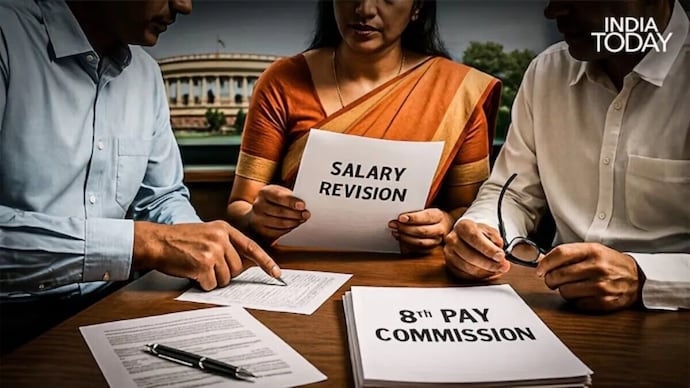
The first major phase of the 8th Pay Commission process has now concluded. With the June 15 deadline for submission of memorandums and proposals coming to an end, the focus will now shift from what employees and pensioners want to what the Commission ultimately accepts, modifies or rejects in its recommendations.
The proposals submitted by major employee bodies have laid out some of the biggest expectations from the 8th Pay Commission: a higher minimum basic salary, a revised fitment factor, merger of Dearness Allowance (DA) with basic pay, changes in the decades-old family-unit formula and stronger pension protections under the OPS, NPS and UPS debate.
The Commission had earlier clarified that June 15 would be the final deadline for online submissions and that no further extension would be granted. It had also stated that hard copies, emails and PDF versions of memorandums would not be considered.
HIGHER MINIMUM BASIC PAY IN 8TH PAY COMMISSION?
Perhaps the biggest battle before the 8th Pay Commission is over how the minimum salary of a government employee should be calculated.
Employee bodies have argued that the existing method, based on older consumption patterns, no longer reflects the financial realities of modern households.
In its memorandum to the Commission, the All India NPS Employees Federation (AINPSEF) said the current wage calculation framework “does not reflect the realities of contemporary family needs”.
The federation argued that a government employee today has to spend on healthcare, quality education, housing, digital connectivity, transportation and the care of ageing parents — expenses that were either absent or significantly lower when older wage formulas were designed.
AINPSEF has also demanded that the existing three-family-unit formula be revised to five family units, saying the current method fails to account for the actual dependency burden of a modern employee.
The federation stated in its memorandum that “the existing three consumption units no longer represent the actual dependency burden of a government employee in present social conditions.”
WHY ARE UNIONS QUESTIONING THE FOOD-COST AND CALORIE FORMULA?
The demand for higher minimum basic pay is closely linked to the way minimum wages have traditionally been calculated.
Earlier Pay Commissions relied on a formula based on food requirements, including a 3,490-calorie norm for a standard family, along with clothing, housing and other essential expenses.
However, employee bodies have argued that while food remains an important component, modern household expenditure has changed significantly.
AINPSEF argued that salary calculations should consider present-day realities, including rising spending on education, healthcare, technology, communication and transportation, and should be aligned with current nutritional and living standards.
WHY ARE EMPLOYEES DEMANDING A HIGHER FITMENT FACTOR?
The fitment factor — the multiplier used to revise existing basic pay under a new Pay Commission — has emerged as one of the most debated issues.
Some employee organisations have sought a fitment factor of 3.83, arguing that the 7th Pay Commission fitment factor of 2.57 is no longer adequate considering inflation and the rise in the cost of living.
The Indian Railway Technical Supervisors’ Association (IRTSA), however, has proposed a different approach. In its memorandum, it argued that a single fitment factor may not address disparities across different pay levels and suggested separate fitment factors for different categories of employees to tackle what it described as “pay compression”.
WHY DO EMPLOYEE BODIES WANT DA TO BE MERGED WITH BASIC PAY?
Another major demand is the merger of Dearness Allowance with basic salary before the new pay structure is implemented.
DA, which is meant to compensate employees for rising inflation, has increased significantly over the years and currently stands at 60%.
The National Council-Joint Consultative Machinery (NC-JCM) argued in its memorandum that the impact of accumulated inflation should be recognised in the revised pay structure and that employees should not lose the benefit of DA while moving to a new pay matrix.
The demand is also linked to the broader argument that rising prices have reduced the real purchasing power of government salaries.
WHAT ARE THE DEMANDS ON OPS, NPS AND UPS?
Pension reform has emerged as another major area of debate before the 8th Pay Commission.
The All India NPS Employees Federation (AINPSEF) has continued its demand for restoration of the Old Pension Scheme (OPS), arguing that retirement income should provide certainty and should not depend solely on market-linked returns under the National Pension System (NPS).
Other employee groups have also raised concerns over retirement security and sought stronger safeguards under the pension framework, including discussions around the Unified Pension Scheme (UPS).
WHAT HAPPENS NEXT IN THE 8TH PAY COMMISSION PROCESS?
With the proposal stage now over, the Commission will move into a more detailed examination of the demands submitted by employee organisations, pensioner groups and other stakeholders.
The Commission will continue consultations with different organisations, including its scheduled meetings in Kolkata, where Central government institutions, unions and associations will present their views.
For lakhs of Central government employees and pensioners, the next phase of the 8th Pay Commission will be crucial. The demands have now been placed before the panel — the next big question is which of them will find a place in the final recommendations.
The first major phase of the 8th Pay Commission process has now concluded. With the June 15 deadline for submission of memorandums and proposals coming to an end, the focus will now shift from what employees and pensioners want to what the Commission ultimately accepts, modifies or rejects in its recommendations.
The proposals submitted by major employee bodies have laid out some of the biggest expectations from the 8th Pay Commission: a higher minimum basic salary, a revised fitment factor, merger of Dearness Allowance (DA) with basic pay, changes in the decades-old family-unit formula and stronger pension protections under the OPS, NPS and UPS debate.
The Commission had earlier clarified that June 15 would be the final deadline for online submissions and that no further extension would be granted. It had also stated that hard copies, emails and PDF versions of memorandums would not be considered.
HIGHER MINIMUM BASIC PAY IN 8TH PAY COMMISSION?
Perhaps the biggest battle before the 8th Pay Commission is over how the minimum salary of a government employee should be calculated.
Employee bodies have argued that the existing method, based on older consumption patterns, no longer reflects the financial realities of modern households.
In its memorandum to the Commission, the All India NPS Employees Federation (AINPSEF) said the current wage calculation framework “does not reflect the realities of contemporary family needs”.
The federation argued that a government employee today has to spend on healthcare, quality education, housing, digital connectivity, transportation and the care of ageing parents — expenses that were either absent or significantly lower when older wage formulas were designed.
AINPSEF has also demanded that the existing three-family-unit formula be revised to five family units, saying the current method fails to account for the actual dependency burden of a modern employee.
The federation stated in its memorandum that “the existing three consumption units no longer represent the actual dependency burden of a government employee in present social conditions.”
WHY ARE UNIONS QUESTIONING THE FOOD-COST AND CALORIE FORMULA?
The demand for higher minimum basic pay is closely linked to the way minimum wages have traditionally been calculated.
Earlier Pay Commissions relied on a formula based on food requirements, including a 3,490-calorie norm for a standard family, along with clothing, housing and other essential expenses.
However, employee bodies have argued that while food remains an important component, modern household expenditure has changed significantly.
AINPSEF argued that salary calculations should consider present-day realities, including rising spending on education, healthcare, technology, communication and transportation, and should be aligned with current nutritional and living standards.
WHY ARE EMPLOYEES DEMANDING A HIGHER FITMENT FACTOR?
The fitment factor — the multiplier used to revise existing basic pay under a new Pay Commission — has emerged as one of the most debated issues.
Some employee organisations have sought a fitment factor of 3.83, arguing that the 7th Pay Commission fitment factor of 2.57 is no longer adequate considering inflation and the rise in the cost of living.
The Indian Railway Technical Supervisors’ Association (IRTSA), however, has proposed a different approach. In its memorandum, it argued that a single fitment factor may not address disparities across different pay levels and suggested separate fitment factors for different categories of employees to tackle what it described as “pay compression”.
WHY DO EMPLOYEE BODIES WANT DA TO BE MERGED WITH BASIC PAY?
Another major demand is the merger of Dearness Allowance with basic salary before the new pay structure is implemented.
DA, which is meant to compensate employees for rising inflation, has increased significantly over the years and currently stands at 60%.
The National Council-Joint Consultative Machinery (NC-JCM) argued in its memorandum that the impact of accumulated inflation should be recognised in the revised pay structure and that employees should not lose the benefit of DA while moving to a new pay matrix.
The demand is also linked to the broader argument that rising prices have reduced the real purchasing power of government salaries.
WHAT ARE THE DEMANDS ON OPS, NPS AND UPS?
Pension reform has emerged as another major area of debate before the 8th Pay Commission.
The All India NPS Employees Federation (AINPSEF) has continued its demand for restoration of the Old Pension Scheme (OPS), arguing that retirement income should provide certainty and should not depend solely on market-linked returns under the National Pension System (NPS).
Other employee groups have also raised concerns over retirement security and sought stronger safeguards under the pension framework, including discussions around the Unified Pension Scheme (UPS).
WHAT HAPPENS NEXT IN THE 8TH PAY COMMISSION PROCESS?
With the proposal stage now over, the Commission will move into a more detailed examination of the demands submitted by employee organisations, pensioner groups and other stakeholders.
The Commission will continue consultations with different organisations, including its scheduled meetings in Kolkata, where Central government institutions, unions and associations will present their views.
For lakhs of Central government employees and pensioners, the next phase of the 8th Pay Commission will be crucial. The demands have now been placed before the panel — the next big question is which of them will find a place in the final recommendations.

