Why crude oil, monsoon and fertiliser prices are worrying the government
Nirmala Sitharaman said India faces risks from crude oil, foreign exchange, fertiliser prices and weaker rainfall. She said the government has kept buffer stocks ready as import and supply pressures persist.
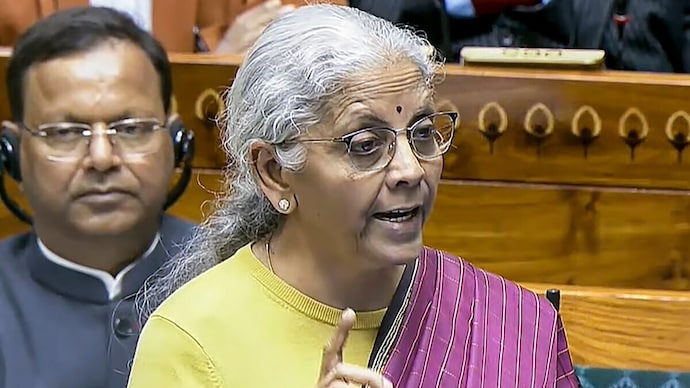
India is facing a fresh set of economic challenges, with uncertainty over crude oil prices, foreign exchange movements, rising fertiliser costs and the possibility of a weaker monsoon creating pressure on the country's outlook, Finance Minister Nirmala Sitharaman said on Monday.
Speaking on the challenges facing the economy, Sitharaman said the government was preparing for a less favourable rainfall season and had maintained sufficient buffer stocks to handle any possible disruption in food supplies.
"India faces challenge of uncertainty over prices of foreign exchange, crude oil, besides shortfall of rains this year," the finance minister said.
She added, "Government preparing for a not so good monsoon scenario, adequate buffer stocks maintained."
WHY CRUDE OIL REMAINS A BIG CONCERN
India, the world's third-largest importer and consumer of crude oil, is highly vulnerable to swings in global energy prices. Although the crude oil prices have come down after the peace deal between Iran and the US, they still pose a risk to India's economy.
Sitharaman said the challenge is no longer limited to crude oil prices alone. Rising geopolitical tensions and disruptions in global trade routes have increased the cost of transporting energy.
"Beyond crude, soaring insurance and shipping risks are making oil procurement expensive," she said.
Higher oil import costs can put pressure on India's trade balance, inflation and government finances, particularly at a time when global energy markets remain volatile.
IMPORTS AND RAW MATERIAL COSTS UNDER PRESSURE
The finance minister also highlighted pressure on imports and raw material supplies due to changing global market conditions.
"Imports of raw materials under severe strain," Sitharaman said, pointing to challenges caused by disruptions in commodity markets and logistics chains.
Higher raw material costs can affect manufacturing expenses and create pressure on prices across industries.
FERTILISER PRICE VOLATILITY A CONCERN
Apart from energy, the government is also watching fluctuations in fertiliser prices closely.
"Increased fluctuation in fertilizer prices a challenge for India," Sitharaman said.
A rise in fertiliser prices could increase the government's subsidy burden and affect the agriculture sector, especially at a time when concerns over below-normal rainfall are adding uncertainty to the upcoming crop season.
GOVERNMENT PREPARES FOR MONSOON RISKS
With concerns over rainfall this year, the Centre said it is preparing for a weaker monsoon scenario.
The government has maintained adequate buffer stocks to manage any potential impact on food supplies and reduce the risk of shortages.
The comments from the finance minister underline the multiple global and domestic challenges facing India's economy, ranging from volatile commodity prices and supply-chain disruptions to weather-related risks.
India is facing a fresh set of economic challenges, with uncertainty over crude oil prices, foreign exchange movements, rising fertiliser costs and the possibility of a weaker monsoon creating pressure on the country's outlook, Finance Minister Nirmala Sitharaman said on Monday.
Speaking on the challenges facing the economy, Sitharaman said the government was preparing for a less favourable rainfall season and had maintained sufficient buffer stocks to handle any possible disruption in food supplies.
"India faces challenge of uncertainty over prices of foreign exchange, crude oil, besides shortfall of rains this year," the finance minister said.
She added, "Government preparing for a not so good monsoon scenario, adequate buffer stocks maintained."
WHY CRUDE OIL REMAINS A BIG CONCERN
India, the world's third-largest importer and consumer of crude oil, is highly vulnerable to swings in global energy prices. Although the crude oil prices have come down after the peace deal between Iran and the US, they still pose a risk to India's economy.
Sitharaman said the challenge is no longer limited to crude oil prices alone. Rising geopolitical tensions and disruptions in global trade routes have increased the cost of transporting energy.
"Beyond crude, soaring insurance and shipping risks are making oil procurement expensive," she said.
Higher oil import costs can put pressure on India's trade balance, inflation and government finances, particularly at a time when global energy markets remain volatile.
IMPORTS AND RAW MATERIAL COSTS UNDER PRESSURE
The finance minister also highlighted pressure on imports and raw material supplies due to changing global market conditions.
"Imports of raw materials under severe strain," Sitharaman said, pointing to challenges caused by disruptions in commodity markets and logistics chains.
Higher raw material costs can affect manufacturing expenses and create pressure on prices across industries.
FERTILISER PRICE VOLATILITY A CONCERN
Apart from energy, the government is also watching fluctuations in fertiliser prices closely.
"Increased fluctuation in fertilizer prices a challenge for India," Sitharaman said.
A rise in fertiliser prices could increase the government's subsidy burden and affect the agriculture sector, especially at a time when concerns over below-normal rainfall are adding uncertainty to the upcoming crop season.
GOVERNMENT PREPARES FOR MONSOON RISKS
With concerns over rainfall this year, the Centre said it is preparing for a weaker monsoon scenario.
The government has maintained adequate buffer stocks to manage any potential impact on food supplies and reduce the risk of shortages.
The comments from the finance minister underline the multiple global and domestic challenges facing India's economy, ranging from volatile commodity prices and supply-chain disruptions to weather-related risks.

