Bedridden, but asked to visit bank for re-KYC? Why this keeps happening in India
Many customers complain that despite digital infrastructure existing on paper, some branches still insist on physical presence, hard-copy paperwork, or repeated document submissions.
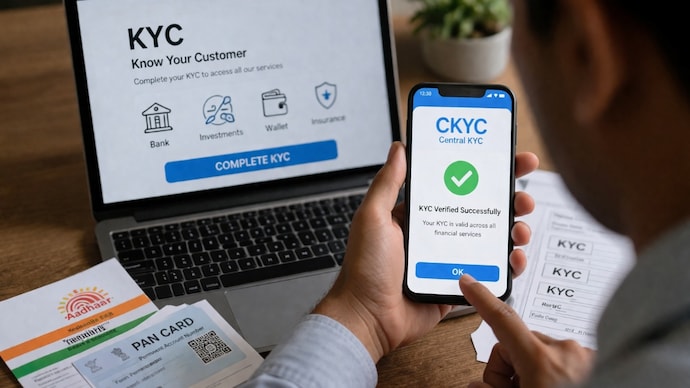
KYC became an unexpected problem for a man battling serious health issues after his family struggled to access his bank accounts because re-KYC had not been completed in person.
Entrepreneur Saurabh Jain recently claimed in a social media post that his uncle, who was bedridden and later put on ventilator support, had all his savings locked in PSU bank fixed deposits and accounts that were allegedly sealed due to pending re-KYC.
According to the post, the family requested the bank to take a “humane view” because the account holder was unable to physically visit the branch. However, they were allegedly told that unless he came in person, the accounts could not be reopened.
The issue was later resolved but the incident has once again highlighted a much larger problem around repeated KYC and re-KYC demands that many Indians continue to face despite the country’s growing digital banking infrastructure.
IndiaToday.in had earlier reported on how customers across banks, mutual funds and financial platforms continue facing repeated KYC requests despite systems like Aadhaar-based e-KYC, CKYC, DigiLocker and video verification being in place.
For many families, especially those dealing with medical emergencies or elderly relatives, the issue is no longer just about paperwork. It is about whether people can easily access their own savings during times of need.
INDIA HAS DIGITAL KYC SYSTEMS. SO WHY THE PROBLEM?
India today has,
- Aadhaar-based e-KYC
- Video KYC
- DigiLocker
- and CKYC (Central KYC Registry)
The CKYC system was originally designed to reduce duplication and make KYC a one-time process across financial institutions.
Yet many customers continue receiving repeated requests from banks, insurers, mutual funds and brokers asking them to update documents, visit branches, or complete re-verification processes.
In April this year, India Today had reported on the growing frustration around repeated KYC demands despite the presence of centralised systems meant to simplify verification.
The latest PSU bank case has now added a stronger human angle to the issue.
WHY BANKS ASK FOR RE-KYC
Banks are legally required under RBI and anti-money laundering rules to periodically update customer details.
The process is meant to prevent fraud, track suspicious transactions, and ensure customer information remains updated.
For high-risk accounts, periodic verification is mandatory.
However, consumer rights advocates and banking experts say the problem often lies not in the rules themselves, but in how they are implemented at branch level.
Many customers complain that despite digital infrastructure existing on paper, some branches still insist on physical presence, hard-copy paperwork, or repeated document submissions.
This becomes especially difficult for:
- senior citizens,
- bedridden patients,
- people living abroad,
- and families facing medical emergencies.
WHY DOES SOCIAL MEDIA HELP FASTER THAN SYSTEMS?
The latest case has also triggered debate around whether customers receive faster resolution only after issues go viral online.
Many users on social media pointed out that India’s banking system has become highly digital for transactions, but not always equally flexible when it comes to customer service during emergencies.
The contradiction is striking.
India has one of the world’s largest digital public infrastructure systems with:
- Aadhaar,
- UPI,
- DigiLocker,
- Video KYC,
- and CKYC.
Yet families still sometimes struggle to access savings if a customer cannot physically visit a branch.
WHAT RBI RULES SAY
The RBI has, in previous circulars, allowed banks to use:
- video-based customer identification,
- digital verification,
- and simplified KYC updation methods in some situations.
Banks are also allowed to use customer declarations and alternative procedures for certain low-risk customers.
However, implementation often differs from one branch to another.
In many cases, customers say frontline staff continue following stricter physical verification practices to avoid compliance risks.
WHY THIS ISSUE MATTERS
For many middle-class and elderly Indians, bank fixed deposits represent:
- retirement savings,
- emergency medical funds,
- or lifetime savings.
Any restriction on access during emergencies can create serious financial and emotional stress for families.
The issue also raises larger questions about whether India’s banking system has become too compliance-heavy without enough flexibility for genuine hardship cases.
Experts say banks must balance fraud prevention, regulatory compliance, and customer sensitivity.
COULD THE SYSTEM IMPROVE?
Banking experts say several steps could reduce such situations:
- wider acceptance of video re-KYC,
- doorstep verification for senior citizens,
- uniform rules across branches,
- and better integration of CKYC systems.
The government has also been pushing for stronger digital integration through CKYC 2.0 and DigiLocker-linked systems.
But for many customers, the experience on the ground still feels very different from the promise of “one-time KYC”.
The latest incident may have been resolved, but it has reopened a broader conversation around whether India’s banking compliance systems are becoming too difficult for ordinary people during times of genuine need.
KYC became an unexpected problem for a man battling serious health issues after his family struggled to access his bank accounts because re-KYC had not been completed in person.
Entrepreneur Saurabh Jain recently claimed in a social media post that his uncle, who was bedridden and later put on ventilator support, had all his savings locked in PSU bank fixed deposits and accounts that were allegedly sealed due to pending re-KYC.
According to the post, the family requested the bank to take a “humane view” because the account holder was unable to physically visit the branch. However, they were allegedly told that unless he came in person, the accounts could not be reopened.
The issue was later resolved but the incident has once again highlighted a much larger problem around repeated KYC and re-KYC demands that many Indians continue to face despite the country’s growing digital banking infrastructure.
IndiaToday.in had earlier reported on how customers across banks, mutual funds and financial platforms continue facing repeated KYC requests despite systems like Aadhaar-based e-KYC, CKYC, DigiLocker and video verification being in place.
For many families, especially those dealing with medical emergencies or elderly relatives, the issue is no longer just about paperwork. It is about whether people can easily access their own savings during times of need.
INDIA HAS DIGITAL KYC SYSTEMS. SO WHY THE PROBLEM?
India today has,
- Aadhaar-based e-KYC
- Video KYC
- DigiLocker
- and CKYC (Central KYC Registry)
The CKYC system was originally designed to reduce duplication and make KYC a one-time process across financial institutions.
Yet many customers continue receiving repeated requests from banks, insurers, mutual funds and brokers asking them to update documents, visit branches, or complete re-verification processes.
In April this year, India Today had reported on the growing frustration around repeated KYC demands despite the presence of centralised systems meant to simplify verification.
The latest PSU bank case has now added a stronger human angle to the issue.
WHY BANKS ASK FOR RE-KYC
Banks are legally required under RBI and anti-money laundering rules to periodically update customer details.
The process is meant to prevent fraud, track suspicious transactions, and ensure customer information remains updated.
For high-risk accounts, periodic verification is mandatory.
However, consumer rights advocates and banking experts say the problem often lies not in the rules themselves, but in how they are implemented at branch level.
Many customers complain that despite digital infrastructure existing on paper, some branches still insist on physical presence, hard-copy paperwork, or repeated document submissions.
This becomes especially difficult for:
- senior citizens,
- bedridden patients,
- people living abroad,
- and families facing medical emergencies.
WHY DOES SOCIAL MEDIA HELP FASTER THAN SYSTEMS?
The latest case has also triggered debate around whether customers receive faster resolution only after issues go viral online.
Many users on social media pointed out that India’s banking system has become highly digital for transactions, but not always equally flexible when it comes to customer service during emergencies.
The contradiction is striking.
India has one of the world’s largest digital public infrastructure systems with:
- Aadhaar,
- UPI,
- DigiLocker,
- Video KYC,
- and CKYC.
Yet families still sometimes struggle to access savings if a customer cannot physically visit a branch.
WHAT RBI RULES SAY
The RBI has, in previous circulars, allowed banks to use:
- video-based customer identification,
- digital verification,
- and simplified KYC updation methods in some situations.
Banks are also allowed to use customer declarations and alternative procedures for certain low-risk customers.
However, implementation often differs from one branch to another.
In many cases, customers say frontline staff continue following stricter physical verification practices to avoid compliance risks.
WHY THIS ISSUE MATTERS
For many middle-class and elderly Indians, bank fixed deposits represent:
- retirement savings,
- emergency medical funds,
- or lifetime savings.
Any restriction on access during emergencies can create serious financial and emotional stress for families.
The issue also raises larger questions about whether India’s banking system has become too compliance-heavy without enough flexibility for genuine hardship cases.
Experts say banks must balance fraud prevention, regulatory compliance, and customer sensitivity.
COULD THE SYSTEM IMPROVE?
Banking experts say several steps could reduce such situations:
- wider acceptance of video re-KYC,
- doorstep verification for senior citizens,
- uniform rules across branches,
- and better integration of CKYC systems.
The government has also been pushing for stronger digital integration through CKYC 2.0 and DigiLocker-linked systems.
But for many customers, the experience on the ground still feels very different from the promise of “one-time KYC”.
The latest incident may have been resolved, but it has reopened a broader conversation around whether India’s banking compliance systems are becoming too difficult for ordinary people during times of genuine need.

