Why are farmers protesting against a trade deal that India hasn't even signed yet?
While farmer unions have paused their next move after Haryana assured talks with the Centre and the release of detained leaders, they remain firm in opposing the proposed India-US trade deal.
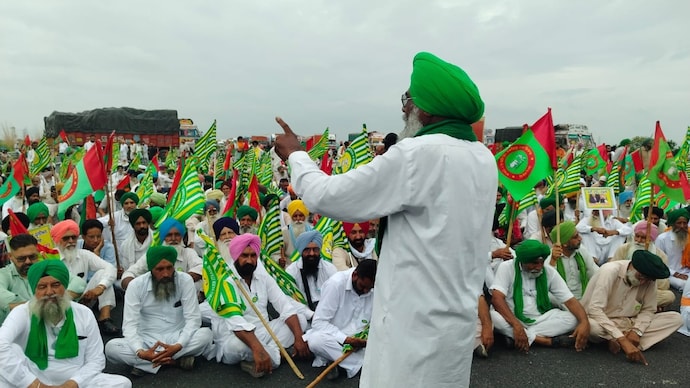
Farmer unions on Monday said they would decide their next course of action after the Haryana government agreed to facilitate talks with the Centre and assured the release of detained farmer leaders. The development comes amid protests against the proposed India-US trade deal, which farmer organisations fear could adversely affect India's agriculture sector if it opens the market to cheaper American farm products.
Farmer leader Sarwan Singh Pandher said the Haryana government had agreed to arrange a meeting with Union Agriculture Minister Shivraj Singh Chouhan within eight to 10 days. He also said officials assured the release of detained farmer leaders Gurnam Singh Chaduni and BM Singh after consulting the Chief Minister.
Pandher said farmer unions would decide whether to continue their sit-in or chart the next course of the agitation after the detained leaders are released and the proposed meeting with the Centre takes place.
The Centre, however, has maintained that it will not compromise on India's agricultural interests and that sensitive farm products have been kept out of the negotiations.
So why are farmers protesting against a trade deal that is still under negotiation? Here's a look at both sides of the debate.
WHY ARE FARMERS PROTESTING?
Farmer organisations, including the Kisan Mazdoor Morcha, argue that allowing cheaper agricultural imports from the US could severely impact Indian farmers, agricultural labourers, livestock rearers and small traders.
They fear highly subsidised American agricultural products could flood the Indian market, driving down domestic crop prices and hurting rural incomes. Their concern is that Indian farmers, who receive far lower government support than their US counterparts, would struggle to compete.
According to the protesting unions, the proposed agreement could eventually extend beyond a few agricultural commodities to cover dairy, industry, digital trade, e-commerce, government procurement, intellectual property rights and services.
The unions have urged the Centre to scrap the proposed India-US trade agreement and protect the interests of farmers and ordinary citizens.
Opposition to the deal has been building over the past few months. Farmer groups in Punjab have organised motorcycle rallies, while thousands of farmers across the country last month burnt symbolic copies of the proposed trade agreement, alleging it would weaken India's farm sector.
WHY HAS THE DEAL NOT BEEN SIGNED YET?
Despite months of negotiations, India and the United States have not been able to finalise even an interim trade agreement.
According to news agency Reuters, the latest round of talks ended without a consensus after the US did not provide assurances on some of India's key demands. These include preferential tariff treatment compared with competitors such as China and guarantees that Washington would not impose fresh tariffs after the agreement is signed.
Reuters also reported that New Delhi has refused to compromise on agriculture during the negotiations.
"Our position is clear – we don't intend to rush into a deal that is not on favourable terms or compromise on red lines like ceding ground on agriculture," an Indian government official familiar with the negotiations told Reuters.
Commerce and Industry Minister Piyush Goyal has also reiterated that India will sign an agreement only if it is balanced and beneficial for both countries.
"I had fantastic meetings with USTR Jamieson Greer when he visited Delhi in June. Both sides reaffirmed their commitment to an agreement that is balanced, commercially meaningful, and delivers tangible benefits for businesses, farmers, workers and consumers in both countries," Goyal said on Monday, according to Reuters.
Trade Secretary Rajesh Agrawal also said the framework for the agreement is ready and will be signed "whenever it is the right time", indicating that negotiations are continuing.
WHAT HAS THE GOVERNMENT SAID?
The Union government has repeatedly sought to reassure farmers that sensitive agricultural products are being protected during the negotiations.
Officials have maintained that India will not sacrifice its core agricultural interests to conclude the trade agreement. The government has also stressed that safeguards will be built into any final pact to protect domestic farmers.
Commerce Minister Piyush Goyal has previously said India will not implement any agreement unless it ensures advantages for the country and its stakeholders.
The government's position has been that the proposed deal should create opportunities for businesses, farmers, workers and consumers without compromising India's key interests.
WHAT ARE THE MAIN DEMANDS OF THE FARMERS?
Farmer unions say their protest is aimed at preventing any concessions on agriculture before the agreement is finalised.
They argue that once market access is granted, it would be difficult to reverse the decision, making it necessary to voice their concerns while negotiations are still underway.
The protest also reflects farmers' demands for greater transparency in the negotiations and assurances that agriculture and allied sectors remain protected.
As India and the US continue negotiations, agriculture remains one of the biggest sticking points. While the government insists it will not cross its "red lines", farmer organisations want those assurances reflected in the final agreement before any deal is signed.
Farmer unions on Monday said they would decide their next course of action after the Haryana government agreed to facilitate talks with the Centre and assured the release of detained farmer leaders. The development comes amid protests against the proposed India-US trade deal, which farmer organisations fear could adversely affect India's agriculture sector if it opens the market to cheaper American farm products.
Farmer leader Sarwan Singh Pandher said the Haryana government had agreed to arrange a meeting with Union Agriculture Minister Shivraj Singh Chouhan within eight to 10 days. He also said officials assured the release of detained farmer leaders Gurnam Singh Chaduni and BM Singh after consulting the Chief Minister.
Pandher said farmer unions would decide whether to continue their sit-in or chart the next course of the agitation after the detained leaders are released and the proposed meeting with the Centre takes place.
The Centre, however, has maintained that it will not compromise on India's agricultural interests and that sensitive farm products have been kept out of the negotiations.
So why are farmers protesting against a trade deal that is still under negotiation? Here's a look at both sides of the debate.
WHY ARE FARMERS PROTESTING?
Farmer organisations, including the Kisan Mazdoor Morcha, argue that allowing cheaper agricultural imports from the US could severely impact Indian farmers, agricultural labourers, livestock rearers and small traders.
They fear highly subsidised American agricultural products could flood the Indian market, driving down domestic crop prices and hurting rural incomes. Their concern is that Indian farmers, who receive far lower government support than their US counterparts, would struggle to compete.
According to the protesting unions, the proposed agreement could eventually extend beyond a few agricultural commodities to cover dairy, industry, digital trade, e-commerce, government procurement, intellectual property rights and services.
The unions have urged the Centre to scrap the proposed India-US trade agreement and protect the interests of farmers and ordinary citizens.
Opposition to the deal has been building over the past few months. Farmer groups in Punjab have organised motorcycle rallies, while thousands of farmers across the country last month burnt symbolic copies of the proposed trade agreement, alleging it would weaken India's farm sector.
WHY HAS THE DEAL NOT BEEN SIGNED YET?
Despite months of negotiations, India and the United States have not been able to finalise even an interim trade agreement.
According to news agency Reuters, the latest round of talks ended without a consensus after the US did not provide assurances on some of India's key demands. These include preferential tariff treatment compared with competitors such as China and guarantees that Washington would not impose fresh tariffs after the agreement is signed.
Reuters also reported that New Delhi has refused to compromise on agriculture during the negotiations.
"Our position is clear – we don't intend to rush into a deal that is not on favourable terms or compromise on red lines like ceding ground on agriculture," an Indian government official familiar with the negotiations told Reuters.
Commerce and Industry Minister Piyush Goyal has also reiterated that India will sign an agreement only if it is balanced and beneficial for both countries.
"I had fantastic meetings with USTR Jamieson Greer when he visited Delhi in June. Both sides reaffirmed their commitment to an agreement that is balanced, commercially meaningful, and delivers tangible benefits for businesses, farmers, workers and consumers in both countries," Goyal said on Monday, according to Reuters.
Trade Secretary Rajesh Agrawal also said the framework for the agreement is ready and will be signed "whenever it is the right time", indicating that negotiations are continuing.
WHAT HAS THE GOVERNMENT SAID?
The Union government has repeatedly sought to reassure farmers that sensitive agricultural products are being protected during the negotiations.
Officials have maintained that India will not sacrifice its core agricultural interests to conclude the trade agreement. The government has also stressed that safeguards will be built into any final pact to protect domestic farmers.
Commerce Minister Piyush Goyal has previously said India will not implement any agreement unless it ensures advantages for the country and its stakeholders.
The government's position has been that the proposed deal should create opportunities for businesses, farmers, workers and consumers without compromising India's key interests.
WHAT ARE THE MAIN DEMANDS OF THE FARMERS?
Farmer unions say their protest is aimed at preventing any concessions on agriculture before the agreement is finalised.
They argue that once market access is granted, it would be difficult to reverse the decision, making it necessary to voice their concerns while negotiations are still underway.
The protest also reflects farmers' demands for greater transparency in the negotiations and assurances that agriculture and allied sectors remain protected.
As India and the US continue negotiations, agriculture remains one of the biggest sticking points. While the government insists it will not cross its "red lines", farmer organisations want those assurances reflected in the final agreement before any deal is signed.
Farmer unions on Monday said they would decide their next course of action after the Haryana government agreed to facilitate talks with the Centre and assured the release of detained farmer leaders. The development comes amid protests against the proposed India-US trade deal, which farmer organisations fear could adversely affect India's agriculture sector if it opens the market to cheaper American farm products.
Farmer leader Sarwan Singh Pandher said the Haryana government had agreed to arrange a meeting with Union Agriculture Minister Shivraj Singh Chouhan within eight to 10 days. He also said officials assured the release of detained farmer leaders Gurnam Singh Chaduni and BM Singh after consulting the Chief Minister.
Pandher said farmer unions would decide whether to continue their sit-in or chart the next course of the agitation after the detained leaders are released and the proposed meeting with the Centre takes place.
The Centre, however, has maintained that it will not compromise on India's agricultural interests and that sensitive farm products have been kept out of the negotiations.
So why are farmers protesting against a trade deal that is still under negotiation? Here's a look at both sides of the debate.
WHY ARE FARMERS PROTESTING?
Farmer organisations, including the Kisan Mazdoor Morcha, argue that allowing cheaper agricultural imports from the US could severely impact Indian farmers, agricultural labourers, livestock rearers and small traders.
They fear highly subsidised American agricultural products could flood the Indian market, driving down domestic crop prices and hurting rural incomes. Their concern is that Indian farmers, who receive far lower government support than their US counterparts, would struggle to compete.
According to the protesting unions, the proposed agreement could eventually extend beyond a few agricultural commodities to cover dairy, industry, digital trade, e-commerce, government procurement, intellectual property rights and services.
The unions have urged the Centre to scrap the proposed India-US trade agreement and protect the interests of farmers and ordinary citizens.
Opposition to the deal has been building over the past few months. Farmer groups in Punjab have organised motorcycle rallies, while thousands of farmers across the country last month burnt symbolic copies of the proposed trade agreement, alleging it would weaken India's farm sector.
WHY HAS THE DEAL NOT BEEN SIGNED YET?
Despite months of negotiations, India and the United States have not been able to finalise even an interim trade agreement.
According to news agency Reuters, the latest round of talks ended without a consensus after the US did not provide assurances on some of India's key demands. These include preferential tariff treatment compared with competitors such as China and guarantees that Washington would not impose fresh tariffs after the agreement is signed.
Reuters also reported that New Delhi has refused to compromise on agriculture during the negotiations.
"Our position is clear – we don't intend to rush into a deal that is not on favourable terms or compromise on red lines like ceding ground on agriculture," an Indian government official familiar with the negotiations told Reuters.
Commerce and Industry Minister Piyush Goyal has also reiterated that India will sign an agreement only if it is balanced and beneficial for both countries.
"I had fantastic meetings with USTR Jamieson Greer when he visited Delhi in June. Both sides reaffirmed their commitment to an agreement that is balanced, commercially meaningful, and delivers tangible benefits for businesses, farmers, workers and consumers in both countries," Goyal said on Monday, according to Reuters.
Trade Secretary Rajesh Agrawal also said the framework for the agreement is ready and will be signed "whenever it is the right time", indicating that negotiations are continuing.
WHAT HAS THE GOVERNMENT SAID?
The Union government has repeatedly sought to reassure farmers that sensitive agricultural products are being protected during the negotiations.
Officials have maintained that India will not sacrifice its core agricultural interests to conclude the trade agreement. The government has also stressed that safeguards will be built into any final pact to protect domestic farmers.
Commerce Minister Piyush Goyal has previously said India will not implement any agreement unless it ensures advantages for the country and its stakeholders.
The government's position has been that the proposed deal should create opportunities for businesses, farmers, workers and consumers without compromising India's key interests.
WHAT ARE THE MAIN DEMANDS OF THE FARMERS?
Farmer unions say their protest is aimed at preventing any concessions on agriculture before the agreement is finalised.
They argue that once market access is granted, it would be difficult to reverse the decision, making it necessary to voice their concerns while negotiations are still underway.
The protest also reflects farmers' demands for greater transparency in the negotiations and assurances that agriculture and allied sectors remain protected.
As India and the US continue negotiations, agriculture remains one of the biggest sticking points. While the government insists it will not cross its "red lines", farmer organisations want those assurances reflected in the final agreement before any deal is signed.

