Bengaluru bans use of drinking water for pools, washing cars amid rain deficit
Under the new rules, all residential buildings, apartments, commercial establishments, government offices, hotels and industries have been directed to install flow restrictors or aerators at their water connections, which can reduce water consumption by 30-50 per cent.
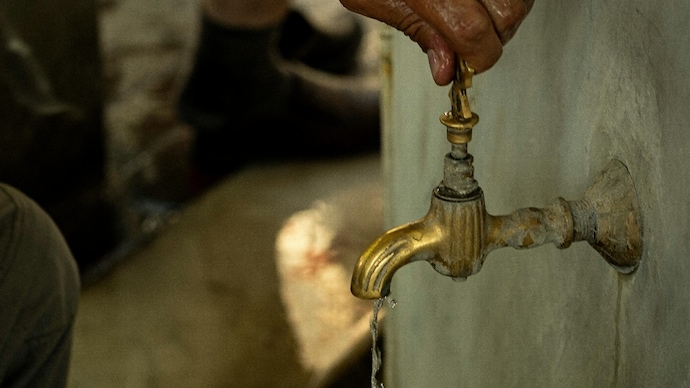
Amid concerns over a monsoon rainfall deficit and the possibility of water scarcity, the Bengaluru Water Supply and Sewerage Board (BWSSB) has announced a series of stringent measures to conserve drinking water, including making aerators mandatory across all water connections and banning the use of potable water for several non-essential purposes.
The new directives, issued in view of the rainfall shortfall linked to the El Nino phenomenon, are aimed at ensuring efficient management of Bengaluru's drinking water supply and preventing a repeat of the severe water crisis the city witnessed last year.
BWSSB Chairperson Dr Manjula said public cooperation would be crucial in conserving water amid the prevailing weather conditions. The measures are also based on recommendations made in a report by the Indian Institute of Science (IISc).
Under the new rules, all residential buildings, apartments, commercial establishments, government offices, hotels and industries have been directed to install flow restrictors or aerators at their water connections. According to the BWSSB, aerators can reduce water consumption by 30 to 50 per cent without affecting water flow or user convenience.
The body has also prohibited the use of drinking water for non-potable purposes. Residents and establishments can no longer use potable water for washing vehicles, watering gardens, cleaning roads and footpaths or carrying out construction activities. Treated water or other alternative sources must be used for these purposes.
In another significant move, both private and public swimming pools have been barred from using drinking water to fill their pools. Pool operators have instead been asked to rely on treated water or other approved alternative sources.
The BWSSB warned that violations of the new orders would attract strict penalties under the Bengaluru Water Supply and Sewerage Act, 1964. Offenders could face a fine of Rs 5,000, while continued violations would invite an additional penalty of Rs 500 per day. The board may also reduce water supply to the offending premises by up to 50 per cent, apart from initiating further legal action.
The board said failure to install mandatory flow restrictors or aerators could also result in penalties, including a Rs 5,000 fine and a reduction in water supply.
The latest measures come as Bengaluru braces for an uncertain monsoon season, with authorities seeking to curb the misuse of drinking water and promote long-term conservation to ensure adequate supplies for essential needs.
Amid concerns over a monsoon rainfall deficit and the possibility of water scarcity, the Bengaluru Water Supply and Sewerage Board (BWSSB) has announced a series of stringent measures to conserve drinking water, including making aerators mandatory across all water connections and banning the use of potable water for several non-essential purposes.
The new directives, issued in view of the rainfall shortfall linked to the El Nino phenomenon, are aimed at ensuring efficient management of Bengaluru's drinking water supply and preventing a repeat of the severe water crisis the city witnessed last year.
BWSSB Chairperson Dr Manjula said public cooperation would be crucial in conserving water amid the prevailing weather conditions. The measures are also based on recommendations made in a report by the Indian Institute of Science (IISc).
Under the new rules, all residential buildings, apartments, commercial establishments, government offices, hotels and industries have been directed to install flow restrictors or aerators at their water connections. According to the BWSSB, aerators can reduce water consumption by 30 to 50 per cent without affecting water flow or user convenience.
The body has also prohibited the use of drinking water for non-potable purposes. Residents and establishments can no longer use potable water for washing vehicles, watering gardens, cleaning roads and footpaths or carrying out construction activities. Treated water or other alternative sources must be used for these purposes.
In another significant move, both private and public swimming pools have been barred from using drinking water to fill their pools. Pool operators have instead been asked to rely on treated water or other approved alternative sources.
The BWSSB warned that violations of the new orders would attract strict penalties under the Bengaluru Water Supply and Sewerage Act, 1964. Offenders could face a fine of Rs 5,000, while continued violations would invite an additional penalty of Rs 500 per day. The board may also reduce water supply to the offending premises by up to 50 per cent, apart from initiating further legal action.
The board said failure to install mandatory flow restrictors or aerators could also result in penalties, including a Rs 5,000 fine and a reduction in water supply.
The latest measures come as Bengaluru braces for an uncertain monsoon season, with authorities seeking to curb the misuse of drinking water and promote long-term conservation to ensure adequate supplies for essential needs.

