Delhi to roll out passport-style booklet for students to explore 23 heritage sites
Delhi will roll out passport-style booklets for Classes 4 to 6 to track visits to 23 heritage sites. The initiative aims to make the city's history more engaging while rewarding children who complete the trail.
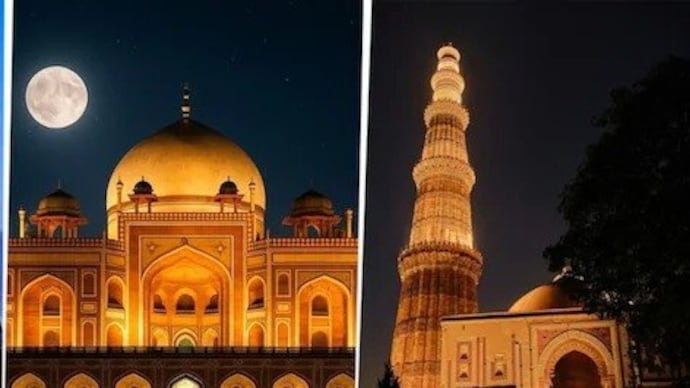
The Delhi government will introduce a passport-like booklet for students of Classes 4 to 6 in a first-of-its-kind initiative aimed at encouraging children to explore the capital's heritage. The booklet will feature 23 monuments across the city and allow students to collect stamps during visits while learning about Delhi's history in an interactive way.
The programme is being developed by the Delhi Tourism and Transport Development Corporation in collaboration with the Education Department and is expected to be rolled out after August 15. It will run for six months. Students who visit all 23 monuments and collect the required stamps will be eligible for recognition and awards from the tourism department, while selected students who submit their completed passports at the Central Reservation System office will be chosen through a draw of lots for prize money, an official said.
Describing the idea, the official said, "Imagine a Class 5 student carrying a small booklet resembling a real passport, complete with a photograph and personal details, setting out with family members on weekends to visit forts, tombs, stepwells and ancient structures scattered across the capital. At every monument, a stamp is added to the booklet, slowly filling its pages with memories of places that have stood witness to Delhi's many rulers, empires and transformations."
THE BOOKLET IS A TRAVEL PASSPORT
The booklet, modelled on a travel passport, will carry a student's photograph and basic details on the opening page. The remaining pages will feature 23 monuments across Delhi, along with brief descriptions and designated spaces for stamps that children can collect during their visits. The list of 23 sites will also include museums, such as the National Museum.
"The idea is to make heritage exploration exciting for children," the official said. Instead of viewing monuments only through textbooks, students will be encouraged to visit them, learn about their history and interact with the city's cultural landscape first-hand. Officials said children visiting any of the listed monuments will receive a stamp in their booklet, and those who complete visits to all 23 sites during the campaign period will be eligible for recognition and awards from the tourism department.
The passports are proposed to be distributed through schools with the support of the Education Department and School Management Committees. Since entry to most monuments is already free for children in the targeted age group, the department hopes the passport will encourage students to visit the sites with their families and learn more about Delhi's cultural and historical heritage. The campaign will remain active for around six months from its launch, giving students time to complete the heritage trail.
HOW WILL THE PASSPORTS OPERATE?
At participating monuments, arrangements will be made for children to get their passports stamped after completing a visit. Dedicated counters or designated personnel are expected to handle the stamping process, allowing students to gradually fill the booklet as they move from one heritage site to another. After collecting stamps from all 23 monuments, participants will be required to submit the completed passport to the Central Reservation System office. The official said, "After completion of the six month campaign, the department will choose students who would submit their passport at CRS through draw of lots and will award prize money."
While presenting the 2026-27 Budget in March, Chief Minister Rekha Gupta said Rs 412 crore had been allocated for the tourism department, up from Rs 121 crore last year. A provision of Rs 173 crore was also made for the art, culture and language department. Highlighting the budget provisions, the Chief Minister said the tourism department had been tasked with developing public convenience facilities at nearly 1,000 locations across the capital. The new passport initiative for schoolchildren is set to run alongside these broader tourism plans, with the focus on helping children explore 23 heritage sites across Delhi over a six-month period.
The Delhi government will introduce a passport-like booklet for students of Classes 4 to 6 in a first-of-its-kind initiative aimed at encouraging children to explore the capital's heritage. The booklet will feature 23 monuments across the city and allow students to collect stamps during visits while learning about Delhi's history in an interactive way.
The programme is being developed by the Delhi Tourism and Transport Development Corporation in collaboration with the Education Department and is expected to be rolled out after August 15. It will run for six months. Students who visit all 23 monuments and collect the required stamps will be eligible for recognition and awards from the tourism department, while selected students who submit their completed passports at the Central Reservation System office will be chosen through a draw of lots for prize money, an official said.
Describing the idea, the official said, "Imagine a Class 5 student carrying a small booklet resembling a real passport, complete with a photograph and personal details, setting out with family members on weekends to visit forts, tombs, stepwells and ancient structures scattered across the capital. At every monument, a stamp is added to the booklet, slowly filling its pages with memories of places that have stood witness to Delhi's many rulers, empires and transformations."
THE BOOKLET IS A TRAVEL PASSPORT
The booklet, modelled on a travel passport, will carry a student's photograph and basic details on the opening page. The remaining pages will feature 23 monuments across Delhi, along with brief descriptions and designated spaces for stamps that children can collect during their visits. The list of 23 sites will also include museums, such as the National Museum.
"The idea is to make heritage exploration exciting for children," the official said. Instead of viewing monuments only through textbooks, students will be encouraged to visit them, learn about their history and interact with the city's cultural landscape first-hand. Officials said children visiting any of the listed monuments will receive a stamp in their booklet, and those who complete visits to all 23 sites during the campaign period will be eligible for recognition and awards from the tourism department.
The passports are proposed to be distributed through schools with the support of the Education Department and School Management Committees. Since entry to most monuments is already free for children in the targeted age group, the department hopes the passport will encourage students to visit the sites with their families and learn more about Delhi's cultural and historical heritage. The campaign will remain active for around six months from its launch, giving students time to complete the heritage trail.
HOW WILL THE PASSPORTS OPERATE?
At participating monuments, arrangements will be made for children to get their passports stamped after completing a visit. Dedicated counters or designated personnel are expected to handle the stamping process, allowing students to gradually fill the booklet as they move from one heritage site to another. After collecting stamps from all 23 monuments, participants will be required to submit the completed passport to the Central Reservation System office. The official said, "After completion of the six month campaign, the department will choose students who would submit their passport at CRS through draw of lots and will award prize money."
While presenting the 2026-27 Budget in March, Chief Minister Rekha Gupta said Rs 412 crore had been allocated for the tourism department, up from Rs 121 crore last year. A provision of Rs 173 crore was also made for the art, culture and language department. Highlighting the budget provisions, the Chief Minister said the tourism department had been tasked with developing public convenience facilities at nearly 1,000 locations across the capital. The new passport initiative for schoolchildren is set to run alongside these broader tourism plans, with the focus on helping children explore 23 heritage sites across Delhi over a six-month period.

