Smoke, screams and locked exits: Inside Delhi's deadliest hotel fire
The devastating fire at a hotel in Delhi's Malviya Nagar that killed 21 people has raised serious questions over fire safety norms, with eyewitnesses alleging a single exit point, a locked basement gate, overcrowding and lack of emergency evacuation routes.
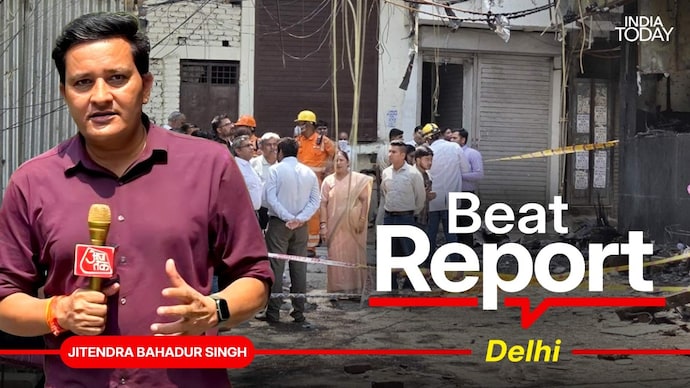
Thick black smoke, desperate cries for help and residents risking their own lives to rescue strangers. Hours after a devastating fire ripped through a hotel in Delhi's Malviya Nagar, killing 21 people, eyewitness accounts have revealed both the heroism that saved dozens of lives and the glaring safety failures that may have turned the blaze into a mass-casualty tragedy.
As investigators examine possible violations of fire safety and building regulations, survivors and local residents have described scenes of chaos inside the hotel, where guests struggled to find a way out as smoke rapidly engulfed the building. Many of those trapped were relatives of patients undergoing treatment at nearby hospitals, while several foreign nationals were also staying at the property.
SMOKE EVERYWHERE, NOWHERE TO ESCAPE
According to eyewitnesses, the biggest challenge was not the flames but the dense smoke that spread through the hotel within minutes.
"When we entered, several people were lying unconscious. Many didn't even know where the exit was," said a local resident who joined rescue efforts alongside police personnel.
Residents said the hotel had only one entry and exit point. As panic spread, some guests locked themselves inside rooms while others hid in toilets and corners of the building in an attempt to escape the smoke. The lack of an alternative emergency exit allegedly left many with no route to safety.
LOCAL RESIDENTS BECOME FIRST RESPONDERS
Before emergency services could fully mobilise, residents of nearby Hauz Rani village rushed to the scene and began helping trapped guests.
Aamir Khan, one of the local volunteers, said he and several other young men repeatedly entered the smoke-filled building to pull people to safety.
"We helped rescue around 20 to 22 people. There was thick smoke everywhere. Some people were badly burnt and many were unconscious," he said.
According to residents, seven to eight local youths worked alongside police and firefighters despite having no formal training. Many believe the death toll could have been significantly higher had locals not stepped in during the initial stages of the emergency.
TWO SURVIVORS FOUND UNCONSCIOUS IN TOILET
One eyewitness who accompanied police inside the building recalled finding two people unconscious inside a second-floor toilet.
"Their condition was extremely serious because of the smoke. They were immediately brought out and given medical assistance," he said.
The incident has reinforced a common observation among rescue personnel that smoke inhalation often proves deadlier than flames during building fires.
LOCKET BASEMENT GATE RAISES TROUBLING QUESTIONS
Among the most disturbing revelations to emerge from eyewitness accounts is the situation in the basement.
Residents alleged that six to seven people were trapped in the basement while a channel gate remained locked from the outside. Firefighters reportedly had to call for cutting equipment before they could force their way in and rescue those trapped inside.
"If the rescue team had arrived any later, the consequences could have been much worse," a local resident said.
RESCUERS BATTLED SMOKE AND EXHAUSTION
Witnesses said visibility inside the upper floors had dropped to almost zero because of the thick smoke.
Police personnel and firefighters repeatedly entered the building despite struggling to breathe. Some police officers reportedly suffered breathing difficulties during the operation and had to be administered CPR before recovering.
Emergency medical teams from the Centralised Accident and Trauma Services (CATS) also played a crucial role in the rescue effort.
Mubarak Siddiqui, associated with CATS 102, said ambulances were rushed to the scene as firefighters brought victims out one after another. Those rescued were taken to hospitals including Max Hospital and Safdarjung Hospital for treatment.
FOREIGN PATIENTS AND FAMILIES AMONG GUESTS
Residents said many of the hotel's occupants had come to Delhi for medical treatment.
Several guests were reportedly from African countries, including the Democratic Republic of Congo, and were staying near hospitals where their relatives were receiving care. Some suffered burn injuries while many others were overcome by smoke.
The tragedy has intensified scrutiny of the hotel's compliance with building and fire safety regulations.
Residents alleged that while the building had permission for a limited number of rooms, around 25 to 26 rooms were being operated. Questions are also being raised about how such a large hotel was allowed to function in a congested neighbourhood with narrow lanes, limited access routes and no visible alternative evacuation path.
The hotel is located amid tightly packed structures near Hauz Rani village, where rescue operations were hampered by narrow approach roads and limited space for emergency vehicles. Witnesses said even evacuating people through broken windows proved difficult because of the cramped surroundings.
QUESTIONS THAT DEMAND ANSWERS
As authorities investigate the cause of the fire, attention is increasingly turning to whether the disaster could have been prevented.
The absence of emergency exits, reports of a locked basement gate, allegations of overcrowding and concerns over safety compliance have all become key parts of the probe. Officials are examining the hotel's licences, fire safety certificates and construction approvals.
For many residents, however, the tragedy is about more than just one building.
The fire exposed both the vulnerability of densely populated urban neighbourhoods and the extraordinary courage of ordinary citizens who rushed into danger to save lives. But it also left behind a painful question: if basic safety norms had been followed, would 21 people still be dead today?
Thick black smoke, desperate cries for help and residents risking their own lives to rescue strangers. Hours after a devastating fire ripped through a hotel in Delhi's Malviya Nagar, killing 21 people, eyewitness accounts have revealed both the heroism that saved dozens of lives and the glaring safety failures that may have turned the blaze into a mass-casualty tragedy.
As investigators examine possible violations of fire safety and building regulations, survivors and local residents have described scenes of chaos inside the hotel, where guests struggled to find a way out as smoke rapidly engulfed the building. Many of those trapped were relatives of patients undergoing treatment at nearby hospitals, while several foreign nationals were also staying at the property.
SMOKE EVERYWHERE, NOWHERE TO ESCAPE
According to eyewitnesses, the biggest challenge was not the flames but the dense smoke that spread through the hotel within minutes.
"When we entered, several people were lying unconscious. Many didn't even know where the exit was," said a local resident who joined rescue efforts alongside police personnel.
Residents said the hotel had only one entry and exit point. As panic spread, some guests locked themselves inside rooms while others hid in toilets and corners of the building in an attempt to escape the smoke. The lack of an alternative emergency exit allegedly left many with no route to safety.
LOCAL RESIDENTS BECOME FIRST RESPONDERS
Before emergency services could fully mobilise, residents of nearby Hauz Rani village rushed to the scene and began helping trapped guests.
Aamir Khan, one of the local volunteers, said he and several other young men repeatedly entered the smoke-filled building to pull people to safety.
"We helped rescue around 20 to 22 people. There was thick smoke everywhere. Some people were badly burnt and many were unconscious," he said.
According to residents, seven to eight local youths worked alongside police and firefighters despite having no formal training. Many believe the death toll could have been significantly higher had locals not stepped in during the initial stages of the emergency.
TWO SURVIVORS FOUND UNCONSCIOUS IN TOILET
One eyewitness who accompanied police inside the building recalled finding two people unconscious inside a second-floor toilet.
"Their condition was extremely serious because of the smoke. They were immediately brought out and given medical assistance," he said.
The incident has reinforced a common observation among rescue personnel that smoke inhalation often proves deadlier than flames during building fires.
LOCKET BASEMENT GATE RAISES TROUBLING QUESTIONS
Among the most disturbing revelations to emerge from eyewitness accounts is the situation in the basement.
Residents alleged that six to seven people were trapped in the basement while a channel gate remained locked from the outside. Firefighters reportedly had to call for cutting equipment before they could force their way in and rescue those trapped inside.
"If the rescue team had arrived any later, the consequences could have been much worse," a local resident said.
RESCUERS BATTLED SMOKE AND EXHAUSTION
Witnesses said visibility inside the upper floors had dropped to almost zero because of the thick smoke.
Police personnel and firefighters repeatedly entered the building despite struggling to breathe. Some police officers reportedly suffered breathing difficulties during the operation and had to be administered CPR before recovering.
Emergency medical teams from the Centralised Accident and Trauma Services (CATS) also played a crucial role in the rescue effort.
Mubarak Siddiqui, associated with CATS 102, said ambulances were rushed to the scene as firefighters brought victims out one after another. Those rescued were taken to hospitals including Max Hospital and Safdarjung Hospital for treatment.
FOREIGN PATIENTS AND FAMILIES AMONG GUESTS
Residents said many of the hotel's occupants had come to Delhi for medical treatment.
Several guests were reportedly from African countries, including the Democratic Republic of Congo, and were staying near hospitals where their relatives were receiving care. Some suffered burn injuries while many others were overcome by smoke.
The tragedy has intensified scrutiny of the hotel's compliance with building and fire safety regulations.
Residents alleged that while the building had permission for a limited number of rooms, around 25 to 26 rooms were being operated. Questions are also being raised about how such a large hotel was allowed to function in a congested neighbourhood with narrow lanes, limited access routes and no visible alternative evacuation path.
The hotel is located amid tightly packed structures near Hauz Rani village, where rescue operations were hampered by narrow approach roads and limited space for emergency vehicles. Witnesses said even evacuating people through broken windows proved difficult because of the cramped surroundings.
QUESTIONS THAT DEMAND ANSWERS
As authorities investigate the cause of the fire, attention is increasingly turning to whether the disaster could have been prevented.
The absence of emergency exits, reports of a locked basement gate, allegations of overcrowding and concerns over safety compliance have all become key parts of the probe. Officials are examining the hotel's licences, fire safety certificates and construction approvals.
For many residents, however, the tragedy is about more than just one building.
The fire exposed both the vulnerability of densely populated urban neighbourhoods and the extraordinary courage of ordinary citizens who rushed into danger to save lives. But it also left behind a painful question: if basic safety norms had been followed, would 21 people still be dead today?

