What is Delhi's O-Zone? Why 15 lakh homes face demolition risk
Delhi's O-Zone, which covers the Yamuna floodplain from Wazirabad to Okhla, includes 94 colonies and nearly 15 lakh homes that authorities classify as unauthorised under the Master Plan 2021.
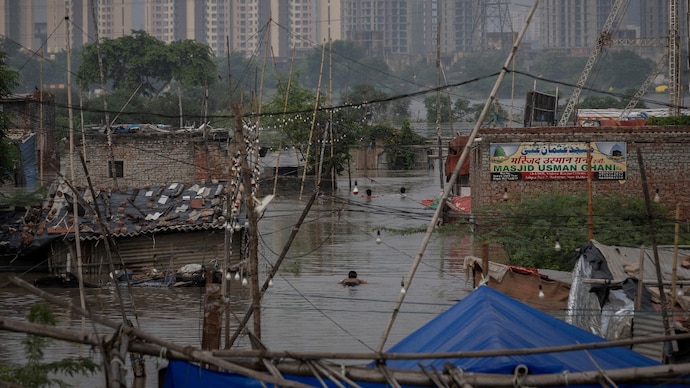
A major demolition drive targeting illegal construction in Delhi's Yamuna floodplain has triggered anxiety across several parts of the capital, with authorities identifying 94 colonies falling under the "O-Zone" area where residential and commercial development is prohibited under the Delhi Master Plan 2021.
The action follows repeated observations by the Delhi High Court and the National Green Tribunal (NGT) on encroachments in the Yamuna floodplain, prompting authorities to intensify efforts to clear the environmentally sensitive zone.
According to official estimates, nearly 15 lakh homes located across these 94 colonies could potentially face demolition if authorities proceed with large-scale enforcement of O-Zone regulations.
WHAT IS THE O-ZONE?
The term refers to colonies located in the Yamuna floodplain, or khadar area, which authorities classify as part of the river’s flood zone. Following repeated observations by the Delhi High Court and the National Green Tribunal (NGT), the administration is preparing to clear encroachments from the Yamuna floodplain.
Under the Delhi Master Plan 2021, the Yamuna floodplain has been designated as the “O-Zone.” The area covers 94 colonies and includes nearly 1.5 million houses, many of which now face the threat of demolition.
The O-Zone stretches across an area of around 20 to 22 kilometres from Wazirabad to Okhla. Colonies such as Jharoda, Sangam Vihar, Wazirabad, Jagatpur, Noor Colony, Deepanshu Colony and Milan Vihar fall within this zone. Authorities have installed O-Zone signboards in several locations, creating anxiety among residents over possible action against structures in these areas.
Authorities have divided the O-Zone into two categories — Green Zone and Red Zone. The zone exists primarily to ensure flood control, environmental protection, biodiversity conservation and the reduction of pollution in the Yamuna.
CONSTRUCTION PROHIBITED UNDER MASTER PLAN
According to Master Plan regulations, all forms of construction, settlement development and residential activities in the area are prohibited and considered illegal.
On April 30, the DDA issued a public notice citing a Delhi High Court order and announced that it would remove all encroachments from the O-Zone. The notice stated that, except for colonies covered under the PM-UDAY scheme, authorities would take action against all unauthorised residential and commercial structures. Residents were asked to vacate the land voluntarily or face demolition.
The DDA notice also mentioned rehabilitation and temporary shelter arrangements for affected families. It referred to night shelters located near Batla House and Sarai Kale Khan as temporary accommodation options.
DDMA ISSUES NOTICE TO YAMUNA BAZAAR RESIDENTS
Separately, on May 5, the Delhi Disaster Management Authority (DDMA) issued notices to around 310 families living in the Yamuna Bazar area. The authority said the locality gets submerged during the monsoon every year, posing risks to people, livestock and property.
According to the administration, recurring floods place an additional burden on government resources due to the need for rescue and relief operations. However, unlike the DDA notice, the DDMA notice did not mention temporary shelters or any rehabilitation plan, increasing concerns among local residents.
GOVT CITES FLOOD RISK AND ENVIRONMENTAL CONCERNS
The government has argued that encroachments along the Yamuna riverfront and ghats have increased over time. It said the NGT had already directed the DDA to take necessary action against encroachments in the floodplain. Acting on those directions, the DDA has conducted multiple anti-encroachment drives in the O-Zone over the past few years.
RESIDENTS WORRIED AS ACTION INTENSIFIES
Residents of Yamuna Bazar have expressed growing concern since receiving demolition notices. According to official figures, the Yamuna Bazar area contains 32 ghats, around 1,100 residents and approximately 310 residential structures. The government considers the area highly vulnerable to flooding, noting that it gets inundated almost every year during periods of high water levels in the Yamuna.
The administration highlighted the severe flooding witnessed in 2023 and 2025, which created significant risks to human life, livestock and property. It said recurring floods force authorities to deploy large-scale relief and rescue operations, requiring substantial manpower, resources and public funds. Revenue department officials also have to arrange temporary relocation and rehabilitation measures during flood emergencies.
The Delhi government maintains that keeping the Yamuna floodplain free of encroachments is essential for environmental protection as well as public safety. It has said that action against unauthorised structures in the floodplain will continue in accordance with existing rules and regulations.
A major demolition drive targeting illegal construction in Delhi's Yamuna floodplain has triggered anxiety across several parts of the capital, with authorities identifying 94 colonies falling under the "O-Zone" area where residential and commercial development is prohibited under the Delhi Master Plan 2021.
The action follows repeated observations by the Delhi High Court and the National Green Tribunal (NGT) on encroachments in the Yamuna floodplain, prompting authorities to intensify efforts to clear the environmentally sensitive zone.
According to official estimates, nearly 15 lakh homes located across these 94 colonies could potentially face demolition if authorities proceed with large-scale enforcement of O-Zone regulations.
WHAT IS THE O-ZONE?
The term refers to colonies located in the Yamuna floodplain, or khadar area, which authorities classify as part of the river’s flood zone. Following repeated observations by the Delhi High Court and the National Green Tribunal (NGT), the administration is preparing to clear encroachments from the Yamuna floodplain.
Under the Delhi Master Plan 2021, the Yamuna floodplain has been designated as the “O-Zone.” The area covers 94 colonies and includes nearly 1.5 million houses, many of which now face the threat of demolition.
The O-Zone stretches across an area of around 20 to 22 kilometres from Wazirabad to Okhla. Colonies such as Jharoda, Sangam Vihar, Wazirabad, Jagatpur, Noor Colony, Deepanshu Colony and Milan Vihar fall within this zone. Authorities have installed O-Zone signboards in several locations, creating anxiety among residents over possible action against structures in these areas.
Authorities have divided the O-Zone into two categories — Green Zone and Red Zone. The zone exists primarily to ensure flood control, environmental protection, biodiversity conservation and the reduction of pollution in the Yamuna.
CONSTRUCTION PROHIBITED UNDER MASTER PLAN
According to Master Plan regulations, all forms of construction, settlement development and residential activities in the area are prohibited and considered illegal.
On April 30, the DDA issued a public notice citing a Delhi High Court order and announced that it would remove all encroachments from the O-Zone. The notice stated that, except for colonies covered under the PM-UDAY scheme, authorities would take action against all unauthorised residential and commercial structures. Residents were asked to vacate the land voluntarily or face demolition.
The DDA notice also mentioned rehabilitation and temporary shelter arrangements for affected families. It referred to night shelters located near Batla House and Sarai Kale Khan as temporary accommodation options.
DDMA ISSUES NOTICE TO YAMUNA BAZAAR RESIDENTS
Separately, on May 5, the Delhi Disaster Management Authority (DDMA) issued notices to around 310 families living in the Yamuna Bazar area. The authority said the locality gets submerged during the monsoon every year, posing risks to people, livestock and property.
According to the administration, recurring floods place an additional burden on government resources due to the need for rescue and relief operations. However, unlike the DDA notice, the DDMA notice did not mention temporary shelters or any rehabilitation plan, increasing concerns among local residents.
GOVT CITES FLOOD RISK AND ENVIRONMENTAL CONCERNS
The government has argued that encroachments along the Yamuna riverfront and ghats have increased over time. It said the NGT had already directed the DDA to take necessary action against encroachments in the floodplain. Acting on those directions, the DDA has conducted multiple anti-encroachment drives in the O-Zone over the past few years.
RESIDENTS WORRIED AS ACTION INTENSIFIES
Residents of Yamuna Bazar have expressed growing concern since receiving demolition notices. According to official figures, the Yamuna Bazar area contains 32 ghats, around 1,100 residents and approximately 310 residential structures. The government considers the area highly vulnerable to flooding, noting that it gets inundated almost every year during periods of high water levels in the Yamuna.
The administration highlighted the severe flooding witnessed in 2023 and 2025, which created significant risks to human life, livestock and property. It said recurring floods force authorities to deploy large-scale relief and rescue operations, requiring substantial manpower, resources and public funds. Revenue department officials also have to arrange temporary relocation and rehabilitation measures during flood emergencies.
The Delhi government maintains that keeping the Yamuna floodplain free of encroachments is essential for environmental protection as well as public safety. It has said that action against unauthorised structures in the floodplain will continue in accordance with existing rules and regulations.

