Food adulteration racket busted in Hyderabad; oil, namkeen worth lakhs seized
Sources revealed that the police had major success in seizing 5,026 litres of oil and 5,192 kilograms of wheat during the operation, which targeted a wide range of items, including bakery products, sweets, salty snacks, edible oils, wheat flour, ginger-garlic paste, meat products, ice creams, and sauces.
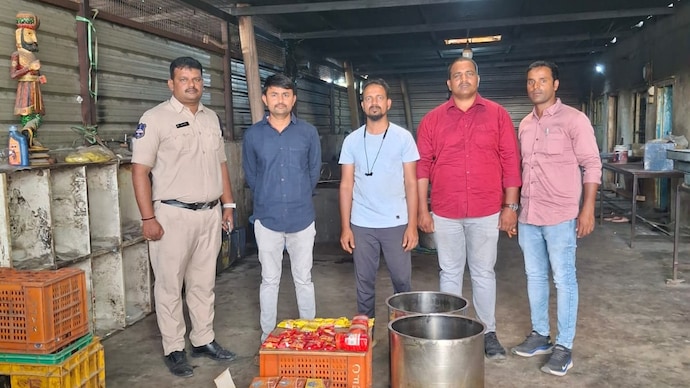
In a major crackdown on food adulteration and illegal manufacturing, the Cyberabad Enforcement Wing carried out extensive search operations from January 1 to April 21 in Hyderabad, seizing adulterated food items, machinery, and vehicles worth Rs 64.07 lakh, and arresting 28 individuals associated with the units, sources close to the development told India Today.
Sources further revealed that the police had a major success in seizing 5,026 litres of oil and 5,192 kilograms of wheat during the operation, which targeted a wide range of items, including bakery products, sweets, salty snacks, edible oils, wheat flour, ginger-garlic paste, meat products, ice creams, and sauces.
Several units that came under the scanner allegedly used expired ingredients, synthetic food colours, and hazardous chemicals. Many establishments were found operating in highly unhygienic conditions without valid FSSAI certification or trade licences.
Overall, the police registered 22 cases and busted manufacturing units that were preparing ginger-garlic paste using harmful preservatives and fake branding.
Following the raids, the police urged citizens to purchase food products only from licensed vendors, to check expiry dates, and to report any suspicious activity to authorities.
In a separate incident, police also arrested 10 people associated with a tea-powder adulteration racket and seized a large quantity of products.
"Authorities found 10 tea godowns containing adulterated stock. Around 3000 kg of adulterated tea powder, 1500 kg of expired tea powder, and synthetic colour and jaggery items were seized. Hyderabad, known for its tea culture, is facing a racket where adulterated tea is supplied to roadside vendors, stalls, and centres across the city. The culprits mixed synthetic dyes into cheap or expired tea powder sourced from West Bengal and Assam, then sold it at lower prices," senior police officer Gaikwad Vaibhav Ragunath told news agency ANI.
In a major crackdown on food adulteration and illegal manufacturing, the Cyberabad Enforcement Wing carried out extensive search operations from January 1 to April 21 in Hyderabad, seizing adulterated food items, machinery, and vehicles worth Rs 64.07 lakh, and arresting 28 individuals associated with the units, sources close to the development told India Today.
Sources further revealed that the police had a major success in seizing 5,026 litres of oil and 5,192 kilograms of wheat during the operation, which targeted a wide range of items, including bakery products, sweets, salty snacks, edible oils, wheat flour, ginger-garlic paste, meat products, ice creams, and sauces.
Several units that came under the scanner allegedly used expired ingredients, synthetic food colours, and hazardous chemicals. Many establishments were found operating in highly unhygienic conditions without valid FSSAI certification or trade licences.
Overall, the police registered 22 cases and busted manufacturing units that were preparing ginger-garlic paste using harmful preservatives and fake branding.
Following the raids, the police urged citizens to purchase food products only from licensed vendors, to check expiry dates, and to report any suspicious activity to authorities.
In a separate incident, police also arrested 10 people associated with a tea-powder adulteration racket and seized a large quantity of products.
"Authorities found 10 tea godowns containing adulterated stock. Around 3000 kg of adulterated tea powder, 1500 kg of expired tea powder, and synthetic colour and jaggery items were seized. Hyderabad, known for its tea culture, is facing a racket where adulterated tea is supplied to roadside vendors, stalls, and centres across the city. The culprits mixed synthetic dyes into cheap or expired tea powder sourced from West Bengal and Assam, then sold it at lower prices," senior police officer Gaikwad Vaibhav Ragunath told news agency ANI.

