With reservoirs at just 10%, Mumbai stops water to pools, construction projects
With reservoir levels falling sharply and the monsoon yet to arrive, Mumbai has rolled out stringent water restrictions that could affect businesses, construction activity and several public facilities across the city.
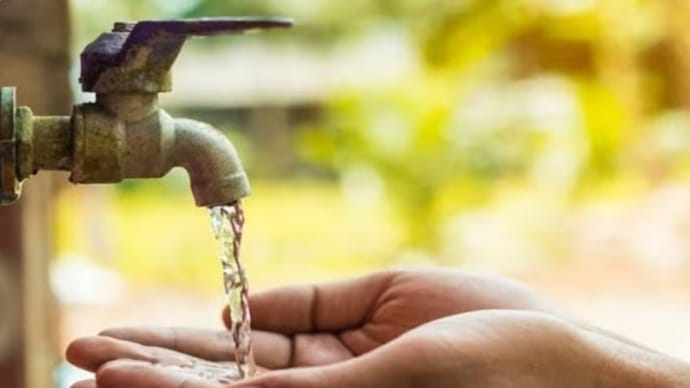
Maharashtra's capital is facing tighter water restrictions after reservoir levels supplying Mumbai plunged to just over 10 per cent of capacity, prompting the Brihanmumbai Municipal Corporation (BMC) to stop water supply to construction sites and swimming pools and impose a 20 per cent cut on industrial and commercial users.
The curbs, which came into force on Wednesday, follow a delayed monsoon linked to El Nino conditions and rapidly depleting water reserves in the seven lakes that supply Mumbai.
According to the BMC, water stock in these reservoirs stood at only 10.35 per cent of available capacity on June 16, raising concerns over sustaining supply until substantial rainfall arrives.
STRICT CURBS KICK IN
Under the new measures, all water connections provided for construction activities are being temporarily disconnected and no fresh construction water connections will be sanctioned until further orders.
Water supply to swimming pools has also been suspended, while applications seeking additional or enhanced water connections will remain pending until reservoir levels improve.
The civic body has also ordered a 20 per cent reduction in water supplied to industrial, commercial and sports club establishments.
In another significant move, water supply to aerated beverage manufacturers and packaged drinking water bottling plants has been restricted to quantities required only for the drinking water needs of workers.
The BMC warned that the restrictions would be enforced strictly and action would be taken against those found wasting or misusing drinking water supplied by the civic body.
RESERVOIRS UNDER PRESSURE
Mumbai and its suburbs require around 4,664 million litres of water daily. However, the city receives an average supply of about 4,100 million litres per day from existing sources.
As reservoir levels began falling, the BMC had already introduced a 10 per cent water cut across Mumbai from May 15, 2026, as a precautionary measure following directions from the Maharashtra government's Water Resources Department.
With the monsoon yet to arrive in full force, stretching the remaining water stock for as long as possible has emerged as a key challenge for the civic administration.
The latest restrictions have been implemented in line with directives issued by the Water Resources Department to ensure prudent management of drinking water supplies.
PUSH FOR ALTERNATIVE SOURCES
The BMC has also directed organisations managing public toilets and restrooms to maximise the use of tanker water and borewell water wherever possible to reduce dependence on potable water.
The circular advises that wells, tube wells and borewells should be used extensively for non-drinking purposes, including vehicle washing, gardening and cleaning roads and premises.
Major establishments such as Central Railway, Western Railway, Rashtriya Chemicals and Fertilizers, HPCL, BPCL, the Navy, MIDC and BPT have been instructed to increase the reuse of treated water from sewage treatment plants for operational and secondary purposes.
The civic body hopes that aggressive conservation measures, combined with the arrival of monsoon rains, will help ease pressure on Mumbai's shrinking water reserves in the coming weeks.
Maharashtra's capital is facing tighter water restrictions after reservoir levels supplying Mumbai plunged to just over 10 per cent of capacity, prompting the Brihanmumbai Municipal Corporation (BMC) to stop water supply to construction sites and swimming pools and impose a 20 per cent cut on industrial and commercial users.
The curbs, which came into force on Wednesday, follow a delayed monsoon linked to El Nino conditions and rapidly depleting water reserves in the seven lakes that supply Mumbai.
According to the BMC, water stock in these reservoirs stood at only 10.35 per cent of available capacity on June 16, raising concerns over sustaining supply until substantial rainfall arrives.
STRICT CURBS KICK IN
Under the new measures, all water connections provided for construction activities are being temporarily disconnected and no fresh construction water connections will be sanctioned until further orders.
Water supply to swimming pools has also been suspended, while applications seeking additional or enhanced water connections will remain pending until reservoir levels improve.
The civic body has also ordered a 20 per cent reduction in water supplied to industrial, commercial and sports club establishments.
In another significant move, water supply to aerated beverage manufacturers and packaged drinking water bottling plants has been restricted to quantities required only for the drinking water needs of workers.
The BMC warned that the restrictions would be enforced strictly and action would be taken against those found wasting or misusing drinking water supplied by the civic body.
RESERVOIRS UNDER PRESSURE
Mumbai and its suburbs require around 4,664 million litres of water daily. However, the city receives an average supply of about 4,100 million litres per day from existing sources.
As reservoir levels began falling, the BMC had already introduced a 10 per cent water cut across Mumbai from May 15, 2026, as a precautionary measure following directions from the Maharashtra government's Water Resources Department.
With the monsoon yet to arrive in full force, stretching the remaining water stock for as long as possible has emerged as a key challenge for the civic administration.
The latest restrictions have been implemented in line with directives issued by the Water Resources Department to ensure prudent management of drinking water supplies.
PUSH FOR ALTERNATIVE SOURCES
The BMC has also directed organisations managing public toilets and restrooms to maximise the use of tanker water and borewell water wherever possible to reduce dependence on potable water.
The circular advises that wells, tube wells and borewells should be used extensively for non-drinking purposes, including vehicle washing, gardening and cleaning roads and premises.
Major establishments such as Central Railway, Western Railway, Rashtriya Chemicals and Fertilizers, HPCL, BPCL, the Navy, MIDC and BPT have been instructed to increase the reuse of treated water from sewage treatment plants for operational and secondary purposes.
The civic body hopes that aggressive conservation measures, combined with the arrival of monsoon rains, will help ease pressure on Mumbai's shrinking water reserves in the coming weeks.

