A bloodstained peace deal: The human cost of US-Israel-Iran War
Besides, the war has also led to massive damage to energy infrastructure across the region.
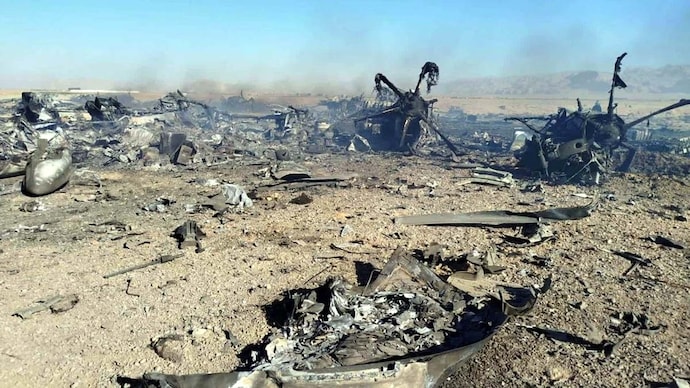
A peace deal is close to being signed. But in three months, much was lost. What began with US-Israeli strikes on Iran on February 28 quickly turned into a regional war that damaged energy facilities, disrupted oil supplies, and killed thousands of people.
US President Donald Trump said a peace deal has been largely negotiated, though he later said his team should not rush the process. A senior US official said significant progress had been made, but an agreement had not yet been signed.
The proposed US–Iran agreement would extend the ceasefire and reopen the Strait of Hormuz for global shipping.
THE HUMAN COST
According to an Al Jazeera tracker, between February 28 and May 20, Iran suffered the heaviest losses with 3,468 people killed and more than 26,500 wounded. In Lebanon, 3,042 people were killed and over 9,300 were injured.
Iraq saw 118 deaths, Israel 26, the United Arab Emirates 12, and Syria four. Even far-removed nations like Jordan and Qatar reported casualties. The US military was not spared either. Thirteen American service members died, and 381 were wounded.
ENERGY SITES IN RUINS
Beyond the human toll, the war hit the Middle East where it hurts most: energy infrastructure. Major oil and gas facilities across the region were struck.
In Saudi Arabia alone, three major refineries were hit: Samref, SATORP, and Ras Tanura, one of the world's largest oil facilities. In Iran, the South Pars gas facility, the backbone of the country's energy economy, was badly damaged. The UAE lost two major gas facilities: Habshan and Shah. Kuwait's Mina Al-Ahmadi refinery, Bahrain's BAPCO Sitra Refinery, Qatar's Laffan Refinery, Iraq's Erbil Lanaz Refinery, and Israel's Haifa Refinery were all hit during the conflict.
The combined damage to regional refining and gas production capacity runs into the millions of barrels per day, sending shockwaves through global oil prices and energy supply chains.
A peace deal is close to being signed. But in three months, much was lost. What began with US-Israeli strikes on Iran on February 28 quickly turned into a regional war that damaged energy facilities, disrupted oil supplies, and killed thousands of people.
US President Donald Trump said a peace deal has been largely negotiated, though he later said his team should not rush the process. A senior US official said significant progress had been made, but an agreement had not yet been signed.
The proposed US–Iran agreement would extend the ceasefire and reopen the Strait of Hormuz for global shipping.
THE HUMAN COST
According to an Al Jazeera tracker, between February 28 and May 20, Iran suffered the heaviest losses with 3,468 people killed and more than 26,500 wounded. In Lebanon, 3,042 people were killed and over 9,300 were injured.
Iraq saw 118 deaths, Israel 26, the United Arab Emirates 12, and Syria four. Even far-removed nations like Jordan and Qatar reported casualties. The US military was not spared either. Thirteen American service members died, and 381 were wounded.
ENERGY SITES IN RUINS
Beyond the human toll, the war hit the Middle East where it hurts most: energy infrastructure. Major oil and gas facilities across the region were struck.
In Saudi Arabia alone, three major refineries were hit: Samref, SATORP, and Ras Tanura, one of the world's largest oil facilities. In Iran, the South Pars gas facility, the backbone of the country's energy economy, was badly damaged. The UAE lost two major gas facilities: Habshan and Shah. Kuwait's Mina Al-Ahmadi refinery, Bahrain's BAPCO Sitra Refinery, Qatar's Laffan Refinery, Iraq's Erbil Lanaz Refinery, and Israel's Haifa Refinery were all hit during the conflict.
The combined damage to regional refining and gas production capacity runs into the millions of barrels per day, sending shockwaves through global oil prices and energy supply chains.

