After a court defeat, the US revives tariffs and India is a target
Washington wants new duties on 60 economies for failing to curb forced-labour imports. India, China, and Japan face the steeper 12.5 per cent; the EU and Britain get 10 per cent.
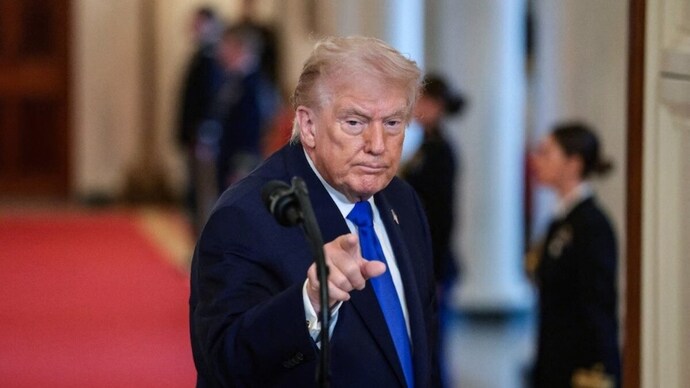
The Donald Trump administration has found a new way to tax the world's goods, and India is on the wrong side of it. On June 2, the US Trade Representative proposed extra tariffs of 10–12.5 per cent on 60 economies for failing to stop imports made with forced labour. It is the White House's first major tariff move since the Supreme Court struck down its earlier tariffs in February. This time, the legal ground looks firmer.
The earlier "Liberation Day" tariffs relied on emergency economic powers that the Supreme Court rejected in February, ruling that the law did not allow presidents to impose tariffs. These new duties invoke Section 301 of the Trade Act of 1974 and raise a cause few can defend in public: forced labour.
"The failure of our most important trading partners to address the importation of goods made with forced labour is unacceptable," US trade representative Jamieson Greer said, arguing that it forces American workers to compete against tainted goods. Critics call the labour concern a pretext for protectionism. For India, the effect is the same either way: a 12.5 per cent duty, the same rate as China.
The timing is pointed. A US trade team is in New Delhi right now. Brendan Lynch, the chief US negotiator, is leading a delegation of US Trade Representative officials in talks between June 1 and 4 to finalise an interim trade agreement.
Of the 60 economies, 46 face the higher 12.5 per cent rate. Among them are India, China, Japan, Brazil, and Vietnam, according to the USTR notice. The lower 10 per cent rate goes to 14 economies that already ban forced-labour imports (Canada, Ecuador, the European Union, Indonesia, Mexico, and Pakistan), have promised a ban under a reciprocal-trade deal (Argentina, Bangladesh, Cambodia, El Salvador, Guatemala, Malaysia, and Taiwan), or run a partial ban (the United Kingdom).
South Asia is split: Bangladesh and Pakistan draw the lower rate, while India and China draw the higher one. India has no forced-labour import ban or reciprocal-trade commitment on record in the notice, and that, not the size of its trade, is the test for relief.
The exemptions decide who actually pays, and they fall unevenly. The notice spares 1,654 product lines, but they cluster capital-intensive goods: organic chemicals, machinery, electronics, pharmaceuticals, and petroleum products.
India's labour-intensive exports get no such cover. Textiles, garments, carpets, footwear, shrimp, and cut diamonds and jewellery, the sectors that employ the most Indian workers, would carry the full 12.5 per cent. A tariff justified by labour abuses lands the hardest on labour-intensive trade.
This is a proposal, not a law. The rates, the country list, and the exemptions can all change after a public-comment window that closes on July 6 and a hearing the next day. The legal theory is also untested, and the targets have pushed back.
European lawmakers rejected the premise that the bloc polices forced-labour goods less well than the US, with one calling the findings "utterly absurd". Whether a forced-labour finding survives the challenges sure to follow, and whether India can negotiate its way down to 10 per cent, is unsettled.
The Ministry of Commerce has said that India and the US will finalise an interim pact based on a framework both sides agreed on in February, and move the wider Bilateral Trade Agreement forward at the same time.
That deal could be India's way to the lower rate. The 10 per cent tier rewards economies that commit to a forced-labour ban through a reciprocal-trade agreement, the kind of pact now on the table in Delhi; Bangladesh has already taken that route. If the talks fall short and the 12.5 per cent rate holds, Indian goods outside the 1,654 exemptions would face the new duty on top of existing tariffs, hitting labour-intensive sectors hardest.
The tariffs now arrive wrapped in the language of human rights. For the 60 economies on the list, the question is the old one from "Liberation Day": how much, and on what.
The Donald Trump administration has found a new way to tax the world's goods, and India is on the wrong side of it. On June 2, the US Trade Representative proposed extra tariffs of 10–12.5 per cent on 60 economies for failing to stop imports made with forced labour. It is the White House's first major tariff move since the Supreme Court struck down its earlier tariffs in February. This time, the legal ground looks firmer.
The earlier "Liberation Day" tariffs relied on emergency economic powers that the Supreme Court rejected in February, ruling that the law did not allow presidents to impose tariffs. These new duties invoke Section 301 of the Trade Act of 1974 and raise a cause few can defend in public: forced labour.
"The failure of our most important trading partners to address the importation of goods made with forced labour is unacceptable," US trade representative Jamieson Greer said, arguing that it forces American workers to compete against tainted goods. Critics call the labour concern a pretext for protectionism. For India, the effect is the same either way: a 12.5 per cent duty, the same rate as China.
The timing is pointed. A US trade team is in New Delhi right now. Brendan Lynch, the chief US negotiator, is leading a delegation of US Trade Representative officials in talks between June 1 and 4 to finalise an interim trade agreement.
Of the 60 economies, 46 face the higher 12.5 per cent rate. Among them are India, China, Japan, Brazil, and Vietnam, according to the USTR notice. The lower 10 per cent rate goes to 14 economies that already ban forced-labour imports (Canada, Ecuador, the European Union, Indonesia, Mexico, and Pakistan), have promised a ban under a reciprocal-trade deal (Argentina, Bangladesh, Cambodia, El Salvador, Guatemala, Malaysia, and Taiwan), or run a partial ban (the United Kingdom).
South Asia is split: Bangladesh and Pakistan draw the lower rate, while India and China draw the higher one. India has no forced-labour import ban or reciprocal-trade commitment on record in the notice, and that, not the size of its trade, is the test for relief.
The exemptions decide who actually pays, and they fall unevenly. The notice spares 1,654 product lines, but they cluster capital-intensive goods: organic chemicals, machinery, electronics, pharmaceuticals, and petroleum products.
India's labour-intensive exports get no such cover. Textiles, garments, carpets, footwear, shrimp, and cut diamonds and jewellery, the sectors that employ the most Indian workers, would carry the full 12.5 per cent. A tariff justified by labour abuses lands the hardest on labour-intensive trade.
This is a proposal, not a law. The rates, the country list, and the exemptions can all change after a public-comment window that closes on July 6 and a hearing the next day. The legal theory is also untested, and the targets have pushed back.
European lawmakers rejected the premise that the bloc polices forced-labour goods less well than the US, with one calling the findings "utterly absurd". Whether a forced-labour finding survives the challenges sure to follow, and whether India can negotiate its way down to 10 per cent, is unsettled.
The Ministry of Commerce has said that India and the US will finalise an interim pact based on a framework both sides agreed on in February, and move the wider Bilateral Trade Agreement forward at the same time.
That deal could be India's way to the lower rate. The 10 per cent tier rewards economies that commit to a forced-labour ban through a reciprocal-trade agreement, the kind of pact now on the table in Delhi; Bangladesh has already taken that route. If the talks fall short and the 12.5 per cent rate holds, Indian goods outside the 1,654 exemptions would face the new duty on top of existing tariffs, hitting labour-intensive sectors hardest.
The tariffs now arrive wrapped in the language of human rights. For the 60 economies on the list, the question is the old one from "Liberation Day": how much, and on what.

