Delhi High Court allows DU students debarred for low attendance to write exams
The Delhi High Court stepped in to protect students barred from semester exams over low attendance. In urgent hearings, judges allowed them to sit for exams, with results subject to final rulings.
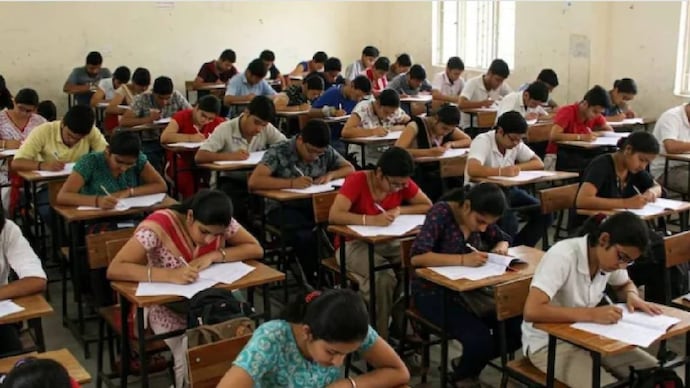
A fresh controversy over attendance requirements at the University of Delhi has reached the Delhi High Court, after students were allegedly barred from appearing in their fourth semester examinations due to insufficient attendance.
Multiple writ petitions were filed by affected students, including Prince Kumar and Prashant Thakur, challenging communications issued by the university dated May 6, 2026. The students argued that they were unfairly debarred despite having prepared for their examinations.
The matter raised a key question before the court: whether students can be barred from examinations solely on the basis of attendance shortages when academic participation has already taken place.
COURT INTERVENTION IN URGENT HEARING
During hearings held on May 18 and May 19, 2026, the Delhi High Court took note of the urgency and interim hardship faced by the students.
In its orders, the court permitted the petitioners to appear in their scheduled fourth semester examinations, including subjects such as:
Managing Innovation and Transformation
HR Analytics
E-Business and Cyber Laws
Ethics, Corporate Governance and Sustainability
Knowledge Management
International Human Resource Management
However, the court clearly stated that the results of these examinations would remain subject to the final outcome of the ongoing petitions.
STUDENTS QUESTION ATTENDANCE POLICY
The petitioners’ counsel argued that there were no clear rules allowing debarring solely on the basis of attendance below 10 per cent. Students also claimed that the required teaching hours, reportedly around 60 hours per course, were not fully conducted in practice.
According to the petitions, had the full instructional schedule been followed, students would have had sufficient opportunity to meet attendance requirements.
The university, meanwhile, contested the claims and sought time to file its response before the court.
PRIOR CASES STRENGTHEN STUDENTS’ ARGUMENT
The court also took note of a similar order passed on May 18 in another related petition, where a student was similarly permitted to appear for examinations despite attendance issues.
This precedent influenced the urgency of relief granted in the present cases, ensuring students were not immediately deprived of academic progression.
WHAT THE COURT SAID
The court observed that, given the urgency, students should not suffer immediate academic loss while the matter remains under judicial consideration.
It ordered that they be allowed to sit for examinations, while making it clear that the final judgment will determine the validity of their results.
WHAT HAPPENS NEXT?
The matter has now been listed for further hearing on May 29, 2026, before the roster bench. The university is expected to file its counter affidavit before the next hearing.
Until then, students will continue their examinations under court protection, awaiting a final verdict on attendance-based eligibility rules.
A fresh controversy over attendance requirements at the University of Delhi has reached the Delhi High Court, after students were allegedly barred from appearing in their fourth semester examinations due to insufficient attendance.
Multiple writ petitions were filed by affected students, including Prince Kumar and Prashant Thakur, challenging communications issued by the university dated May 6, 2026. The students argued that they were unfairly debarred despite having prepared for their examinations.
The matter raised a key question before the court: whether students can be barred from examinations solely on the basis of attendance shortages when academic participation has already taken place.
COURT INTERVENTION IN URGENT HEARING
During hearings held on May 18 and May 19, 2026, the Delhi High Court took note of the urgency and interim hardship faced by the students.
In its orders, the court permitted the petitioners to appear in their scheduled fourth semester examinations, including subjects such as:
Managing Innovation and Transformation
HR Analytics
E-Business and Cyber Laws
Ethics, Corporate Governance and Sustainability
Knowledge Management
International Human Resource Management
However, the court clearly stated that the results of these examinations would remain subject to the final outcome of the ongoing petitions.
STUDENTS QUESTION ATTENDANCE POLICY
The petitioners’ counsel argued that there were no clear rules allowing debarring solely on the basis of attendance below 10 per cent. Students also claimed that the required teaching hours, reportedly around 60 hours per course, were not fully conducted in practice.
According to the petitions, had the full instructional schedule been followed, students would have had sufficient opportunity to meet attendance requirements.
The university, meanwhile, contested the claims and sought time to file its response before the court.
PRIOR CASES STRENGTHEN STUDENTS’ ARGUMENT
The court also took note of a similar order passed on May 18 in another related petition, where a student was similarly permitted to appear for examinations despite attendance issues.
This precedent influenced the urgency of relief granted in the present cases, ensuring students were not immediately deprived of academic progression.
WHAT THE COURT SAID
The court observed that, given the urgency, students should not suffer immediate academic loss while the matter remains under judicial consideration.
It ordered that they be allowed to sit for examinations, while making it clear that the final judgment will determine the validity of their results.
WHAT HAPPENS NEXT?
The matter has now been listed for further hearing on May 29, 2026, before the roster bench. The university is expected to file its counter affidavit before the next hearing.
Until then, students will continue their examinations under court protection, awaiting a final verdict on attendance-based eligibility rules.

