IITs, IIMs begin voluntary drug screening for students, admissions won't be affected
The Centre has introduced a voluntary drug screening programme for students joining IITs, IIMs and other premier institutions as part of its anti-drug strategy. Here's how the initiative will work, what substances will be tested, and why the government says it is aimed at support, not punishment.
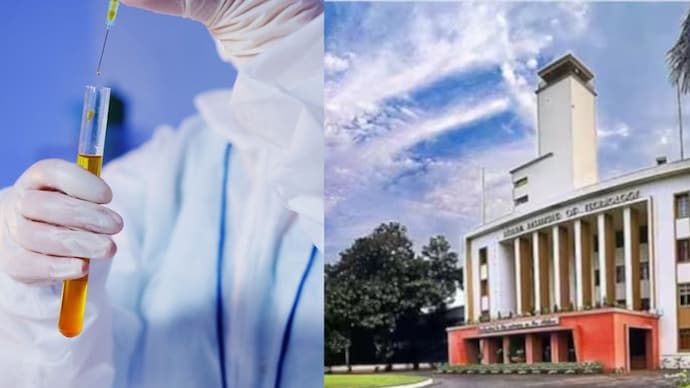
In a major step to strengthen drug prevention efforts among India's youth, the Union government has introduced a voluntary drug screening programme for students joining premier higher educational institutions, including the IITs, IIMs and other centrally funded institutions.
According to The Hindu, incoming students will be encouraged to voluntarily submit a urine sample as part of the admission process to screen for substances such as amphetamines, cocaine, cannabis, benzodiazepines and PCP. Officials have clarified that participation is entirely voluntary, results will remain confidential and anonymised, and the screening will have no impact on admissions, academic standing or hostel eligibility.
PART OF A BROADER NATIONAL ANTI-DRUG STRATEGY
The screening programme forms part of the Narcotics Control Bureau's Vision Document on Narcotics Control 2026–29, which outlines the government's strategy to curb drug abuse across the country. One of its key goals is to screen nearly 10 lakh students across around 170 centrally funded higher educational institutions over the next three years through a phased rollout.
The vision document identifies the growing misuse of psychoactive substances among college and university students as a public health concern. By promoting early detection and timely intervention, the government aims to reduce substance abuse and create healthier educational environments.
The initiative also comes as the government finalises the questionnaire for what is expected to be India's largest-ever national survey on substance use, with findings likely to be released over the next few years.
SCREENING FOR SUPPORT, NOT PUNISHMENT
Government officials have stressed that the programme is intended solely for preventive healthcare and counselling. Guidelines prepared by the National Drug Dependence Treatment Centre (NDDTC) at AIIMS New Delhi state that participation is voluntary and that students will face no academic or disciplinary consequences regardless of the results.
Students will not be denied admission, suspended, expelled or declared ineligible for hostel accommodation based on the screening. Instead, those who may need support will be offered counselling while their results remain confidential.
Admission documents issued by IIT Goa reiterate that the initiative is a preventive health measure by the Ministry of Education and assure students that participation and test results will have no impact on admissions, academic standing, hostel eligibility or disciplinary action.
PM MODI LAUNCHES 'NASHA MUKT YUVA' CAMPAIGN
Prime Minister Narendra Modi on Sunday launched the 'Nasha Mukt Yuva for Viksit Bharat Sankalp Abhiyan', a nationwide campaign to encourage young people to stay away from substance abuse and contribute to the vision of a Viksit Bharat. Emphasising that a healthy, drug-free youth population is vital for the country's progress, he said the initiative aims to raise awareness, promote community participation and strengthen the fight against narcotics.
The launch also marked the start of a 100-week nationwide 'Jan Bhagidari' campaign, featuring awareness drives, educational programmes and community outreach every Sunday with participation from educational institutions, youth organisations, government agencies and civil society groups.
PHASED ROLLOUT ACROSS CAMPUSES
The voluntary drug screening programme will be implemented in three phases. The first phase covers IITs, IIMs and one Central University, with the initiative expected to gradually expand to other centrally funded higher educational institutions over the coming years.
The Centre's initiative reflects a preventive, support-focused approach to tackling substance abuse among students. By prioritising confidentiality and removing academic or disciplinary consequences, it seeks to encourage students to seek help without fear. Its long-term success, however, will depend on effective implementation, robust privacy safeguards and access to quality counselling and rehabilitation services.
In a major step to strengthen drug prevention efforts among India's youth, the Union government has introduced a voluntary drug screening programme for students joining premier higher educational institutions, including the IITs, IIMs and other centrally funded institutions.
According to The Hindu, incoming students will be encouraged to voluntarily submit a urine sample as part of the admission process to screen for substances such as amphetamines, cocaine, cannabis, benzodiazepines and PCP. Officials have clarified that participation is entirely voluntary, results will remain confidential and anonymised, and the screening will have no impact on admissions, academic standing or hostel eligibility.
PART OF A BROADER NATIONAL ANTI-DRUG STRATEGY
The screening programme forms part of the Narcotics Control Bureau's Vision Document on Narcotics Control 2026–29, which outlines the government's strategy to curb drug abuse across the country. One of its key goals is to screen nearly 10 lakh students across around 170 centrally funded higher educational institutions over the next three years through a phased rollout.
The vision document identifies the growing misuse of psychoactive substances among college and university students as a public health concern. By promoting early detection and timely intervention, the government aims to reduce substance abuse and create healthier educational environments.
The initiative also comes as the government finalises the questionnaire for what is expected to be India's largest-ever national survey on substance use, with findings likely to be released over the next few years.
SCREENING FOR SUPPORT, NOT PUNISHMENT
Government officials have stressed that the programme is intended solely for preventive healthcare and counselling. Guidelines prepared by the National Drug Dependence Treatment Centre (NDDTC) at AIIMS New Delhi state that participation is voluntary and that students will face no academic or disciplinary consequences regardless of the results.
Students will not be denied admission, suspended, expelled or declared ineligible for hostel accommodation based on the screening. Instead, those who may need support will be offered counselling while their results remain confidential.
Admission documents issued by IIT Goa reiterate that the initiative is a preventive health measure by the Ministry of Education and assure students that participation and test results will have no impact on admissions, academic standing, hostel eligibility or disciplinary action.
PM MODI LAUNCHES 'NASHA MUKT YUVA' CAMPAIGN
Prime Minister Narendra Modi on Sunday launched the 'Nasha Mukt Yuva for Viksit Bharat Sankalp Abhiyan', a nationwide campaign to encourage young people to stay away from substance abuse and contribute to the vision of a Viksit Bharat. Emphasising that a healthy, drug-free youth population is vital for the country's progress, he said the initiative aims to raise awareness, promote community participation and strengthen the fight against narcotics.
The launch also marked the start of a 100-week nationwide 'Jan Bhagidari' campaign, featuring awareness drives, educational programmes and community outreach every Sunday with participation from educational institutions, youth organisations, government agencies and civil society groups.
PHASED ROLLOUT ACROSS CAMPUSES
The voluntary drug screening programme will be implemented in three phases. The first phase covers IITs, IIMs and one Central University, with the initiative expected to gradually expand to other centrally funded higher educational institutions over the coming years.
The Centre's initiative reflects a preventive, support-focused approach to tackling substance abuse among students. By prioritising confidentiality and removing academic or disciplinary consequences, it seeks to encourage students to seek help without fear. Its long-term success, however, will depend on effective implementation, robust privacy safeguards and access to quality counselling and rehabilitation services.
In a major step to strengthen drug prevention efforts among India's youth, the Union government has introduced a voluntary drug screening programme for students joining premier higher educational institutions, including the IITs, IIMs and other centrally funded institutions.
According to The Hindu, incoming students will be encouraged to voluntarily submit a urine sample as part of the admission process to screen for substances such as amphetamines, cocaine, cannabis, benzodiazepines and PCP. Officials have clarified that participation is entirely voluntary, results will remain confidential and anonymised, and the screening will have no impact on admissions, academic standing or hostel eligibility.
PART OF A BROADER NATIONAL ANTI-DRUG STRATEGY
The screening programme forms part of the Narcotics Control Bureau's Vision Document on Narcotics Control 2026–29, which outlines the government's strategy to curb drug abuse across the country. One of its key goals is to screen nearly 10 lakh students across around 170 centrally funded higher educational institutions over the next three years through a phased rollout.
The vision document identifies the growing misuse of psychoactive substances among college and university students as a public health concern. By promoting early detection and timely intervention, the government aims to reduce substance abuse and create healthier educational environments.
The initiative also comes as the government finalises the questionnaire for what is expected to be India's largest-ever national survey on substance use, with findings likely to be released over the next few years.
SCREENING FOR SUPPORT, NOT PUNISHMENT
Government officials have stressed that the programme is intended solely for preventive healthcare and counselling. Guidelines prepared by the National Drug Dependence Treatment Centre (NDDTC) at AIIMS New Delhi state that participation is voluntary and that students will face no academic or disciplinary consequences regardless of the results.
Students will not be denied admission, suspended, expelled or declared ineligible for hostel accommodation based on the screening. Instead, those who may need support will be offered counselling while their results remain confidential.
Admission documents issued by IIT Goa reiterate that the initiative is a preventive health measure by the Ministry of Education and assure students that participation and test results will have no impact on admissions, academic standing, hostel eligibility or disciplinary action.
PM MODI LAUNCHES 'NASHA MUKT YUVA' CAMPAIGN
Prime Minister Narendra Modi on Sunday launched the 'Nasha Mukt Yuva for Viksit Bharat Sankalp Abhiyan', a nationwide campaign to encourage young people to stay away from substance abuse and contribute to the vision of a Viksit Bharat. Emphasising that a healthy, drug-free youth population is vital for the country's progress, he said the initiative aims to raise awareness, promote community participation and strengthen the fight against narcotics.
The launch also marked the start of a 100-week nationwide 'Jan Bhagidari' campaign, featuring awareness drives, educational programmes and community outreach every Sunday with participation from educational institutions, youth organisations, government agencies and civil society groups.
PHASED ROLLOUT ACROSS CAMPUSES
The voluntary drug screening programme will be implemented in three phases. The first phase covers IITs, IIMs and one Central University, with the initiative expected to gradually expand to other centrally funded higher educational institutions over the coming years.
The Centre's initiative reflects a preventive, support-focused approach to tackling substance abuse among students. By prioritising confidentiality and removing academic or disciplinary consequences, it seeks to encourage students to seek help without fear. Its long-term success, however, will depend on effective implementation, robust privacy safeguards and access to quality counselling and rehabilitation services.

