This IIT Kanpur professor died after a 111-day fast to save the Ganga
As Sonam Wangchuk's hunger strike draws attention, GD Agarwal's long campaign for the Ganga is being recalled. The IIT Kanpur professor died in 2018 after a 111-day fast against projects on the river.
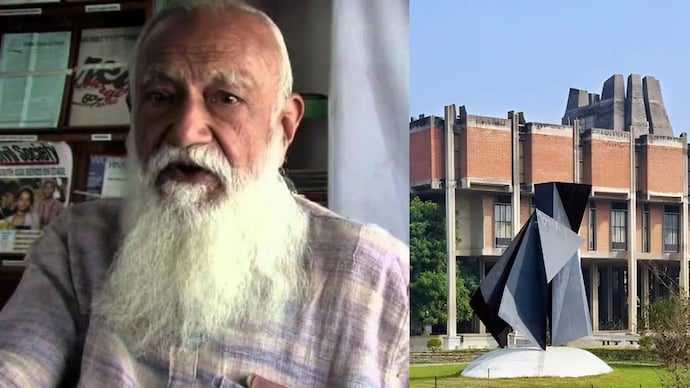
While India is discussing Sonam Wangchuk's indefinite hunger strike, during which he is demanding the resignation of India's Education Minister, it is worth remembering IIT Kanpur professor and an environmentalist, GD Agarwal. He dedicated his life to the cause of the Ganga and died after fasting for 111 days.
The IIT Kanpur professor remained on a hunger strike for over three months before leaving this world.
Sonam Wangchuk, a scientist, a tutor, and also an environmentalist, has been on a hunger strike since June 26 and is entering the 20th day, with his health deteriorating.
Hunger strikes in India are considered a way to protest and raise one's voice. Mahatma Gandhi, who shook the foundations of British rule in India through countless hunger strikes, made it a powerful means of protest and gave the people of this country a way to raise their voices.
Shaheed Bhagat Singh's name is another that comes to mind when discussing hunger strikes.
The legendary freedom fighter went on hunger strikes in jail despite knowing that the establishment was anti-Indian and the British wouldn't entertain any of the demands of the protestors.
But he won, the British had to bow down. His voice still echoes in colleges, schools, and on the streets.
The Anna Andolan against corruption in the 21st century is one fine example. It was during this movement that Arvind Kejriwal emerged as a leader, who later went on to form the Aam Aadmi Party (AAP).
GD Agarwal, who was also a visiting faculty at IIT Roorkee and taught some of the country's brightest minds, remained focused on his cause of making the Ganga pollution-free.
From 2009 to 2018, he went on several such hunger strikes, where his sole motto was to make his voice heard by the topmost authorities who could take up the cause of cleaning the Ganga.
Agarwal was a known environmentalist.
A BATTLE NOT AGAINST DEVELOPMENT, BUT TO SAVE 'MAA GANGA'
Agarwal was a committed campaigner and a flag bearer of the movement to keep the Ganga free-flowing.
Among his key demands was a ban on several hydroelectric projects planned along the river's tributaries.
His first fast for the Ganga, even before taking sanyas, was organised in Uttarkashi in 2008.
The state government assured him that a committee would be formed and urged him to end his fast. However, he had to undertake two more hunger strikes before the committee eventually became a reality.
Agarwal remained a vocal critic of hydroelectric projects planned on the Bhagirathi River and repeatedly went on hunger strikes against them.
He first went on a fast in 2009, protesting against the Loharinag Pala Hydro Power Project. By the 36th day of his fast, he had come close to death, forcing the government to suspend the dam's construction, after which he ended his fast.
In 2011, he renounced material pursuits and became a sanyasi, taking the name Swami Gyanswaroop Sanand.
Dissatisfied with the functioning of the National Ganga River Basin Authority (NGRBA), established by the then Prime Minister Manmohan Singh for cleaning the Ganga, Agarwal once again sat on an indefinite fast in 2013.
Following his two-and-a-half-month-long fast, the government finally agreed to convene a meeting of the NGRBA after a gap of 18 months.
FROM IIT ROORKEE PROFESSOR TO ENVIRONMENTALIST TO SANYASI
A graduate of IIT Roorkee (University of Roorkee), Agarwal devoted himself to teaching, passing on his wisdom to many young minds and making them aware of the environmental challenges that the holy Ganga and the environment in the 20th and 21st centuries have been facing.
After the 1990s, he became the Head of the Department of Civil and Environmental Engineering at IIT Kanpur, where he led the department for nearly 17 years.
A PhD holder in Environmental Engineering from the University of California, Berkeley, he also wrote three letters to the then Prime Minister Narendra Modi.
He also penned several letters to the state and central governments from time to time. The governments considered him a voice for the health of the rivers and sought his advice on many occasions.
ROOTS AND SPIRITUAL TRANSFORMATION
Born into a farming family in Uttar Pradesh, Agarwal remained deeply connected to his roots and developed an interest in environmental issues from an early age, according to information available from the IITs.
Before his death in 2018 at the age of 86, he had spent decades struggling for environmental conservation. In his later years, his disciples called him Sant Swami Gyan Swaroop Sanand after he embraced sanyas.
He also became the patron of the Ganga Mahasabha, an organisation founded by Pandit Madan Mohan Malaviya in 1905, years before India's independence.
Before beginning his final fast on June 22, 2018, which lasted until October 11, 2018, he had already undertaken several fasts.
In February 2018, Agarwal sent an open letter to Prime Minister Narendra Modi, urging the government to stop environmentally harmful projects and ensure the uninterrupted flow of the Ganga.
He specifically demanded a halt to all projects on the Alaknanda and Mandakini rivers. On June 22, 2018, he began another indefinite fast that turned last for him.
On October 9, he stopped drinking water and refused to take medicines, water, or any fluids orally.
He died on the 111th day of his fast at AIIMS Rishikesh.
Before beginning his final fast, Agarwal reportedly said:
"My fast will end with my death."
The IIT professor also told the British daily The Guardian: "This water is not ordinary water to a Hindu. It is a matter of the life and death of the Hindu faith."
While India is discussing Sonam Wangchuk's indefinite hunger strike, during which he is demanding the resignation of India's Education Minister, it is worth remembering IIT Kanpur professor and an environmentalist, GD Agarwal. He dedicated his life to the cause of the Ganga and died after fasting for 111 days.
The IIT Kanpur professor remained on a hunger strike for over three months before leaving this world.
Sonam Wangchuk, a scientist, a tutor, and also an environmentalist, has been on a hunger strike since June 26 and is entering the 20th day, with his health deteriorating.
Hunger strikes in India are considered a way to protest and raise one's voice. Mahatma Gandhi, who shook the foundations of British rule in India through countless hunger strikes, made it a powerful means of protest and gave the people of this country a way to raise their voices.
Shaheed Bhagat Singh's name is another that comes to mind when discussing hunger strikes.
The legendary freedom fighter went on hunger strikes in jail despite knowing that the establishment was anti-Indian and the British wouldn't entertain any of the demands of the protestors.
But he won, the British had to bow down. His voice still echoes in colleges, schools, and on the streets.
The Anna Andolan against corruption in the 21st century is one fine example. It was during this movement that Arvind Kejriwal emerged as a leader, who later went on to form the Aam Aadmi Party (AAP).
GD Agarwal, who was also a visiting faculty at IIT Roorkee and taught some of the country's brightest minds, remained focused on his cause of making the Ganga pollution-free.
From 2009 to 2018, he went on several such hunger strikes, where his sole motto was to make his voice heard by the topmost authorities who could take up the cause of cleaning the Ganga.
Agarwal was a known environmentalist.
A BATTLE NOT AGAINST DEVELOPMENT, BUT TO SAVE 'MAA GANGA'
Agarwal was a committed campaigner and a flag bearer of the movement to keep the Ganga free-flowing.
Among his key demands was a ban on several hydroelectric projects planned along the river's tributaries.
His first fast for the Ganga, even before taking sanyas, was organised in Uttarkashi in 2008.
The state government assured him that a committee would be formed and urged him to end his fast. However, he had to undertake two more hunger strikes before the committee eventually became a reality.
Agarwal remained a vocal critic of hydroelectric projects planned on the Bhagirathi River and repeatedly went on hunger strikes against them.
He first went on a fast in 2009, protesting against the Loharinag Pala Hydro Power Project. By the 36th day of his fast, he had come close to death, forcing the government to suspend the dam's construction, after which he ended his fast.
In 2011, he renounced material pursuits and became a sanyasi, taking the name Swami Gyanswaroop Sanand.
Dissatisfied with the functioning of the National Ganga River Basin Authority (NGRBA), established by the then Prime Minister Manmohan Singh for cleaning the Ganga, Agarwal once again sat on an indefinite fast in 2013.
Following his two-and-a-half-month-long fast, the government finally agreed to convene a meeting of the NGRBA after a gap of 18 months.
FROM IIT ROORKEE PROFESSOR TO ENVIRONMENTALIST TO SANYASI
A graduate of IIT Roorkee (University of Roorkee), Agarwal devoted himself to teaching, passing on his wisdom to many young minds and making them aware of the environmental challenges that the holy Ganga and the environment in the 20th and 21st centuries have been facing.
After the 1990s, he became the Head of the Department of Civil and Environmental Engineering at IIT Kanpur, where he led the department for nearly 17 years.
A PhD holder in Environmental Engineering from the University of California, Berkeley, he also wrote three letters to the then Prime Minister Narendra Modi.
He also penned several letters to the state and central governments from time to time. The governments considered him a voice for the health of the rivers and sought his advice on many occasions.
ROOTS AND SPIRITUAL TRANSFORMATION
Born into a farming family in Uttar Pradesh, Agarwal remained deeply connected to his roots and developed an interest in environmental issues from an early age, according to information available from the IITs.
Before his death in 2018 at the age of 86, he had spent decades struggling for environmental conservation. In his later years, his disciples called him Sant Swami Gyan Swaroop Sanand after he embraced sanyas.
He also became the patron of the Ganga Mahasabha, an organisation founded by Pandit Madan Mohan Malaviya in 1905, years before India's independence.
Before beginning his final fast on June 22, 2018, which lasted until October 11, 2018, he had already undertaken several fasts.
In February 2018, Agarwal sent an open letter to Prime Minister Narendra Modi, urging the government to stop environmentally harmful projects and ensure the uninterrupted flow of the Ganga.
He specifically demanded a halt to all projects on the Alaknanda and Mandakini rivers. On June 22, 2018, he began another indefinite fast that turned last for him.
On October 9, he stopped drinking water and refused to take medicines, water, or any fluids orally.
He died on the 111th day of his fast at AIIMS Rishikesh.
Before beginning his final fast, Agarwal reportedly said:
"My fast will end with my death."
The IIT professor also told the British daily The Guardian: "This water is not ordinary water to a Hindu. It is a matter of the life and death of the Hindu faith."
While India is discussing Sonam Wangchuk's indefinite hunger strike, during which he is demanding the resignation of India's Education Minister, it is worth remembering IIT Kanpur professor and an environmentalist, GD Agarwal. He dedicated his life to the cause of the Ganga and died after fasting for 111 days.
The IIT Kanpur professor remained on a hunger strike for over three months before leaving this world.
Sonam Wangchuk, a scientist, a tutor, and also an environmentalist, has been on a hunger strike since June 26 and is entering the 20th day, with his health deteriorating.
Hunger strikes in India are considered a way to protest and raise one's voice. Mahatma Gandhi, who shook the foundations of British rule in India through countless hunger strikes, made it a powerful means of protest and gave the people of this country a way to raise their voices.
Shaheed Bhagat Singh's name is another that comes to mind when discussing hunger strikes.
The legendary freedom fighter went on hunger strikes in jail despite knowing that the establishment was anti-Indian and the British wouldn't entertain any of the demands of the protestors.
But he won, the British had to bow down. His voice still echoes in colleges, schools, and on the streets.
The Anna Andolan against corruption in the 21st century is one fine example. It was during this movement that Arvind Kejriwal emerged as a leader, who later went on to form the Aam Aadmi Party (AAP).
GD Agarwal, who was also a visiting faculty at IIT Roorkee and taught some of the country's brightest minds, remained focused on his cause of making the Ganga pollution-free.
From 2009 to 2018, he went on several such hunger strikes, where his sole motto was to make his voice heard by the topmost authorities who could take up the cause of cleaning the Ganga.
Agarwal was a known environmentalist.
A BATTLE NOT AGAINST DEVELOPMENT, BUT TO SAVE 'MAA GANGA'
Agarwal was a committed campaigner and a flag bearer of the movement to keep the Ganga free-flowing.
Among his key demands was a ban on several hydroelectric projects planned along the river's tributaries.
His first fast for the Ganga, even before taking sanyas, was organised in Uttarkashi in 2008.
The state government assured him that a committee would be formed and urged him to end his fast. However, he had to undertake two more hunger strikes before the committee eventually became a reality.
Agarwal remained a vocal critic of hydroelectric projects planned on the Bhagirathi River and repeatedly went on hunger strikes against them.
He first went on a fast in 2009, protesting against the Loharinag Pala Hydro Power Project. By the 36th day of his fast, he had come close to death, forcing the government to suspend the dam's construction, after which he ended his fast.
In 2011, he renounced material pursuits and became a sanyasi, taking the name Swami Gyanswaroop Sanand.
Dissatisfied with the functioning of the National Ganga River Basin Authority (NGRBA), established by the then Prime Minister Manmohan Singh for cleaning the Ganga, Agarwal once again sat on an indefinite fast in 2013.
Following his two-and-a-half-month-long fast, the government finally agreed to convene a meeting of the NGRBA after a gap of 18 months.
FROM IIT ROORKEE PROFESSOR TO ENVIRONMENTALIST TO SANYASI
A graduate of IIT Roorkee (University of Roorkee), Agarwal devoted himself to teaching, passing on his wisdom to many young minds and making them aware of the environmental challenges that the holy Ganga and the environment in the 20th and 21st centuries have been facing.
After the 1990s, he became the Head of the Department of Civil and Environmental Engineering at IIT Kanpur, where he led the department for nearly 17 years.
A PhD holder in Environmental Engineering from the University of California, Berkeley, he also wrote three letters to the then Prime Minister Narendra Modi.
He also penned several letters to the state and central governments from time to time. The governments considered him a voice for the health of the rivers and sought his advice on many occasions.
ROOTS AND SPIRITUAL TRANSFORMATION
Born into a farming family in Uttar Pradesh, Agarwal remained deeply connected to his roots and developed an interest in environmental issues from an early age, according to information available from the IITs.
Before his death in 2018 at the age of 86, he had spent decades struggling for environmental conservation. In his later years, his disciples called him Sant Swami Gyan Swaroop Sanand after he embraced sanyas.
He also became the patron of the Ganga Mahasabha, an organisation founded by Pandit Madan Mohan Malaviya in 1905, years before India's independence.
Before beginning his final fast on June 22, 2018, which lasted until October 11, 2018, he had already undertaken several fasts.
In February 2018, Agarwal sent an open letter to Prime Minister Narendra Modi, urging the government to stop environmentally harmful projects and ensure the uninterrupted flow of the Ganga.
He specifically demanded a halt to all projects on the Alaknanda and Mandakini rivers. On June 22, 2018, he began another indefinite fast that turned last for him.
On October 9, he stopped drinking water and refused to take medicines, water, or any fluids orally.
He died on the 111th day of his fast at AIIMS Rishikesh.
Before beginning his final fast, Agarwal reportedly said:
"My fast will end with my death."
The IIT professor also told the British daily The Guardian: "This water is not ordinary water to a Hindu. It is a matter of the life and death of the Hindu faith."

