Rick roll, Orry, and now OSM: CBSE's technical nightmares in April-May
From a Rick Astley 'surprise link' in a Maths paper to an Orry QR code in the history paper and now glitches in the OSM system, CBSE's exam process has repeatedly run into digital trouble. While the board has issued clarifications on each, the incidents have left students confused and questioning the system's reliability.
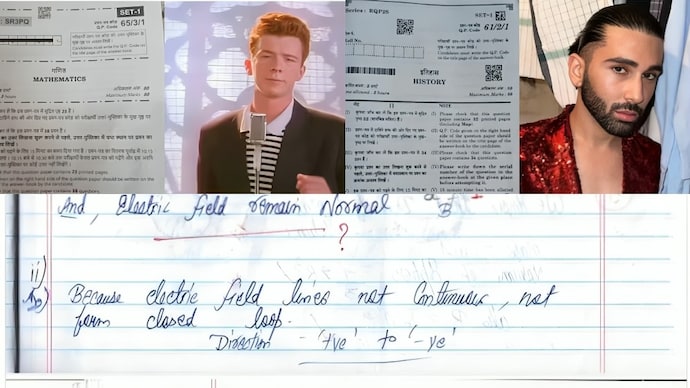
From a Rick Roll surprise in a Class 12 Maths paper to an Orry-linked QR code in a History paper, and now glitches in the On-Screen Marking (OSM) system, CBSE’s digital examination and evaluation process has been hit by a series of technical controversies that have repeatedly put it under scrutiny.
Each incident may have been different in nature, but together they have raised questions among students about the reliability and consistency of the digital tools being used in exams and result processing.
CBSE’s move towards technology-driven examinations has come under repeated spotlight this year, not just for its scale but for a series of unexpected glitches that have gone viral.
THE RICK ROLL THAT WENT VIRAL
The first major controversy emerged during the Class 12 Maths examination when students claimed that scanning a QR code printed in the paper redirected them to Rick Astley’s iconic song Never Gonna Give You Up.
The internet quickly labelled it a “Rick Roll”, turning an exam hall moment into a viral talking point.
The claim spread rapidly across social media, with students sharing screenshots and reactions. CBSE later clarified that the QR codes were part of the question paper design and that there was no compromise in exam security or integrity.
The board maintained that the evaluation process remained unaffected and that the content circulating online was being misinterpreted.
THE ORRY QR CODE CONTROVERSY
Soon after, a similar issue surfaced in the Class 12 History paper. Students alleged that another QR code led to content linked to social media personality Orry.
The claim once again gained traction online, adding to confusion during the examination period.
CBSE responded with a clarification, stating that the question paper was prepared under strict security protocols and that there was no unauthorised or external content embedded in the examination material.
The board reiterated that the design of the paper complied with established guidelines.
OSM: WHERE THE BIGGER PROBLEM BEGINS
While the QR code controversies were largely limited to exam-day confusion, the issues surrounding CBSE's On-Screen Marking (OSM) system have directly affected students seeking post-result support.
Under CBSE's On-Screen Marking system, students must first obtain scanned copies of their answer sheets before applying for verification or re-evaluation.
However, several students reported receiving blurred or faded scans, missing pages, incomplete answer books, and even answer sheets that appeared mixed up with other subjects. Others complained of portal glitches and delays in accessing their copies despite successful applications.
As complaints mounted, the OSM controversy shifted the focus from exam-day glitches to concerns over the reliability of CBSE's digital evaluation and post-result systems.
BETWEEN DIGITAL PROMISE AND STUDENT EXPERIENCE
CBSE has consistently maintained that its systems are secure and functioning as intended, but the repeated nature of these incidents has widened the trust gap.
From viral QR code claims to current OSM delays, students say the digital shift in examinations still feels uneven in execution.
As CBSE continues to expand its tech-driven exam and evaluation systems, the pressure is now on ensuring that reliability matches scale, both inside the exam hall and beyond it.
From a Rick Roll surprise in a Class 12 Maths paper to an Orry-linked QR code in a History paper, and now glitches in the On-Screen Marking (OSM) system, CBSE’s digital examination and evaluation process has been hit by a series of technical controversies that have repeatedly put it under scrutiny.
Each incident may have been different in nature, but together they have raised questions among students about the reliability and consistency of the digital tools being used in exams and result processing.
CBSE’s move towards technology-driven examinations has come under repeated spotlight this year, not just for its scale but for a series of unexpected glitches that have gone viral.
THE RICK ROLL THAT WENT VIRAL
The first major controversy emerged during the Class 12 Maths examination when students claimed that scanning a QR code printed in the paper redirected them to Rick Astley’s iconic song Never Gonna Give You Up.
The internet quickly labelled it a “Rick Roll”, turning an exam hall moment into a viral talking point.
The claim spread rapidly across social media, with students sharing screenshots and reactions. CBSE later clarified that the QR codes were part of the question paper design and that there was no compromise in exam security or integrity.
The board maintained that the evaluation process remained unaffected and that the content circulating online was being misinterpreted.
THE ORRY QR CODE CONTROVERSY
Soon after, a similar issue surfaced in the Class 12 History paper. Students alleged that another QR code led to content linked to social media personality Orry.
The claim once again gained traction online, adding to confusion during the examination period.
CBSE responded with a clarification, stating that the question paper was prepared under strict security protocols and that there was no unauthorised or external content embedded in the examination material.
The board reiterated that the design of the paper complied with established guidelines.
OSM: WHERE THE BIGGER PROBLEM BEGINS
While the QR code controversies were largely limited to exam-day confusion, the issues surrounding CBSE's On-Screen Marking (OSM) system have directly affected students seeking post-result support.
Under CBSE's On-Screen Marking system, students must first obtain scanned copies of their answer sheets before applying for verification or re-evaluation.
However, several students reported receiving blurred or faded scans, missing pages, incomplete answer books, and even answer sheets that appeared mixed up with other subjects. Others complained of portal glitches and delays in accessing their copies despite successful applications.
As complaints mounted, the OSM controversy shifted the focus from exam-day glitches to concerns over the reliability of CBSE's digital evaluation and post-result systems.
BETWEEN DIGITAL PROMISE AND STUDENT EXPERIENCE
CBSE has consistently maintained that its systems are secure and functioning as intended, but the repeated nature of these incidents has widened the trust gap.
From viral QR code claims to current OSM delays, students say the digital shift in examinations still feels uneven in execution.
As CBSE continues to expand its tech-driven exam and evaluation systems, the pressure is now on ensuring that reliability matches scale, both inside the exam hall and beyond it.

