Student suicide crisis: Supreme Court task force visits 30 colleges across 10 states
The Supreme Court-appointed task force has visited 30 higher education institutions across 10 states and held 25 consultations on student mental health and suicides. The review is examining discrimination, stress and support gaps to guide reforms for safer campuses.
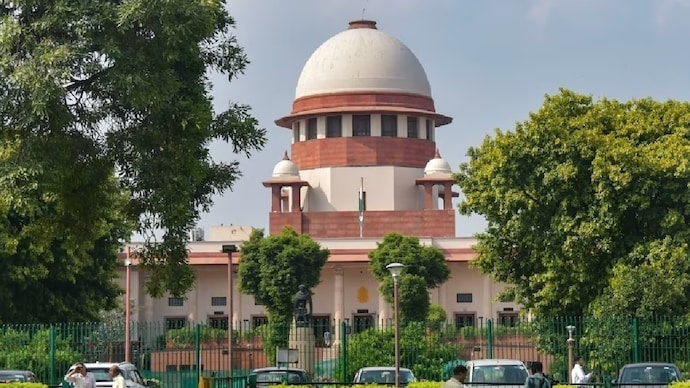
The Supreme Court-appointed National Task Force (NTF) on student mental health and suicide prevention has visited 30 higher education institutions across 10 states since May 2025, officials said on Tuesday.
The visits are part of a wider effort to understand institutional realities on the ground and assess the conditions contributing to rising concerns around student mental health in campuses across the country.
Alongside these field visits, the task force has also conducted 25 stakeholder consultations involving students, faculty members, mental health experts and civil society organisations.
WHAT THE PANEL IS LOOKING AT
According to officials, the consultations have covered a wide range of issues, including disability inclusion, caste-based discrimination in higher education, gender-related stress, and the specific challenges faced by students from Scheduled Tribe (ST) and Other Backward Classes (OBC) communities.
The panel is also examining broader concerns such as student suicides, the decriminalisation of suicide, and the role of institutional support systems in preventing mental health crises.
Mental health NGOs and law students have also been part of the discussions, adding legal and ground-level perspectives to the ongoing review.
WHY THE TASK FORCE WAS SET UP
The NTF was constituted by the Supreme Court in response to the rising incidence of student suicides in higher education institutions. Its mandate is to identify the root causes behind such cases and examine whether existing laws, policies and institutional frameworks are adequate.
The panel has been tasked with recommending reforms to improve accountability mechanisms, strengthen preventive systems, and ensure a more inclusive and supportive academic environment.
It is also expected to suggest measures to bridge gaps in existing structures and promote equal opportunities for students from marginalised communities.
TOWARDS A SAFER CAMPUS ENVIRONMENT
Officials said the task force is focusing on both structural and social factors that affect student well-being, including academic pressure, discrimination, lack of counselling support and gaps in institutional response systems.
The findings from these visits and consultations are expected to play a key role in shaping future policy interventions aimed at making campuses safer and more supportive for students across India.
(With PTI inputs)
The Supreme Court-appointed National Task Force (NTF) on student mental health and suicide prevention has visited 30 higher education institutions across 10 states since May 2025, officials said on Tuesday.
The visits are part of a wider effort to understand institutional realities on the ground and assess the conditions contributing to rising concerns around student mental health in campuses across the country.
Alongside these field visits, the task force has also conducted 25 stakeholder consultations involving students, faculty members, mental health experts and civil society organisations.
WHAT THE PANEL IS LOOKING AT
According to officials, the consultations have covered a wide range of issues, including disability inclusion, caste-based discrimination in higher education, gender-related stress, and the specific challenges faced by students from Scheduled Tribe (ST) and Other Backward Classes (OBC) communities.
The panel is also examining broader concerns such as student suicides, the decriminalisation of suicide, and the role of institutional support systems in preventing mental health crises.
Mental health NGOs and law students have also been part of the discussions, adding legal and ground-level perspectives to the ongoing review.
WHY THE TASK FORCE WAS SET UP
The NTF was constituted by the Supreme Court in response to the rising incidence of student suicides in higher education institutions. Its mandate is to identify the root causes behind such cases and examine whether existing laws, policies and institutional frameworks are adequate.
The panel has been tasked with recommending reforms to improve accountability mechanisms, strengthen preventive systems, and ensure a more inclusive and supportive academic environment.
It is also expected to suggest measures to bridge gaps in existing structures and promote equal opportunities for students from marginalised communities.
TOWARDS A SAFER CAMPUS ENVIRONMENT
Officials said the task force is focusing on both structural and social factors that affect student well-being, including academic pressure, discrimination, lack of counselling support and gaps in institutional response systems.
The findings from these visits and consultations are expected to play a key role in shaping future policy interventions aimed at making campuses safer and more supportive for students across India.
(With PTI inputs)

