UPSC wants smarter exams: AI face checks, digital records and random panels
As recruitment bodies face growing challenges in securing large-scale examinations, the UPSC has brought state public service commissions together to share solutions. Its chairman says technology must be used to prevent malpractice and protect the fairness of the selection process.
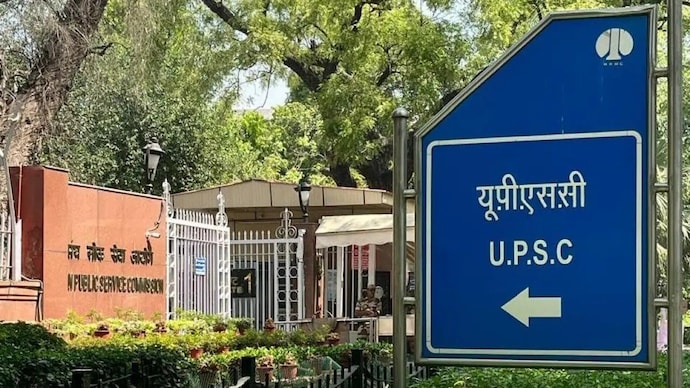
“When technology beats the system, the only way is to use more technology to keep a check on them,” Union Public Service Commission (UPSC) chairman Ajay Kumar said on Monday, underlining the need for stronger safeguards to prevent examination malpractice and protect the fairness of government recruitment.
Speaking at a one-day workshop for secretaries of state public service commissions, Kumar said technology must be used to ensure that examinations remain fair, transparent and secure. The event brought together senior officials from state commissions to identify operational hurdles, exchange solutions and work towards common administrative standards.
The workshop comes as recruitment bodies face the challenge of conducting large-scale examinations securely while preventing the misuse of technology.
AI FACE CHECKS TO RANDOM INTERVIEW PANELS
Kumar outlined several initiatives introduced by the UPSC to strengthen its recruitment process. These include artificial intelligence-enabled facial authentication of candidates at examination centres, a universal registration number for applicants and digitisation of departmental promotion committee proposals.
The Commission has also introduced computerised random allocation of interview boards. These measures are aimed at improving transparency and strengthening safeguards at different stages of recruitment.
Kumar said Prime Minister Narendra Modi had emphasised the need for public service commissions to share best practices during the UPSC's centenary celebrations. He described the workshop as a step towards realising that vision.
STATES HAVE SOLUTIONS TO SHARE TOO
UPSC secretary Shashi Ranjan Kumar said the workshop was not meant to be a one-way training exercise, but an opportunity for officials facing similar responsibilities to learn from one another.
“It is a gathering of colleagues who perform the same responsibilities in different circumstances, under the same constitutional obligations,” he said.
He added that secretaries were responsible for ensuring recruitment mechanisms remained robust, legally sound, fair and technologically modern.
Several state commissions, he said, had developed effective practices for digitally processing applications, conducting examinations in regional languages and handling grievances. He urged them to contribute these approaches to a shared collection of best practices.
FOUR SESSIONS TO DISCUSS RECRUITMENT CHALLENGES
The workshop moved into four working sessions after the inaugural programme. UPSC branches dealing with examinations, recruitment, recruitment rules, and disciplinary and appeal cases presented their procedures and practices.
Each presentation was followed by an open discussion with officers from the state commissions.
The discussions focused on improving coordination, strengthening recruitment administration and using technology to make examinations more secure, transparent and fair. The broader aim was to help public service commissions learn from one another while addressing the practical challenges of conducting large-scale recruitment across the country.

