Australia hikes student visa fee by 25% again, studying abroad just got costlier
Australia has increased its Student Visa (Subclass 500) fee to AUD 2,500 from July 1, 2026, marking the second consecutive annual hike. The revised charges, along with higher Temporary Graduate Visa fees, are expected to increase the cost of studying in Australia for Indian and other international students.
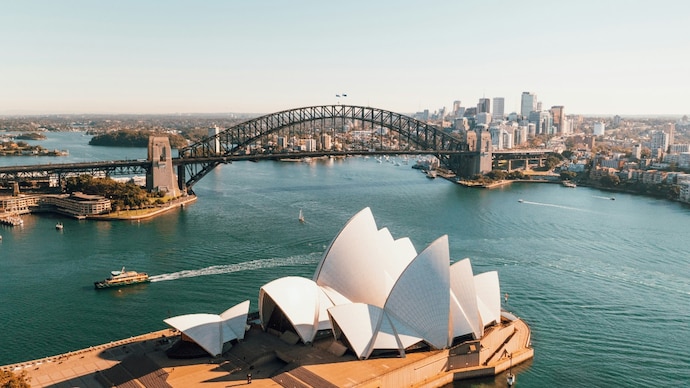
Planning to study in Australia has become even more expensive.
The Australian government has increased the application fee for the Student Visa (Subclass 500) from AUD 2,000 to AUD 2,500, with the revised charges taking effect from July 1, 2026. The move comes just a year after Australia raised the same visa fee from AUD 1,600 to AUD 2,000, marking the second straight annual increase.
The latest revision is expected to directly affect thousands of Indian students, who remain among the largest groups choosing Australia for higher education.
WHAT HAS CHANGED?
The revised visa charges are:
| Visa | Previous fee | New fee |
|---|---|---|
| Student Visa (Subclass 500) | AUD 2,000 | AUD 2,500 |
| Temporary Graduate Visa (Subclass 485) | AUD 4,600 | AUD 5,750 |
| ELICOS student visa category | Standard fee | AUD 2,050 |
The Australian Department of Home Affairs updated the new visa application charges from July 1 as part of its annual fee revision.
WHAT IT MEANS FOR INDIAN STUDENTS
The higher visa fee adds another upfront expense for students already budgeting for tuition fees, accommodation, health insurance and travel.
The increase also raises the financial risk for unsuccessful applicants because visa application charges are generally non-refundable.
Students planning to stay back and work after graduation will also need to budget for the higher Temporary Graduate Visa (Subclass 485) fee, which has risen to AUD 5,750.
PART OF A BROADER MIGRATION POLICY
The fee hike comes as Australia continues tightening its international education and migration framework.
Alongside higher visa charges, the government has also maintained tighter controls on international student numbers and says the measures are intended to create a more sustainable education and migration system.
For prospective students, however, the immediate impact is simple: studying in Australia now comes with a significantly higher entry cost than it did just a year ago.
Planning to study in Australia has become even more expensive.
The Australian government has increased the application fee for the Student Visa (Subclass 500) from AUD 2,000 to AUD 2,500, with the revised charges taking effect from July 1, 2026. The move comes just a year after Australia raised the same visa fee from AUD 1,600 to AUD 2,000, marking the second straight annual increase.
The latest revision is expected to directly affect thousands of Indian students, who remain among the largest groups choosing Australia for higher education.
WHAT HAS CHANGED?
The revised visa charges are:
| Visa | Previous fee | New fee |
|---|---|---|
| Student Visa (Subclass 500) | AUD 2,000 | AUD 2,500 |
| Temporary Graduate Visa (Subclass 485) | AUD 4,600 | AUD 5,750 |
| ELICOS student visa category | Standard fee | AUD 2,050 |
The Australian Department of Home Affairs updated the new visa application charges from July 1 as part of its annual fee revision.
WHAT IT MEANS FOR INDIAN STUDENTS
The higher visa fee adds another upfront expense for students already budgeting for tuition fees, accommodation, health insurance and travel.
The increase also raises the financial risk for unsuccessful applicants because visa application charges are generally non-refundable.
Students planning to stay back and work after graduation will also need to budget for the higher Temporary Graduate Visa (Subclass 485) fee, which has risen to AUD 5,750.
PART OF A BROADER MIGRATION POLICY
The fee hike comes as Australia continues tightening its international education and migration framework.
Alongside higher visa charges, the government has also maintained tighter controls on international student numbers and says the measures are intended to create a more sustainable education and migration system.
For prospective students, however, the immediate impact is simple: studying in Australia now comes with a significantly higher entry cost than it did just a year ago.

