Explained: How the Election Commission secures EVMs
The Trinamool Congress's allegation of EVM manipulation ahead of May 4 counting has renewed attention on how the Election Commission handles voting machines. The process involves candidate representatives, sealed strong rooms, layered security and checks through counting day.
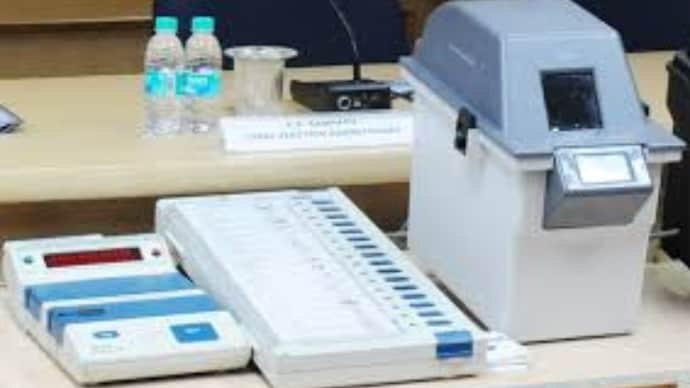
With the Trinamool Congress alleging ‘EVM manipulation’ after the second phase of polling on April 29, there is renewed focus on how the Election Commission of India secures these voting machines.
EVMs and VVPAT machines are handled through a detailed and transparent process governed by strict rules at every stage until the counting of votes. These procedures, laid down under the Representation of the People Act, are designed to ensure the sanctity and transparency of both voting and counting.
To make the process foolproof, authorised representatives of all candidates are involved at every stage and certify its integrity with their signatures.
ON THE DAY OF POLLING
Before polling begins, representatives of all candidates verify the proper functioning of EVMs through a mock poll. After being satisfied, they sign Form 17A, which also records details including the machine’s serial number.
Once voting concludes, the EVMs are sealed in the presence of candidates’ agents, who again sign to confirm the process.
When the machines are moved to the strong room, authorised counting agents of all candidates verify the details, including matching EVM numbers with those recorded in Form 17, before signing off.
ONCE VOTING IS OVER
The machines are then kept under a three-tier security system. The innermost layer houses the machines inside the strong room, which remains sealed until they are taken out for counting.
In the event of an emergency, the strong room can be opened only in the presence of candidates’ representatives and district election officials, with the process documented through their signatures. There have been instances where strong rooms were opened due to short circuits or fire, following the same procedure.
INSIDE THE STRONG ROOM
The strong room is secured by multiple layers. The innermost layer is guarded by central armed police forces and monitored round the clock through CCTV. Personnel are on strict duty rotations, with shifts changing every two hours.
The second layer includes paramilitary forces and tents set up by candidates’ representatives, where they can monitor live CCTV footage on large screens. Any maintenance activity, such as battery replacement, is also communicated to them.
The outermost layer is secured by the state police. Entry requires an authorisation letter from the candidate along with a QR code-based identity card issued by the Election Commission.
ON THE DAY OF COUNTING
On counting day, when the strong room is opened, candidates’ agents are present to verify the seals and match machine numbers before they are moved to the counting hall.
At every stage of counting, representatives of candidates witness the process and certify it with their signatures.
Now, all eyes will be on May 4, when votes will be counted for 294 constituencies across West Bengal.
With the Trinamool Congress alleging ‘EVM manipulation’ after the second phase of polling on April 29, there is renewed focus on how the Election Commission of India secures these voting machines.
EVMs and VVPAT machines are handled through a detailed and transparent process governed by strict rules at every stage until the counting of votes. These procedures, laid down under the Representation of the People Act, are designed to ensure the sanctity and transparency of both voting and counting.
To make the process foolproof, authorised representatives of all candidates are involved at every stage and certify its integrity with their signatures.
ON THE DAY OF POLLING
Before polling begins, representatives of all candidates verify the proper functioning of EVMs through a mock poll. After being satisfied, they sign Form 17A, which also records details including the machine’s serial number.
Once voting concludes, the EVMs are sealed in the presence of candidates’ agents, who again sign to confirm the process.
When the machines are moved to the strong room, authorised counting agents of all candidates verify the details, including matching EVM numbers with those recorded in Form 17, before signing off.
ONCE VOTING IS OVER
The machines are then kept under a three-tier security system. The innermost layer houses the machines inside the strong room, which remains sealed until they are taken out for counting.
In the event of an emergency, the strong room can be opened only in the presence of candidates’ representatives and district election officials, with the process documented through their signatures. There have been instances where strong rooms were opened due to short circuits or fire, following the same procedure.
INSIDE THE STRONG ROOM
The strong room is secured by multiple layers. The innermost layer is guarded by central armed police forces and monitored round the clock through CCTV. Personnel are on strict duty rotations, with shifts changing every two hours.
The second layer includes paramilitary forces and tents set up by candidates’ representatives, where they can monitor live CCTV footage on large screens. Any maintenance activity, such as battery replacement, is also communicated to them.
The outermost layer is secured by the state police. Entry requires an authorisation letter from the candidate along with a QR code-based identity card issued by the Election Commission.
ON THE DAY OF COUNTING
On counting day, when the strong room is opened, candidates’ agents are present to verify the seals and match machine numbers before they are moved to the counting hall.
At every stage of counting, representatives of candidates witness the process and certify it with their signatures.
Now, all eyes will be on May 4, when votes will be counted for 294 constituencies across West Bengal.

