House of the Dragon 3 Episode 1-2 review: Westeros finally remembers how to burn
The first two episodes finally bring the Dance of the Dragons to life with powerful performances and gripping political drama. House of the Dragon Season 3 delivers its strongest start yet.
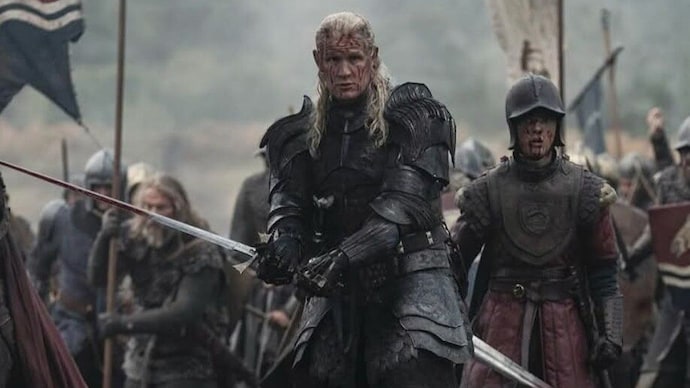
Nobody can accuse House of the Dragon of rushing into war. Because the dragons have finally arrived in full glory!
For two seasons, Westeros held meetings about meetings as councils debated strategy. Ravens flew and threats were issued. Dragons teased something but by the end of Season 2, even the most loyal fans were beginning to wonder whether the Dance of the Dragons had been misplaced somewhere between Dragonstone and King’s Landing.
The first two episodes of Season 3 make it abundantly clear that the wait is over. F.I.N.A.L.L.Y!
But if you’re expecting a straightforward season of dragon-on-dragon carnage, HBO’s fantasy epic has other ideas. The most striking thing about the new season isn’t the scale of the war. It’s how deeply uninterested the show remains in treating war as spectacle.
Instead, these opening episodes play like the aftermath of a tragedy that hasn’t finished happening yet.
Picking up after the events of Season 2, the series finds both the Blacks and the Greens operating under the illusion that they are still making choices. In reality, most of them are simply responding to consequences. Luke’s death may have lit the fuse, but Season 3 is interested in examining the people standing closest to the explosion. That focus gives the season opener a confidence that occasionally felt absent last year.
One of House of the Dragon’s greatest strengths has always been its understanding that the Targaryen civil war isn’t really about succession. The throne is merely the excuse. The real story is about inheritance, not of power, but of resentment.
Every major character is carrying a wound someone else created. Rhaenyra inherits Viserys’ impossible expectations. Alicent inherits Otto Hightower’s ambition. Aegon inherits a crown he never seemed particularly suited for. Even the dragons, in a sense, inherit a conflict they did not create. Season 3 leans heavily into that idea, and the result is some of the show’s richest character work to date.
Emma D’Arcy continues to prove why Rhaenyra remains the emotional centre of the series. What makes the performance so compelling is its refusal to romanticise leadership. This is not a queen rising to power. This is a woman discovering that power often arrives disguised as isolation.
D’Arcy plays Rhaenyra with a quiet exhaustion that feels earned rather than performative. Every decision appears weighed down by grief. Every moment of authority feels accompanied by doubt.
Across the board, Olivia Cooke remains equally fascinating as Alicent. If House of the Dragon has a secret weapon, it is the complicated relationship between these two women. Long after politics, armies and dragons have entered the picture, the emotional core of the series remains the friendship that shattered under the weight of history. Season 3 wisely refuses to abandon that tension.
Cooke continues to bring remarkable humanity to a character who could easily have become a symbol rather than a person.
Meanwhile, Matt Smith finally gets to stop wandering through haunted castles and prophetic visions.
After a second season that often sidelined Daemon into his own psychological spin-off, the character feels reconnected to the story’s central conflict. Smith remains one of the few actors capable of making recklessness look strategic and strategy look reckless.
The dragons, of course, are magnificent. They are also almost beside the point.
The visual effects remain extraordinary, and the opening episodes offer enough glimpses of the destruction to come without turning the season into an endless showcase of CGI spectacle. What separates House of the Dragon from lesser fantasy series is its understanding that dragons only matter when the people riding them do. And that remains true here.
The show’s most effective scenes involve conversations, not battles. A look exchanged across a room or a disagreement between allies. A moment of hesitation before a decision that cannot be undone.
The tension comes not from wondering who will win. It comes from knowing that nobody truly can.
That isn’t to say the season is flawless. The sprawling cast remains both a strength and a challenge. If you are not familiar with the universe, you may still find yourself consulting family trees after certain scenes, and some supporting players continue to feel more important to the lore than to the actual drama unfolding on screen.
There are also moments where the series’ commitment to political complexity risks slowing momentum. But unlike previous seasons, those moments feel intentional rather than accidental.
The first two episodes understand something crucial about George R.R. Martin’s world: wars are rarely defined by the battles themselves. They are defined by the people convincing themselves that the next terrible decision is somehow necessary. That’s where House of the Dragon thrives.
Not in the fire. Certainly not in the dragons. But in watching intelligent people slowly mistake vengeance for duty and grief for destiny.
The Dance of the Dragons has finally begun. The tragedy is that everyone already seems to know how it ends.
House of the Dragon premieres on June 22 in India, and is available on Jio Hotstar. New episodes will drop every Monday following the premiere episode.
Nobody can accuse House of the Dragon of rushing into war. Because the dragons have finally arrived in full glory!
For two seasons, Westeros held meetings about meetings as councils debated strategy. Ravens flew and threats were issued. Dragons teased something but by the end of Season 2, even the most loyal fans were beginning to wonder whether the Dance of the Dragons had been misplaced somewhere between Dragonstone and King’s Landing.
The first two episodes of Season 3 make it abundantly clear that the wait is over. F.I.N.A.L.L.Y!
But if you’re expecting a straightforward season of dragon-on-dragon carnage, HBO’s fantasy epic has other ideas. The most striking thing about the new season isn’t the scale of the war. It’s how deeply uninterested the show remains in treating war as spectacle.
Instead, these opening episodes play like the aftermath of a tragedy that hasn’t finished happening yet.
Picking up after the events of Season 2, the series finds both the Blacks and the Greens operating under the illusion that they are still making choices. In reality, most of them are simply responding to consequences. Luke’s death may have lit the fuse, but Season 3 is interested in examining the people standing closest to the explosion. That focus gives the season opener a confidence that occasionally felt absent last year.
One of House of the Dragon’s greatest strengths has always been its understanding that the Targaryen civil war isn’t really about succession. The throne is merely the excuse. The real story is about inheritance, not of power, but of resentment.
Every major character is carrying a wound someone else created. Rhaenyra inherits Viserys’ impossible expectations. Alicent inherits Otto Hightower’s ambition. Aegon inherits a crown he never seemed particularly suited for. Even the dragons, in a sense, inherit a conflict they did not create. Season 3 leans heavily into that idea, and the result is some of the show’s richest character work to date.
Emma D’Arcy continues to prove why Rhaenyra remains the emotional centre of the series. What makes the performance so compelling is its refusal to romanticise leadership. This is not a queen rising to power. This is a woman discovering that power often arrives disguised as isolation.
D’Arcy plays Rhaenyra with a quiet exhaustion that feels earned rather than performative. Every decision appears weighed down by grief. Every moment of authority feels accompanied by doubt.
Across the board, Olivia Cooke remains equally fascinating as Alicent. If House of the Dragon has a secret weapon, it is the complicated relationship between these two women. Long after politics, armies and dragons have entered the picture, the emotional core of the series remains the friendship that shattered under the weight of history. Season 3 wisely refuses to abandon that tension.
Cooke continues to bring remarkable humanity to a character who could easily have become a symbol rather than a person.
Meanwhile, Matt Smith finally gets to stop wandering through haunted castles and prophetic visions.
After a second season that often sidelined Daemon into his own psychological spin-off, the character feels reconnected to the story’s central conflict. Smith remains one of the few actors capable of making recklessness look strategic and strategy look reckless.
The dragons, of course, are magnificent. They are also almost beside the point.
The visual effects remain extraordinary, and the opening episodes offer enough glimpses of the destruction to come without turning the season into an endless showcase of CGI spectacle. What separates House of the Dragon from lesser fantasy series is its understanding that dragons only matter when the people riding them do. And that remains true here.
The show’s most effective scenes involve conversations, not battles. A look exchanged across a room or a disagreement between allies. A moment of hesitation before a decision that cannot be undone.
The tension comes not from wondering who will win. It comes from knowing that nobody truly can.
That isn’t to say the season is flawless. The sprawling cast remains both a strength and a challenge. If you are not familiar with the universe, you may still find yourself consulting family trees after certain scenes, and some supporting players continue to feel more important to the lore than to the actual drama unfolding on screen.
There are also moments where the series’ commitment to political complexity risks slowing momentum. But unlike previous seasons, those moments feel intentional rather than accidental.
The first two episodes understand something crucial about George R.R. Martin’s world: wars are rarely defined by the battles themselves. They are defined by the people convincing themselves that the next terrible decision is somehow necessary. That’s where House of the Dragon thrives.
Not in the fire. Certainly not in the dragons. But in watching intelligent people slowly mistake vengeance for duty and grief for destiny.
The Dance of the Dragons has finally begun. The tragedy is that everyone already seems to know how it ends.
House of the Dragon premieres on June 22 in India, and is available on Jio Hotstar. New episodes will drop every Monday following the premiere episode.

