Lock Upp: Why Harshad Chopda's remark on gay men is bigger than any reality TV row
Harshad Chopda's remarks about gay men on Lock Upp have triggered criticism online. The row has widened into a debate on homophobia, accountability and the show's response.
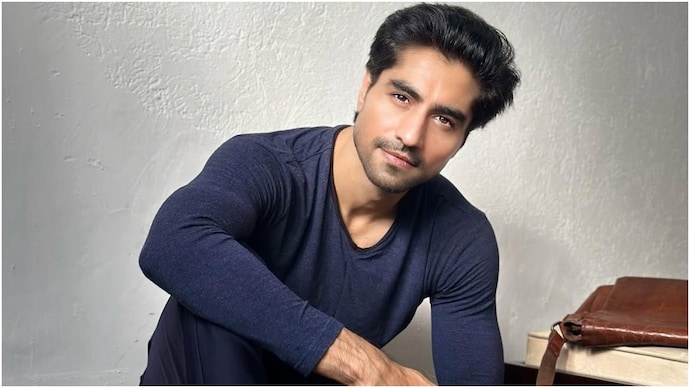
Reality shows promise to reveal celebrities without the filters of scripted dialogues, fictional characters or carefully curated PR-approved statements. Sometimes that leads to vulnerable conversations, sometimes entertaining television, and occasionally, it exposes prejudices that continue to exist in society. Harshad Chopda's recent remarks about gay men on the reality TV show Lock Upp Season 2 fall into the last category. What it has triggered is turning out to be bigger than one actor, one reality show or one controversy.
Foremost, the irony couldn't have been more glaring. Moments before his first instance on Tuesday's episode, Harshad, along with fellow inmates Shivangi Joshi and Shreya Kalra, was listening to queer content creator Sufi Motiwala speak about growing up feeling unsafe because of his identity. Sufi also discussed the pain of being around homophobes, who try to corner and bully him. The three comforted him, assured him that he was safe with them, and appeared genuinely empathetic.
Minutes later, Harshad, while speaking to Shreya, seemed unaware of what homophobia is. While implying that he may be scared of gay people, he also seemed unaffected that his prejudice falls under the same category. He did hint that he may have had past bad experiences with gays, probably when he entered the industry. Shreya was seen trying to reason that not every gay person would hit on him.
On Wednesday, while the inmates, as per the task, were discussing how a large percentage of people in India are still closeted homosexuals, Harshad was seen opening up to fellow actor and inmate Dheeraj Dhoopar about his first instance being that of fear around them. "I know of two or three people I am good with absolutely. Matlab meko unse darr bhi nahi lagta, kuch bhi nahi lagta (I am not scared of them). I think maybe I just take longer... but my first reaction is fear," he said.
He also shared an experience where he walked the ramp for someone but did not take any money for it, as the person was supposed to pay him at his home. He mentioned that he was uncomfortable and scared, and so would initially run away from such situations. Harshad, though, accepted that he had apologised to the concerned person for lying to avoid him. He said he didn't know how to deal with the situation. "I am not a confrontational person. Phattu zyada hoon (I am timid). Maybe it takes me longer... and mujhe darr...," he said while mouthing the next word to Dheeraj in silence.
As soon as the episode aired, the clip quickly flooded social media. Many queer users also shared personal accounts of hearing similar remarks growing up, saying the conversation reminded them how easily prejudice is still brushed off as a 'personal opinion'. The internet also called the remark homophobic and tone-deaf, while his fans argued that his words had been taken out of context. That he never intended to offend anyone, and that perhaps personal experiences had shaped his views. But intent isn't the only issue here; the impact is.
What makes the incident even more significant is the platform. Lock Upp is streaming on Netflix, making it accessible not just in India but across the world. Indian entertainment has spent years celebrating its growing global footprint, with creators proudly talking about international audiences embracing local stories. That also means our conversations, attitudes and biases travel just as quickly. A casual remark made inside a reality show house in India is no longer limited to domestic viewers. It becomes part of a much larger conversation about the values our entertainment industry and its artists reflect.
There is also a difference between saying you have had an unpleasant experience with an individual and declaring that you are 'scared' of gays. The latter turns an entire community into something to be feared. To her credit, Shreya Kalra tried explaining why such a sweeping statement was problematic. She also pointed out that assuming every gay man wants to hit on him was both unfair and rooted in a harmful stereotype. And then, in contrast, Dheeraj Dhoopar spoke about gay people with complete ease, making Harshad's hushed, anxious tone stand out even more.
The comment is especially troubling because it feeds into one of the oldest stereotypes about queer men: that they are somehow threatening or predatory simply because of their identity.
For decades, members of the LGBTQIA+ community have fought the assumption that every gay man is interested in every straight man or that their presence should automatically make others uncomfortable. These are not harmless myths; they have fuelled bullying, discrimination, exclusion and shame for generations. And when a celebrity repeats them, even unintentionally, they gain a legitimacy they simply do not deserve.
To be fair, Harshad has spoken openly on the show about carrying emotional baggage after his former girlfriend cheated on him with his best friend, an experience that deeply affected his ability to trust people. If his views stem from difficult personal experiences, they deserve empathy. But empathy cannot come at the cost of accountability. Personal experiences cannot justify sweeping generalisations about an entire community. Sexual orientation deserves the same respect as religion, caste, race and gender.
The entertainment industry has increasingly embraced queer stories, actors and pride campaigns. But representation cannot exist only when it is commercially rewarding. Inclusivity also has to extend to the language public figures choose, especially on platforms that reach millions across the globe. None of this, however, means Harshad Chopda should be permanently defined by one statement. Public figures can learn, apologise and evolve. But growth begins with acknowledging that the remark was problematic in the first place.
The online reaction also reveals how divided we remain on conversations around queerness. While many criticised the actor and demanded accountability, others insisted people were being 'too sensitive' or 'too critical' and urged everyone to understand his perspective. That defence is perhaps more concerning than the original remark because it suggests that casual homophobia is still viewed as an acceptable opinion rather than a harmful stereotype.
While social media continues to debate Harshad Chopda's statement, the spotlight is now on the show's makers. With Riteish Deshmukh and Farah Khan serving as jailers, and Kangana Ranaut returning as 'Janta Ki Awaaz' this weekend, it remains to be seen whether the remark is addressed on the show or quietly brushed aside. Interestingly, every episode begins with a disclaimer stating that the views expressed by contestants are their own and do not reflect those of the makers. That may absolve the platform of legal responsibility, but not necessarily of moral responsibility.
Whether Lock Upp chooses to confront the remark or quietly move on will say as much about the show as Harshad's words did about him. But in 2026, the bigger concern isn't that one actor made an insensitive remark. It's that so many people still don't see why it was insensitive at all.
Views expressed in this opinion piece are those of the author.
Reality shows promise to reveal celebrities without the filters of scripted dialogues, fictional characters or carefully curated PR-approved statements. Sometimes that leads to vulnerable conversations, sometimes entertaining television, and occasionally, it exposes prejudices that continue to exist in society. Harshad Chopda's recent remarks about gay men on the reality TV show Lock Upp Season 2 fall into the last category. What it has triggered is turning out to be bigger than one actor, one reality show or one controversy.
Foremost, the irony couldn't have been more glaring. Moments before his first instance on Tuesday's episode, Harshad, along with fellow inmates Shivangi Joshi and Shreya Kalra, was listening to queer content creator Sufi Motiwala speak about growing up feeling unsafe because of his identity. Sufi also discussed the pain of being around homophobes, who try to corner and bully him. The three comforted him, assured him that he was safe with them, and appeared genuinely empathetic.
Minutes later, Harshad, while speaking to Shreya, seemed unaware of what homophobia is. While implying that he may be scared of gay people, he also seemed unaffected that his prejudice falls under the same category. He did hint that he may have had past bad experiences with gays, probably when he entered the industry. Shreya was seen trying to reason that not every gay person would hit on him.
On Wednesday, while the inmates, as per the task, were discussing how a large percentage of people in India are still closeted homosexuals, Harshad was seen opening up to fellow actor and inmate Dheeraj Dhoopar about his first instance being that of fear around them. "I know of two or three people I am good with absolutely. Matlab meko unse darr bhi nahi lagta, kuch bhi nahi lagta (I am not scared of them). I think maybe I just take longer... but my first reaction is fear," he said.
He also shared an experience where he walked the ramp for someone but did not take any money for it, as the person was supposed to pay him at his home. He mentioned that he was uncomfortable and scared, and so would initially run away from such situations. Harshad, though, accepted that he had apologised to the concerned person for lying to avoid him. He said he didn't know how to deal with the situation. "I am not a confrontational person. Phattu zyada hoon (I am timid). Maybe it takes me longer... and mujhe darr...," he said while mouthing the next word to Dheeraj in silence.
As soon as the episode aired, the clip quickly flooded social media. Many queer users also shared personal accounts of hearing similar remarks growing up, saying the conversation reminded them how easily prejudice is still brushed off as a 'personal opinion'. The internet also called the remark homophobic and tone-deaf, while his fans argued that his words had been taken out of context. That he never intended to offend anyone, and that perhaps personal experiences had shaped his views. But intent isn't the only issue here; the impact is.
What makes the incident even more significant is the platform. Lock Upp is streaming on Netflix, making it accessible not just in India but across the world. Indian entertainment has spent years celebrating its growing global footprint, with creators proudly talking about international audiences embracing local stories. That also means our conversations, attitudes and biases travel just as quickly. A casual remark made inside a reality show house in India is no longer limited to domestic viewers. It becomes part of a much larger conversation about the values our entertainment industry and its artists reflect.
There is also a difference between saying you have had an unpleasant experience with an individual and declaring that you are 'scared' of gays. The latter turns an entire community into something to be feared. To her credit, Shreya Kalra tried explaining why such a sweeping statement was problematic. She also pointed out that assuming every gay man wants to hit on him was both unfair and rooted in a harmful stereotype. And then, in contrast, Dheeraj Dhoopar spoke about gay people with complete ease, making Harshad's hushed, anxious tone stand out even more.
The comment is especially troubling because it feeds into one of the oldest stereotypes about queer men: that they are somehow threatening or predatory simply because of their identity.
For decades, members of the LGBTQIA+ community have fought the assumption that every gay man is interested in every straight man or that their presence should automatically make others uncomfortable. These are not harmless myths; they have fuelled bullying, discrimination, exclusion and shame for generations. And when a celebrity repeats them, even unintentionally, they gain a legitimacy they simply do not deserve.
To be fair, Harshad has spoken openly on the show about carrying emotional baggage after his former girlfriend cheated on him with his best friend, an experience that deeply affected his ability to trust people. If his views stem from difficult personal experiences, they deserve empathy. But empathy cannot come at the cost of accountability. Personal experiences cannot justify sweeping generalisations about an entire community. Sexual orientation deserves the same respect as religion, caste, race and gender.
The entertainment industry has increasingly embraced queer stories, actors and pride campaigns. But representation cannot exist only when it is commercially rewarding. Inclusivity also has to extend to the language public figures choose, especially on platforms that reach millions across the globe. None of this, however, means Harshad Chopda should be permanently defined by one statement. Public figures can learn, apologise and evolve. But growth begins with acknowledging that the remark was problematic in the first place.
The online reaction also reveals how divided we remain on conversations around queerness. While many criticised the actor and demanded accountability, others insisted people were being 'too sensitive' or 'too critical' and urged everyone to understand his perspective. That defence is perhaps more concerning than the original remark because it suggests that casual homophobia is still viewed as an acceptable opinion rather than a harmful stereotype.
While social media continues to debate Harshad Chopda's statement, the spotlight is now on the show's makers. With Riteish Deshmukh and Farah Khan serving as jailers, and Kangana Ranaut returning as 'Janta Ki Awaaz' this weekend, it remains to be seen whether the remark is addressed on the show or quietly brushed aside. Interestingly, every episode begins with a disclaimer stating that the views expressed by contestants are their own and do not reflect those of the makers. That may absolve the platform of legal responsibility, but not necessarily of moral responsibility.
Whether Lock Upp chooses to confront the remark or quietly move on will say as much about the show as Harshad's words did about him. But in 2026, the bigger concern isn't that one actor made an insensitive remark. It's that so many people still don't see why it was insensitive at all.
Views expressed in this opinion piece are those of the author.

