Operation Safed Sagar: Ajay Ahuja and the Kargil story behind Siddharth's role
Actor Siddharth's aerial action series Operation Safed Sagar revisits Squadron Leader Ajay Ahuja's role in the Kargil War and the mission that cost him his life. His story endures through his Vir Chakra, the dispute over his death and his family's efforts to preserve his memory.
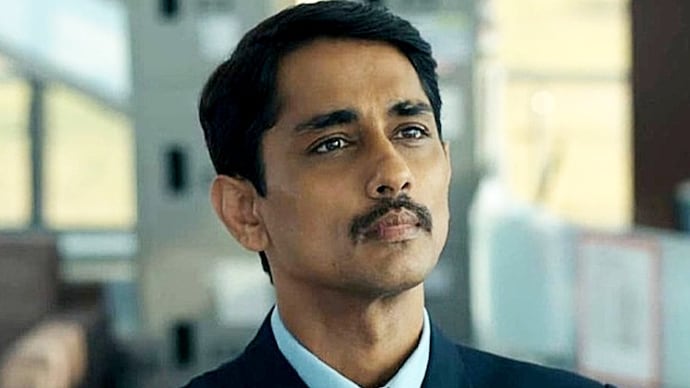
It's difficult to look at Siddharth as just a decorated pilot when he steps into the role of Squadron Leader Ajay Ahuja in Netflix's Operation Safed Sagar: The Untold Story of the Kargil War. Because when he appears on screen, he is portraying the life of an IAF officer whose final mission became one of the most contested episodes of the 1999 Kargil War.
Ahuja was the kind of pilot who knew exactly what he was doing, and exactly how dangerous it was. On May 27, 1999, when Flight Lieutenant K Nachiketa was forced to eject from his MiG-27 after an engine flame-out, Ahuja went looking for him. He had been warned about enemy surface-to-air missiles. He went anyway.
What happened next would cost him his life and turn him into one of the enduring names associated with the Indian Air Force's role in the Kargil War. But who was Ajay Ahuja, the man behind the uniform and the officer Siddharth now brings to the screen?
All about Squadron Leader Ajay Ahuja
Born on May 22, 1963, in Kota, Rajasthan, Ahuja was commissioned into the Indian Air Force as a fighter pilot in June 1985. Over the years, he flew frontline aircraft including the MiG-23 and different variants of the MiG-21.
He was not merely a pilot. Between 1996 and 1998, Ahuja served as a flying instructor at Air Force Station Tambaram, helping train the next generation of pilots. By the time the Kargil War began in 1999, he had clocked more than 1,000 hours of flying.
He was serving with No 17 Squadron, better known as the Golden Arrows, and had taken over as its Flight Commander. When the squadron was inducted into Srinagar as part of Operation Safed Sagar, Ahuja was already an experienced pilot with a significant responsibility on his shoulders.
In other words, he wasn't a young pilot finding his feet in the middle of a war. He was an experienced fighter pilot and instructor being asked to operate in some of the most challenging conditions of the conflict.
The mission that changed everything
May 27, 1999, began as another dangerous day in the Kargil conflict. No 17 Squadron had been tasked with a photo-reconnaissance mission over the Batalik sector.
Then Ahuja received word that Flight Lieutenant K Nachiketa had ejected from his MiG-27 after an engine flame-out near Muntho Dhalo. Ahuja changed his mission profile and headed towards the area to look for him.
There was a problem: he had been warned about surface-to-air missile fire in the area. He continued searching. Ahuja eventually identified what was believed to be the crash site. He sent the accompanying aircraft back to base but stayed behind to continue looking for Nachiketa.
It was then that his MiG-21 was hit by a Stinger surface-to-air missile. Ahuja ejected from the aircraft and transmitted his last known position. He did not return.
His body was recovered later, and his mortal remains were handed over to Indian authorities on May 28, 1999. According to the gallantry citation reproduced by Honour Point, his body bore two bullet injuries.
And that detail would become central to the controversy surrounding his death.
Why did Ahuja's death become controversial?
India and Pakistan gave sharply different accounts of what happened after Ahuja was ejected. Indian authorities maintained that Ahuja survived the ejection and was shot after landing. Pakistan denied the allegation. The circumstances surrounding his death therefore became a matter of serious dispute between the two countries.
For India, however, one thing was clear: Ahuja had continued searching for a fellow pilot despite being aware of the danger posed by enemy missile fire.
It was an act that would eventually form the heart of his gallantry citation. There was a family waiting for him. There is, of course, another side to Ahuja that doesn't involve aircraft, missiles or battle maps. He was a husband and father.
His wife, Alka Ahuja, has spoken about how deeply attached he was to the Air Force. In an interview with The Times of India, she recalled that he would jokingly call the IAF his "first love." It is a small detail, but it says something about the man behind the fighter pilot.
Ahuja's family has also played a role in keeping his memory alive. The makers of Operation Safed Sagar met his wife while developing the series, and his original wing badge was used as part of Siddharth’s portrayal of him.
So when Siddharth appears as Ahuja on screen, the character comes with more than a uniform and a rank. There is a real family, a real history and a real legacy behind him.
Why is Ajay Ahuja remembered?
Ahuja was posthumously awarded the Vir Chakra for his actions during the May 27 mission. His citation specifically recognised his decision to continue searching for a downed fellow officer despite the threat from enemy surface-to-air missiles.
That decision is essentially the story of Ahuja's final flight. He knew the risk. He went looking anyway. And that is why, more than 25 years after the Kargil War, his name continues to resonate.
For viewers discovering Ahuja through Operation Safed Sagar, he is not simply another name from a history book or another character in a war drama. He represents the fighter pilots who carried Operation Safed Sagar into some of the most difficult airspace of the conflict - and the personal cost that came with those missions.
The Netflix series revisits the Indian Air Force's role in the 1999 Kargil conflict, depicting the coordination between the IAF and the Indian Army amid an intense military confrontation. Operation Safed Sagar began on May 26, 1999, and went on to become one of the defining operations in the history of the Indian Air Force.
Created by Abhijeet Singh Parmar and Kushal Srivastava and directed by Oni Sen, the series features Siddharth, Jimmy Sheirgill, Abhay Verma, Mihir Ahuja, Taaruk Raina, Dia Mirza, Prajakta Kolli, Amrita Bagchi and Arnav Bhasin in key roles. The series is currently streaming on Netflix.
It's difficult to look at Siddharth as just a decorated pilot when he steps into the role of Squadron Leader Ajay Ahuja in Netflix's Operation Safed Sagar: The Untold Story of the Kargil War. Because when he appears on screen, he is portraying the life of an IAF officer whose final mission became one of the most contested episodes of the 1999 Kargil War.
Ahuja was the kind of pilot who knew exactly what he was doing, and exactly how dangerous it was. On May 27, 1999, when Flight Lieutenant K Nachiketa was forced to eject from his MiG-27 after an engine flame-out, Ahuja went looking for him. He had been warned about enemy surface-to-air missiles. He went anyway.
What happened next would cost him his life and turn him into one of the enduring names associated with the Indian Air Force's role in the Kargil War. But who was Ajay Ahuja, the man behind the uniform and the officer Siddharth now brings to the screen?
All about Squadron Leader Ajay Ahuja
Born on May 22, 1963, in Kota, Rajasthan, Ahuja was commissioned into the Indian Air Force as a fighter pilot in June 1985. Over the years, he flew frontline aircraft including the MiG-23 and different variants of the MiG-21.
He was not merely a pilot. Between 1996 and 1998, Ahuja served as a flying instructor at Air Force Station Tambaram, helping train the next generation of pilots. By the time the Kargil War began in 1999, he had clocked more than 1,000 hours of flying.
He was serving with No 17 Squadron, better known as the Golden Arrows, and had taken over as its Flight Commander. When the squadron was inducted into Srinagar as part of Operation Safed Sagar, Ahuja was already an experienced pilot with a significant responsibility on his shoulders.
In other words, he wasn't a young pilot finding his feet in the middle of a war. He was an experienced fighter pilot and instructor being asked to operate in some of the most challenging conditions of the conflict.
The mission that changed everything
May 27, 1999, began as another dangerous day in the Kargil conflict. No 17 Squadron had been tasked with a photo-reconnaissance mission over the Batalik sector.
Then Ahuja received word that Flight Lieutenant K Nachiketa had ejected from his MiG-27 after an engine flame-out near Muntho Dhalo. Ahuja changed his mission profile and headed towards the area to look for him.
There was a problem: he had been warned about surface-to-air missile fire in the area. He continued searching. Ahuja eventually identified what was believed to be the crash site. He sent the accompanying aircraft back to base but stayed behind to continue looking for Nachiketa.
It was then that his MiG-21 was hit by a Stinger surface-to-air missile. Ahuja ejected from the aircraft and transmitted his last known position. He did not return.
His body was recovered later, and his mortal remains were handed over to Indian authorities on May 28, 1999. According to the gallantry citation reproduced by Honour Point, his body bore two bullet injuries.
And that detail would become central to the controversy surrounding his death.
Why did Ahuja's death become controversial?
India and Pakistan gave sharply different accounts of what happened after Ahuja was ejected. Indian authorities maintained that Ahuja survived the ejection and was shot after landing. Pakistan denied the allegation. The circumstances surrounding his death therefore became a matter of serious dispute between the two countries.
For India, however, one thing was clear: Ahuja had continued searching for a fellow pilot despite being aware of the danger posed by enemy missile fire.
It was an act that would eventually form the heart of his gallantry citation. There was a family waiting for him. There is, of course, another side to Ahuja that doesn't involve aircraft, missiles or battle maps. He was a husband and father.
His wife, Alka Ahuja, has spoken about how deeply attached he was to the Air Force. In an interview with The Times of India, she recalled that he would jokingly call the IAF his "first love." It is a small detail, but it says something about the man behind the fighter pilot.
Ahuja's family has also played a role in keeping his memory alive. The makers of Operation Safed Sagar met his wife while developing the series, and his original wing badge was used as part of Siddharth’s portrayal of him.
So when Siddharth appears as Ahuja on screen, the character comes with more than a uniform and a rank. There is a real family, a real history and a real legacy behind him.
Why is Ajay Ahuja remembered?
Ahuja was posthumously awarded the Vir Chakra for his actions during the May 27 mission. His citation specifically recognised his decision to continue searching for a downed fellow officer despite the threat from enemy surface-to-air missiles.
That decision is essentially the story of Ahuja's final flight. He knew the risk. He went looking anyway. And that is why, more than 25 years after the Kargil War, his name continues to resonate.
For viewers discovering Ahuja through Operation Safed Sagar, he is not simply another name from a history book or another character in a war drama. He represents the fighter pilots who carried Operation Safed Sagar into some of the most difficult airspace of the conflict - and the personal cost that came with those missions.
The Netflix series revisits the Indian Air Force's role in the 1999 Kargil conflict, depicting the coordination between the IAF and the Indian Army amid an intense military confrontation. Operation Safed Sagar began on May 26, 1999, and went on to become one of the defining operations in the history of the Indian Air Force.
Created by Abhijeet Singh Parmar and Kushal Srivastava and directed by Oni Sen, the series features Siddharth, Jimmy Sheirgill, Abhay Verma, Mihir Ahuja, Taaruk Raina, Dia Mirza, Prajakta Kolli, Amrita Bagchi and Arnav Bhasin in key roles. The series is currently streaming on Netflix.
It's difficult to look at Siddharth as just a decorated pilot when he steps into the role of Squadron Leader Ajay Ahuja in Netflix's Operation Safed Sagar: The Untold Story of the Kargil War. Because when he appears on screen, he is portraying the life of an IAF officer whose final mission became one of the most contested episodes of the 1999 Kargil War.
Ahuja was the kind of pilot who knew exactly what he was doing, and exactly how dangerous it was. On May 27, 1999, when Flight Lieutenant K Nachiketa was forced to eject from his MiG-27 after an engine flame-out, Ahuja went looking for him. He had been warned about enemy surface-to-air missiles. He went anyway.
What happened next would cost him his life and turn him into one of the enduring names associated with the Indian Air Force's role in the Kargil War. But who was Ajay Ahuja, the man behind the uniform and the officer Siddharth now brings to the screen?
All about Squadron Leader Ajay Ahuja
Born on May 22, 1963, in Kota, Rajasthan, Ahuja was commissioned into the Indian Air Force as a fighter pilot in June 1985. Over the years, he flew frontline aircraft including the MiG-23 and different variants of the MiG-21.
He was not merely a pilot. Between 1996 and 1998, Ahuja served as a flying instructor at Air Force Station Tambaram, helping train the next generation of pilots. By the time the Kargil War began in 1999, he had clocked more than 1,000 hours of flying.
He was serving with No 17 Squadron, better known as the Golden Arrows, and had taken over as its Flight Commander. When the squadron was inducted into Srinagar as part of Operation Safed Sagar, Ahuja was already an experienced pilot with a significant responsibility on his shoulders.
In other words, he wasn't a young pilot finding his feet in the middle of a war. He was an experienced fighter pilot and instructor being asked to operate in some of the most challenging conditions of the conflict.
The mission that changed everything
May 27, 1999, began as another dangerous day in the Kargil conflict. No 17 Squadron had been tasked with a photo-reconnaissance mission over the Batalik sector.
Then Ahuja received word that Flight Lieutenant K Nachiketa had ejected from his MiG-27 after an engine flame-out near Muntho Dhalo. Ahuja changed his mission profile and headed towards the area to look for him.
There was a problem: he had been warned about surface-to-air missile fire in the area. He continued searching. Ahuja eventually identified what was believed to be the crash site. He sent the accompanying aircraft back to base but stayed behind to continue looking for Nachiketa.
It was then that his MiG-21 was hit by a Stinger surface-to-air missile. Ahuja ejected from the aircraft and transmitted his last known position. He did not return.
His body was recovered later, and his mortal remains were handed over to Indian authorities on May 28, 1999. According to the gallantry citation reproduced by Honour Point, his body bore two bullet injuries.
And that detail would become central to the controversy surrounding his death.
Why did Ahuja's death become controversial?
India and Pakistan gave sharply different accounts of what happened after Ahuja was ejected. Indian authorities maintained that Ahuja survived the ejection and was shot after landing. Pakistan denied the allegation. The circumstances surrounding his death therefore became a matter of serious dispute between the two countries.
For India, however, one thing was clear: Ahuja had continued searching for a fellow pilot despite being aware of the danger posed by enemy missile fire.
It was an act that would eventually form the heart of his gallantry citation. There was a family waiting for him. There is, of course, another side to Ahuja that doesn't involve aircraft, missiles or battle maps. He was a husband and father.
His wife, Alka Ahuja, has spoken about how deeply attached he was to the Air Force. In an interview with The Times of India, she recalled that he would jokingly call the IAF his "first love." It is a small detail, but it says something about the man behind the fighter pilot.
Ahuja's family has also played a role in keeping his memory alive. The makers of Operation Safed Sagar met his wife while developing the series, and his original wing badge was used as part of Siddharth’s portrayal of him.
So when Siddharth appears as Ahuja on screen, the character comes with more than a uniform and a rank. There is a real family, a real history and a real legacy behind him.
Why is Ajay Ahuja remembered?
Ahuja was posthumously awarded the Vir Chakra for his actions during the May 27 mission. His citation specifically recognised his decision to continue searching for a downed fellow officer despite the threat from enemy surface-to-air missiles.
That decision is essentially the story of Ahuja's final flight. He knew the risk. He went looking anyway. And that is why, more than 25 years after the Kargil War, his name continues to resonate.
For viewers discovering Ahuja through Operation Safed Sagar, he is not simply another name from a history book or another character in a war drama. He represents the fighter pilots who carried Operation Safed Sagar into some of the most difficult airspace of the conflict - and the personal cost that came with those missions.
The Netflix series revisits the Indian Air Force's role in the 1999 Kargil conflict, depicting the coordination between the IAF and the Indian Army amid an intense military confrontation. Operation Safed Sagar began on May 26, 1999, and went on to become one of the defining operations in the history of the Indian Air Force.
Created by Abhijeet Singh Parmar and Kushal Srivastava and directed by Oni Sen, the series features Siddharth, Jimmy Sheirgill, Abhay Verma, Mihir Ahuja, Taaruk Raina, Dia Mirza, Prajakta Kolli, Amrita Bagchi and Arnav Bhasin in key roles. The series is currently streaming on Netflix.

