Stick S2 first impression: Owen Wilson proves second chances are worth the swing
Stick Season 2 first impression: Owen Wilson returns as Pryce Cahill, balancing his comeback with Santi Wheeler's future. The second season explores ageing, regret and the difficult boundaries of mentorship.
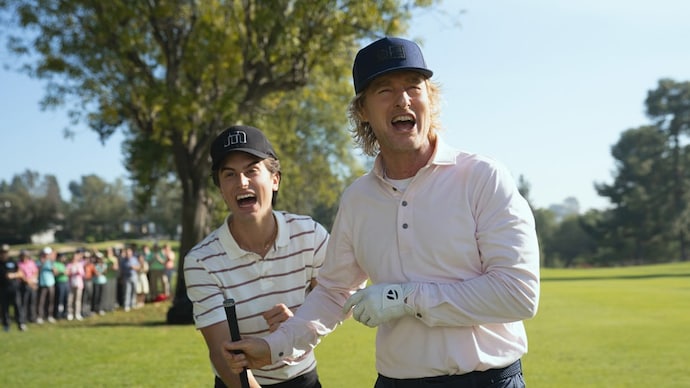
Stick returns with a second season that understands its biggest strength was never golf. It was the people who found one another through it. What began as a story about a washed-up golfer trying to shape a young prodigy into a champion now becomes a more personal examination of age, regret and the rather inconvenient realisation that life rarely follows the comeback plan we have drawn up for ourselves.
Owen Wilson is back as Pryce Cahill, the former golfing star whose career unravelled long before his talent ran out. Having found a sense of purpose through mentoring Santi Wheeler (Peter Dager) in the first season, Pryce now finds himself at another crossroads. Santi is 18 and has to decide whether to turn professional or take the more conventional route through college. Meanwhile, Pryce, at 55, is entertaining the possibility of returning to competitive golf himself. It is an amusing reversal: the man who once encouraged someone else to chase greatness must now decide whether he has the courage to attempt it again.
The season is at its most engaging when it allows these two journeys to unfold alongside each other. Santi is discovering that talent and opportunity do not necessarily come with the wisdom to make the right choices. The attention of agents, endorsements and the professional circuit brings a different kind of pressure, one that Pryce cannot entirely shield him from. More importantly, Pryce has to learn that mentoring someone does not give him the right to decide their future. There is a point at which guidance can become interference, and the show is perceptive about how difficult it is for someone who has built a second life around another person's potential to step back.
For Pryce, the comeback is about more than getting his swing right. The season digs further into the experiences that shaped him, particularly his complicated relationship with his father and the grief he continues to carry. The flashbacks add context to his self-sabotaging tendencies without turning every present-day problem into a neat psychological explanation. His sessions with a sports mindset specialist also give the series an opportunity to explore the mental side of competition, although some of these revelations arrive a little too conveniently.
Wilson is particularly well suited to this material. His familiar, unhurried delivery can sometimes make Pryce seem as though he is drifting through life, but that quality also makes his moments of vulnerability surprisingly effective. He does not suddenly become a different person when the drama deepens. Instead, we see more of what sits beneath that easygoing exterior. It is among his more rewarding television performances.
The supporting cast gives the season much of its personality. Marc Maron remains a terrific counterpoint as Mitts, whose cynicism rarely disguises how deeply he cares for the people around him. Timothy Olyphant brings an entertaining mix of charm and mischief as Pryce's former rival, Clark Ross. Rhea Seehorn is a welcome addition as Amanda, a woman from Pryce's past who challenges him both on and off the golf course. Her scenes with Wilson have an ease that makes their shared history believable without requiring the show to spell everything out. Peter Dager, meanwhile, gives Santi enough uncertainty and impatience to keep him from becoming just another gifted youngster waiting for an older man to show him the way.
The trouble is that Stick occasionally has more stories than it knows what to do with. Santi's romantic life, the shifting dynamics between Elena and Mitts, Pryce's renewed ambitions and the relationships from his past all compete for space. Some of these threads feel underdeveloped, while others could have benefited from a little more restraint. Judy Greer's Amber-Linn, in particular, deserves more than the limited space she gets this season.
There is also a familiar quality to the show's emotional playbook. Like several of Apple's feel-good dramas, Stick believes in personal growth, found families and the healing power of human connection. It can be a little too eager to underline its lessons, and its inspirational beats occasionally arrive exactly when expected. The golf, too, is often more of a setting than a subject. But when the series gets out of its own way, the sport becomes a useful metaphor for the unpredictability of life: you can prepare, practise and read the course, but you cannot control every shot.
Season 2 is less interested in whether Pryce can reclaim his former glory than in what he hopes to find by trying. It recognises that a second chance does not erase the first set of mistakes, nor does getting older mean giving up on the possibility of becoming someone else. Sometimes, it simply means learning when to take another shot and when to let someone else play theirs.
Stick may have found a more confident rhythm this season. Its warmth is familiar, its sentiment occasionally overplayed, but its characters are easy company. And Wilson, with that wonderfully relaxed screen presence, makes the return journey worth taking.
The first two episodes are out now, with new episodes dropping every Wednesday on Apple TV.

