3 litres of blood lost, kidneys failing: How doctors saved a pregnant woman
What began as a routine evening walk for a couple turned into a life-threatening medical emergency for a woman in her seventh month of pregnancy.
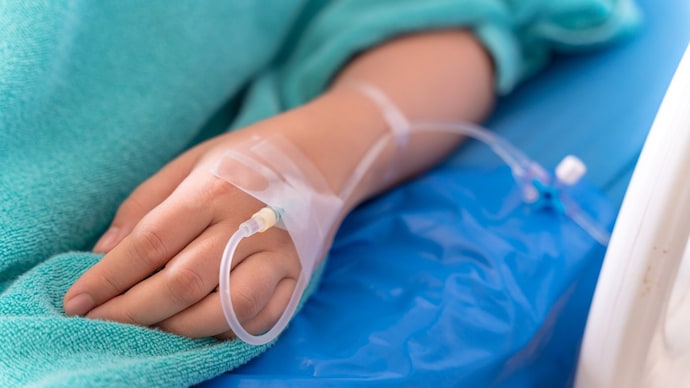
A simple evening walk in the park is usually associated with relaxation and quality time with loved ones. But for a 38-year-old pregnant woman in Bengaluru, an ordinary stroll with her husband unexpectedly turned into a medical nightmare that nearly cost her life.
The woman, who was in her seventh month of pregnancy, suddenly developed severe abdominal pain during the evening. Initially, the discomfort seemed manageable, but within hours, her condition worsened dramatically.
The pain became unbearable and was soon accompanied by heavy bleeding, prompting her family to rush her to a nearby healthcare facility. Doctors there quickly realised that her condition was deteriorating at an alarming pace. As the complications intensified, she was transferred in the early hours of April 9, 2026, to Manipal Hospital Sarjapur Road, where a multidisciplinary team of specialists launched an emergency effort to save her.
By the time she arrived at the hospital around 3 am, she was in an extremely critical state. Doctors found that she was suffering from a rare and severe obstetric emergency known as placental abruption, a condition in which the placenta separates from the uterus before delivery.
The complication had triggered extensive internal bleeding, placing both the mother and baby at grave risk. Unfortunately, the baby had already died in the womb due to the sudden disruption of the blood and oxygen supply. The mother, meanwhile, was battling a series of life-threatening complications.
A RAPIDLY ESCALATING CRISIS
According to doctors, the placental abruption caused a massive haemorrhage inside the abdomen. Nearly three litres of blood had accumulated in her abdominal cavity, pushing her into haemorrhagic shock, a condition where severe blood loss prevents the body's organs from receiving enough oxygen-rich blood.
The woman's blood pressure had dropped dangerously low, and her kidneys had started showing signs of dysfunction due to inadequate blood flow.
She also developed disseminated intravascular coagulation (DIC), a serious condition in which the body's clotting system becomes severely disrupted. While some areas of the body form clots, other areas experience uncontrolled bleeding, making treatment extremely challenging.
With multiple organs at risk of failure and the patient rapidly deteriorating, doctors knew there was no time to lose.
EMERGENCY SURGERY BEGINS
The patient was immediately taken for an emergency lower segment caesarean section (LSCS) under the supervision of Dr Shobika Selvaraj, Consultant – Obstetrics and Gynaecology at Manipal Hospital Sarjapur Road.
Once surgeons opened the abdominal cavity, they discovered the extent of the internal bleeding. Approximately three litres of blood and large retroperitoneal clots were found, confirming the severity of the situation.
"When the patient arrived, she was already in a state of severe shock due to massive blood loss. Our immediate priority was to stabilise her and proceed with emergency surgery.
However, what made this case particularly challenging was the uncontrolled haemorrhage even after delivery. It was a situation where every minute mattered, and rapid decision-making was critical to saving her life," said Dr Shobika Selvaraj.
A LIFE-SAVING MULTIDISCIPLINARY EFFORT
The situation became even more complicated after delivery. The woman developed severe atonic postpartum haemorrhage (PPH), a condition in which the uterus fails to contract properly after childbirth, resulting in continued and potentially fatal bleeding.
Doctors initially administered uterotonic medicines, the standard treatment used to control postpartum bleeding. However, the haemorrhage continued despite these measures.
At this crucial moment, specialists from multiple departments joined forces.
The urology team, led by Dr Manohar Bhadrappa, Senior Consultant and Chief of Urology, Renal Transplant and Uro-Oncology Surgery, along with Dr Harsha R, Consultant – Urology and Renal Transplant Surgery, performed a bilateral internal iliac artery ligation.
This specialised surgical procedure reduced the blood supply to the uterus, helping doctors gain control over the bleeding. The intervention proved to be a turning point in the patient's treatment.
Importantly, it also helped avoid a hysterectomy, allowing doctors to preserve the woman's uterus and future fertility potential.
"In cases of such extensive bleeding, timely surgical intervention becomes the difference between life and death.
By performing bilateral internal iliac artery ligation, we were able to significantly reduce the blood flow and control the haemorrhage effectively. This approach not only helped stabilise the patient but also allowed us to preserve her uterus," said Dr Manohar Bhadrappa.
MASSIVE BLOOD TRANSFUSIONS AND INTENSIVE CARE
Alongside surgery, doctors initiated a massive transfusion protocol to replace the blood she had lost.
The patient received six units of packed red blood cells, eight units of fresh frozen plasma, and eight units of single donor platelets. She was also given aggressive fluid resuscitation and medications to maintain blood pressure and organ function.
Following surgery, she was shifted to the Intensive Care Unit (ICU), where critical care specialists and anaesthesiologists monitored her around the clock.
The woman required ventilator support and medications known as inotropes to stabilise her cardiovascular system. Doctors also closely tracked her kidney function, which had been severely affected by the prolonged shock and blood loss.
Over the next several days, her condition slowly improved. Her blood pressure stabilised, kidney function began to recover, and she was gradually weaned off ventilator support and intensive medication.
TEAMWORK THAT MADE THE DIFFERENCE
Doctors involved in the case said the successful outcome was made possible by seamless collaboration between specialists from obstetrics, urology, anaesthesiology, nephrology, critical care medicine, transfusion medicine and nursing services.
"This case is a strong example of how multidisciplinary collaboration can change outcomes in critical situations. The flawless coordination among various departments ensured that the patient received prompt and comprehensive treatment at every stage," said Dr Harsha R.
Medical experts say such emergencies highlight the unpredictable nature of pregnancy-related complications. While many pregnancies progress normally, certain conditions can develop suddenly and escalate rapidly, requiring immediate medical attention.
A simple evening walk in the park is usually associated with relaxation and quality time with loved ones. But for a 38-year-old pregnant woman in Bengaluru, an ordinary stroll with her husband unexpectedly turned into a medical nightmare that nearly cost her life.
The woman, who was in her seventh month of pregnancy, suddenly developed severe abdominal pain during the evening. Initially, the discomfort seemed manageable, but within hours, her condition worsened dramatically.
The pain became unbearable and was soon accompanied by heavy bleeding, prompting her family to rush her to a nearby healthcare facility. Doctors there quickly realised that her condition was deteriorating at an alarming pace. As the complications intensified, she was transferred in the early hours of April 9, 2026, to Manipal Hospital Sarjapur Road, where a multidisciplinary team of specialists launched an emergency effort to save her.
By the time she arrived at the hospital around 3 am, she was in an extremely critical state. Doctors found that she was suffering from a rare and severe obstetric emergency known as placental abruption, a condition in which the placenta separates from the uterus before delivery.
The complication had triggered extensive internal bleeding, placing both the mother and baby at grave risk. Unfortunately, the baby had already died in the womb due to the sudden disruption of the blood and oxygen supply. The mother, meanwhile, was battling a series of life-threatening complications.
A RAPIDLY ESCALATING CRISIS
According to doctors, the placental abruption caused a massive haemorrhage inside the abdomen. Nearly three litres of blood had accumulated in her abdominal cavity, pushing her into haemorrhagic shock, a condition where severe blood loss prevents the body's organs from receiving enough oxygen-rich blood.
The woman's blood pressure had dropped dangerously low, and her kidneys had started showing signs of dysfunction due to inadequate blood flow.
She also developed disseminated intravascular coagulation (DIC), a serious condition in which the body's clotting system becomes severely disrupted. While some areas of the body form clots, other areas experience uncontrolled bleeding, making treatment extremely challenging.
With multiple organs at risk of failure and the patient rapidly deteriorating, doctors knew there was no time to lose.
EMERGENCY SURGERY BEGINS
The patient was immediately taken for an emergency lower segment caesarean section (LSCS) under the supervision of Dr Shobika Selvaraj, Consultant – Obstetrics and Gynaecology at Manipal Hospital Sarjapur Road.
Once surgeons opened the abdominal cavity, they discovered the extent of the internal bleeding. Approximately three litres of blood and large retroperitoneal clots were found, confirming the severity of the situation.
"When the patient arrived, she was already in a state of severe shock due to massive blood loss. Our immediate priority was to stabilise her and proceed with emergency surgery.
However, what made this case particularly challenging was the uncontrolled haemorrhage even after delivery. It was a situation where every minute mattered, and rapid decision-making was critical to saving her life," said Dr Shobika Selvaraj.
A LIFE-SAVING MULTIDISCIPLINARY EFFORT
The situation became even more complicated after delivery. The woman developed severe atonic postpartum haemorrhage (PPH), a condition in which the uterus fails to contract properly after childbirth, resulting in continued and potentially fatal bleeding.
Doctors initially administered uterotonic medicines, the standard treatment used to control postpartum bleeding. However, the haemorrhage continued despite these measures.
At this crucial moment, specialists from multiple departments joined forces.
The urology team, led by Dr Manohar Bhadrappa, Senior Consultant and Chief of Urology, Renal Transplant and Uro-Oncology Surgery, along with Dr Harsha R, Consultant – Urology and Renal Transplant Surgery, performed a bilateral internal iliac artery ligation.
This specialised surgical procedure reduced the blood supply to the uterus, helping doctors gain control over the bleeding. The intervention proved to be a turning point in the patient's treatment.
Importantly, it also helped avoid a hysterectomy, allowing doctors to preserve the woman's uterus and future fertility potential.
"In cases of such extensive bleeding, timely surgical intervention becomes the difference between life and death.
By performing bilateral internal iliac artery ligation, we were able to significantly reduce the blood flow and control the haemorrhage effectively. This approach not only helped stabilise the patient but also allowed us to preserve her uterus," said Dr Manohar Bhadrappa.
MASSIVE BLOOD TRANSFUSIONS AND INTENSIVE CARE
Alongside surgery, doctors initiated a massive transfusion protocol to replace the blood she had lost.
The patient received six units of packed red blood cells, eight units of fresh frozen plasma, and eight units of single donor platelets. She was also given aggressive fluid resuscitation and medications to maintain blood pressure and organ function.
Following surgery, she was shifted to the Intensive Care Unit (ICU), where critical care specialists and anaesthesiologists monitored her around the clock.
The woman required ventilator support and medications known as inotropes to stabilise her cardiovascular system. Doctors also closely tracked her kidney function, which had been severely affected by the prolonged shock and blood loss.
Over the next several days, her condition slowly improved. Her blood pressure stabilised, kidney function began to recover, and she was gradually weaned off ventilator support and intensive medication.
TEAMWORK THAT MADE THE DIFFERENCE
Doctors involved in the case said the successful outcome was made possible by seamless collaboration between specialists from obstetrics, urology, anaesthesiology, nephrology, critical care medicine, transfusion medicine and nursing services.
"This case is a strong example of how multidisciplinary collaboration can change outcomes in critical situations. The flawless coordination among various departments ensured that the patient received prompt and comprehensive treatment at every stage," said Dr Harsha R.
Medical experts say such emergencies highlight the unpredictable nature of pregnancy-related complications. While many pregnancies progress normally, certain conditions can develop suddenly and escalate rapidly, requiring immediate medical attention.

