5 health screenings every adult should prioritise for a healthier future
Many serious diseases develop silently and show no warning signs in the early stages. Regular health screenings can help detect risks early and improve long-term health outcomes.
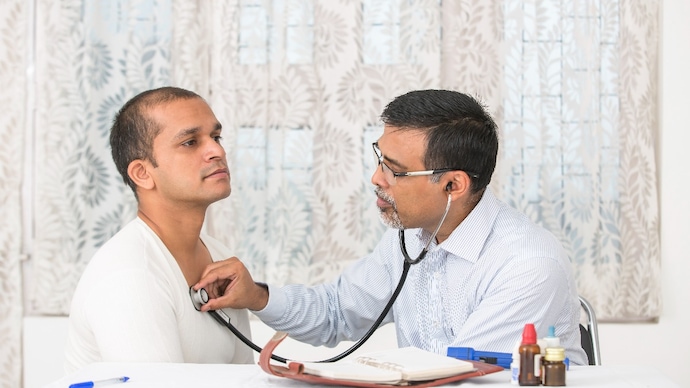
Modern lifestyles have brought convenience and comfort, but they have also increased the risk of several chronic health conditions. Diseases such as diabetes, high blood pressure, heart disease, thyroid disorders, and vitamin deficiencies are becoming increasingly common among adults. What makes many of these conditions particularly dangerous is that they often develop quietly, without causing noticeable symptoms in the early stages.
Many people assume that feeling healthy means they are healthy. However, medical experts warn that this is not always true. A person may feel completely normal while underlying health problems continue to progress.
By the time symptoms appear, the disease may have already caused significant damage to important organs such as the heart, kidneys, liver, or brain.
This is where preventive healthcare becomes essential. Regular health screenings help identify potential health concerns before they become serious.
Early detection allows individuals to make lifestyle changes, seek medical advice, and begin treatment when necessary. In many cases, timely intervention can prevent complications, improve quality of life, and reduce future healthcare costs.
While screening requirements may vary depending on age, family history, lifestyle, and existing medical conditions, health experts recommend that every adult prioritise a few essential tests. These screenings provide valuable insights into overall health and help individuals stay proactive about their well-being.
Below are five important health screenings that adults should consider as part of their routine preventive healthcare plan. By Dr Sameer Bhati, Public Health Analyst.
BLOOD PRESSURE SCREENING: MONITORING THE SILENT KILLER
High blood pressure, also known as hypertension, is often called the "silent killer" because it can remain unnoticed for years. Most people with high blood pressure experience no symptoms, even when their readings are dangerously elevated.
If left untreated, hypertension can increase the risk of heart attacks, strokes, kidney disease, vision problems, and other serious health complications. Factors such as stress, obesity, poor diet, lack of exercise, smoking, and family history can contribute to high blood pressure.
Health experts recommend that adults, particularly those above the age of 30, monitor their blood pressure regularly. Early detection allows individuals to adopt healthier habits, including reducing salt intake, exercising regularly, managing stress, maintaining a healthy weight, and seeking medical treatment when necessary.
Regular blood pressure checks remain one of the simplest and most effective ways to protect long-term cardiovascular health.
DIABETIC PROFILE: DETECTING BLOOD SUGAR PROBLEMS EARLY
Diabetes has become one of the fastest-growing health concerns worldwide. Unfortunately, many people are unaware they have diabetes or prediabetes because symptoms often develop gradually.
A comprehensive diabetic profile typically includes:
- Fasting Blood Sugar (FBS)
- Haemoglobin A1c (HbA1c)
- Fasting Insulin
- Homeostatic Model Assessment of Insulin Resistance (HOMA-IR)
These tests help identify insulin resistance, prediabetes, and diabetes before noticeable symptoms appear.
Early detection is important because uncontrolled blood sugar can damage the heart, kidneys, nerves, eyes, and blood vessels over time. Individuals with a family history of diabetes, obesity, high blood pressure, or sedentary lifestyles are particularly vulnerable and should undergo regular screening.
When blood sugar abnormalities are identified early, lifestyle modifications such as healthier eating habits, regular physical activity, weight management, and appropriate medical care can significantly reduce future health risks.
EXTENDED LIPID PROFILE: UNDERSTANDING YOUR HEART HEALTH
Heart disease remains one of the leading causes of death worldwide. An Extended Lipid Profile provides a detailed picture of an individual's cardiovascular risk by measuring several important markers.
The screening generally includes:
- Total Cholesterol
- LDL Cholesterol (Bad Cholesterol)
- HDL Cholesterol (Good Cholesterol)
- Triglycerides
- Non-HDL Cholesterol
- Apolipoprotein B (ApoB)
- Lipoprotein(a) [Lp(a)]
- Various cholesterol ratios
High cholesterol usually does not cause symptoms, making regular screening extremely important. Elevated cholesterol levels can gradually lead to plaque build-up in arteries, increasing the risk of heart attacks, strokes, and other cardiovascular diseases.
People with diabetes, obesity, hypertension, smoking habits, sedentary lifestyles, or a family history of heart disease should pay special attention to cholesterol monitoring.
Timely identification of abnormal lipid levels allows healthcare providers to recommend dietary improvements, increased physical activity, weight management strategies, and medications when required.
VITAMIN D AND VITAMIN B12 ASSESSMENT: ADDRESSING HIDDEN DEFICIENCIES
Vitamin D and Vitamin B12 deficiencies have become increasingly common, especially among people living in urban environments.
Long working hours indoors, limited exposure to sunlight, dietary restrictions, and digestive disorders can contribute to low levels of these essential nutrients.
Deficiencies may cause symptoms such as:
- Fatigue and low energy
- Muscle weakness
- Poor concentration
- Mood changes
- Reduced immunity
- Numbness or tingling sensations
Because these symptoms can be mistaken for everyday stress or tiredness, many people remain unaware of their deficiency for long periods.
Regular testing helps identify deficiencies early and allows individuals to take corrective action through dietary improvements, supplements, increased sunlight exposure, or medical treatment when necessary.
Maintaining healthy vitamin levels supports bone health, nerve function, immunity, mental well-being, and overall physical performance.
METABOLIC HEALTH PROFILE: A COMPLETE HEALTH ASSESSMENT
A comprehensive metabolic health profile provides valuable information about the functioning of multiple organs and systems within the body.
Doctors commonly recommend the following tests as part of a routine preventive health check-up:
- Complete Blood Count (CBC)
- Liver Function Test (LFT)
- Kidney Function Test (KFT)
- Thyroid Profile
- High-Sensitivity C-Reactive Protein (hs-CRP)
The CBC helps evaluate overall blood health and detect conditions such as anaemia and infections. Liver and kidney function tests assess how effectively these vital organs are working. Thyroid screening helps identify hormone imbalances that can affect metabolism, energy levels, and weight management.
Meanwhile, hs-CRP serves as an important marker of inflammation in the body. Elevated levels may indicate an increased risk of cardiovascular disease and other chronic health conditions.
Together, these tests provide a broader understanding of an individual's health status and help detect potential problems before symptoms become noticeable.
EARLY DETECTION CAN SAVE LIVES
Preventive healthcare is not about searching for disease; it is about protecting wellness. Regular screenings provide an opportunity to understand what is happening inside the body, even when everything appears normal on the surface.
By prioritising blood pressure monitoring, diabetes screening, cholesterol testing, vitamin assessments, and comprehensive metabolic health evaluations, adults can significantly reduce their risk of future complications. Early diagnosis often leads to simpler treatments, better health outcomes, and a higher quality of life.
Health experts emphasise that prevention remains one of the most powerful tools in modern medicine. The small effort invested in routine health checks today can help individuals enjoy healthier, more active lives for years to come.
Modern lifestyles have brought convenience and comfort, but they have also increased the risk of several chronic health conditions. Diseases such as diabetes, high blood pressure, heart disease, thyroid disorders, and vitamin deficiencies are becoming increasingly common among adults. What makes many of these conditions particularly dangerous is that they often develop quietly, without causing noticeable symptoms in the early stages.
Many people assume that feeling healthy means they are healthy. However, medical experts warn that this is not always true. A person may feel completely normal while underlying health problems continue to progress.
By the time symptoms appear, the disease may have already caused significant damage to important organs such as the heart, kidneys, liver, or brain.
This is where preventive healthcare becomes essential. Regular health screenings help identify potential health concerns before they become serious.
Early detection allows individuals to make lifestyle changes, seek medical advice, and begin treatment when necessary. In many cases, timely intervention can prevent complications, improve quality of life, and reduce future healthcare costs.
While screening requirements may vary depending on age, family history, lifestyle, and existing medical conditions, health experts recommend that every adult prioritise a few essential tests. These screenings provide valuable insights into overall health and help individuals stay proactive about their well-being.
Below are five important health screenings that adults should consider as part of their routine preventive healthcare plan. By Dr Sameer Bhati, Public Health Analyst.
BLOOD PRESSURE SCREENING: MONITORING THE SILENT KILLER
High blood pressure, also known as hypertension, is often called the "silent killer" because it can remain unnoticed for years. Most people with high blood pressure experience no symptoms, even when their readings are dangerously elevated.
If left untreated, hypertension can increase the risk of heart attacks, strokes, kidney disease, vision problems, and other serious health complications. Factors such as stress, obesity, poor diet, lack of exercise, smoking, and family history can contribute to high blood pressure.
Health experts recommend that adults, particularly those above the age of 30, monitor their blood pressure regularly. Early detection allows individuals to adopt healthier habits, including reducing salt intake, exercising regularly, managing stress, maintaining a healthy weight, and seeking medical treatment when necessary.
Regular blood pressure checks remain one of the simplest and most effective ways to protect long-term cardiovascular health.
DIABETIC PROFILE: DETECTING BLOOD SUGAR PROBLEMS EARLY
Diabetes has become one of the fastest-growing health concerns worldwide. Unfortunately, many people are unaware they have diabetes or prediabetes because symptoms often develop gradually.
A comprehensive diabetic profile typically includes:
- Fasting Blood Sugar (FBS)
- Haemoglobin A1c (HbA1c)
- Fasting Insulin
- Homeostatic Model Assessment of Insulin Resistance (HOMA-IR)
These tests help identify insulin resistance, prediabetes, and diabetes before noticeable symptoms appear.
Early detection is important because uncontrolled blood sugar can damage the heart, kidneys, nerves, eyes, and blood vessels over time. Individuals with a family history of diabetes, obesity, high blood pressure, or sedentary lifestyles are particularly vulnerable and should undergo regular screening.
When blood sugar abnormalities are identified early, lifestyle modifications such as healthier eating habits, regular physical activity, weight management, and appropriate medical care can significantly reduce future health risks.
EXTENDED LIPID PROFILE: UNDERSTANDING YOUR HEART HEALTH
Heart disease remains one of the leading causes of death worldwide. An Extended Lipid Profile provides a detailed picture of an individual's cardiovascular risk by measuring several important markers.
The screening generally includes:
- Total Cholesterol
- LDL Cholesterol (Bad Cholesterol)
- HDL Cholesterol (Good Cholesterol)
- Triglycerides
- Non-HDL Cholesterol
- Apolipoprotein B (ApoB)
- Lipoprotein(a) [Lp(a)]
- Various cholesterol ratios
High cholesterol usually does not cause symptoms, making regular screening extremely important. Elevated cholesterol levels can gradually lead to plaque build-up in arteries, increasing the risk of heart attacks, strokes, and other cardiovascular diseases.
People with diabetes, obesity, hypertension, smoking habits, sedentary lifestyles, or a family history of heart disease should pay special attention to cholesterol monitoring.
Timely identification of abnormal lipid levels allows healthcare providers to recommend dietary improvements, increased physical activity, weight management strategies, and medications when required.
VITAMIN D AND VITAMIN B12 ASSESSMENT: ADDRESSING HIDDEN DEFICIENCIES
Vitamin D and Vitamin B12 deficiencies have become increasingly common, especially among people living in urban environments.
Long working hours indoors, limited exposure to sunlight, dietary restrictions, and digestive disorders can contribute to low levels of these essential nutrients.
Deficiencies may cause symptoms such as:
- Fatigue and low energy
- Muscle weakness
- Poor concentration
- Mood changes
- Reduced immunity
- Numbness or tingling sensations
Because these symptoms can be mistaken for everyday stress or tiredness, many people remain unaware of their deficiency for long periods.
Regular testing helps identify deficiencies early and allows individuals to take corrective action through dietary improvements, supplements, increased sunlight exposure, or medical treatment when necessary.
Maintaining healthy vitamin levels supports bone health, nerve function, immunity, mental well-being, and overall physical performance.
METABOLIC HEALTH PROFILE: A COMPLETE HEALTH ASSESSMENT
A comprehensive metabolic health profile provides valuable information about the functioning of multiple organs and systems within the body.
Doctors commonly recommend the following tests as part of a routine preventive health check-up:
- Complete Blood Count (CBC)
- Liver Function Test (LFT)
- Kidney Function Test (KFT)
- Thyroid Profile
- High-Sensitivity C-Reactive Protein (hs-CRP)
The CBC helps evaluate overall blood health and detect conditions such as anaemia and infections. Liver and kidney function tests assess how effectively these vital organs are working. Thyroid screening helps identify hormone imbalances that can affect metabolism, energy levels, and weight management.
Meanwhile, hs-CRP serves as an important marker of inflammation in the body. Elevated levels may indicate an increased risk of cardiovascular disease and other chronic health conditions.
Together, these tests provide a broader understanding of an individual's health status and help detect potential problems before symptoms become noticeable.
EARLY DETECTION CAN SAVE LIVES
Preventive healthcare is not about searching for disease; it is about protecting wellness. Regular screenings provide an opportunity to understand what is happening inside the body, even when everything appears normal on the surface.
By prioritising blood pressure monitoring, diabetes screening, cholesterol testing, vitamin assessments, and comprehensive metabolic health evaluations, adults can significantly reduce their risk of future complications. Early diagnosis often leads to simpler treatments, better health outcomes, and a higher quality of life.
Health experts emphasise that prevention remains one of the most powerful tools in modern medicine. The small effort invested in routine health checks today can help individuals enjoy healthier, more active lives for years to come.

