Good girls, bad health: The hidden cost of ADHD in India
Girls diagnosed with ADHD in childhood face higher long-term health risks as adults. But many of them, unfortunately, are never diagnosed early because they present symptoms very different from boys. In short, the "good girl" behaviour masks one of the most common neurodivergent people.
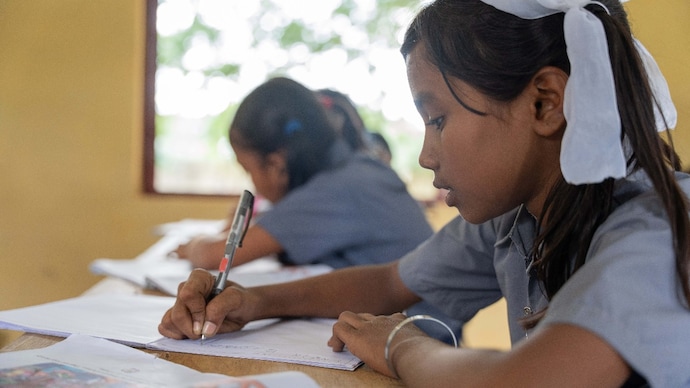
She sits quietly in class, hands in her homework on time and rarely gets into trouble. Teachers praise her for being attentive, while parents describe her as the "good girl."
Unlike the stereotypical image of ADHD as a condition marked by hyperactive, disruptive boys, girls often experience the disorder differently. Their struggles are quieter, internalised and easier to overlook, delaying diagnosis until adolescence or even adulthood.
ADHD is one of the most common neurodevelopmental conditions, making those affected part of the neurodivergent population, a term used for people whose brains process information differently from what is considered typical.
A new study has found that girls diagnosed with ADHD in childhood are at a higher risk of developing multiple long-term physical and mental health conditions as adults, especially if they also grow up in socioeconomically disadvantaged households.
The findings suggest that ADHD in girls is not simply a childhood learning difficulty but a lifelong health issue that requires earlier diagnosis and more comprehensive care.
Researchers say girls with ADHD from disadvantaged backgrounds should be considered a high-risk group for long-term health complications. They also argue that public health policies should address both neurodevelopmental disorders and social disadvantage together rather than treating them as separate issues.
WHY GIRLS ARE OVERLOOKED IN ADHD DIAGNOSIS
For decades, ADHD has largely been associated with hyperactive boys who struggle to sit still or frequently interrupt in class. Girls, however, present differently.
"When we think about ADHD, many of us picture a restless boy who can't sit still in class. But girls with ADHD frequently don't fit that familiar picture at all," said Dr. Kersi Chavda, Consultant Psychiatrist at P. D. Hinduja Hospital and Medical Research Centre.
"Many of them are quiet, conscientious and eager to please. They're the ones sitting attentively at their desks, handing in their homework, trying their absolute best, and no one suspects a thing. They often mask their difficulties by working much harder than their peers, so their struggles remain hidden," he explained.
Instead of being disruptive, many girls internalise their difficulties. They daydream, lose focus, forget instructions or spend far longer completing simple tasks, but because they are well-behaved, these signs are usually mistaken for personality traits rather than symptoms of ADHD.
THE INVISIBLE BURDEN
Constantly trying to hide ADHD symptoms comes at a cost.
Many girls develop coping strategies to avoid criticism or disappointing others. They become perfectionists, over-prepare for assignments and suppress their struggles until they are emotionally exhausted.
Over time, this constant effort can affect both mental and physical health.
The study found that women with childhood ADHD were more likely to develop several long-term health conditions later in life.
While the research does not establish a direct cause-and-effect relationship, it highlights how untreated ADHD combined with social disadvantage can shape health across the lifespan.
Dr. Chavda said the emotional impact begins much earlier.
"Many girls with undiagnosed ADHD grow up believing they're lazy, careless or not good enough. This increases the risk of anxiety, depression, low self-worth, burnout, sleep problems, eating disorders and, in some cases, substance misuse," he said.
"They constantly feel they are not 'good enough' and see their peers managing to produce greater output with much less effort," he added.
Researchers believe earlier diagnosis and integrated care could help reduce these long-term risks. They also recommend future studies to examine whether ADHD treatment, including stimulant medication, influences lifelong health outcomes and how sex-sensitive interventions can improve quality of life.
LOOKING BEYOND GRADES
Good academic performance should never rule out ADHD.
Many girls achieve high grades, but only by putting in extraordinary effort that often goes unnoticed.
"Parents often tell me, 'But she's doing well in school.' My response is, 'What does it cost her to do well?'" Dr. Chavda said.
"If she's coming home exhausted, melting down over small things, taking far longer than expected to finish homework or constantly losing track of her belongings, those are clues that deserve attention, not dismissal."
He also pointed to another common warning sign that often goes unnoticed: relentless self-criticism.
"I see loads of relentless self-criticism, which is sometimes almost frightening. They feel they are just never 'good enough'," he said.
Researchers say future work should explore how early, sex-sensitive interventions can interrupt the combined effects of ADHD and social disadvantage across the life course.
They also call for studies in different countries and healthcare systems to better understand whether these patterns hold true globally.
For parents, teachers and doctors, consider this: the quiet, compliant girl in the classroom may not be coping as well as she appears.
Looking beyond the label of the "good girl" could mean recognising ADHD early enough to change the course of her health and wellbeing.
She sits quietly in class, hands in her homework on time and rarely gets into trouble. Teachers praise her for being attentive, while parents describe her as the "good girl."
Unlike the stereotypical image of ADHD as a condition marked by hyperactive, disruptive boys, girls often experience the disorder differently. Their struggles are quieter, internalised and easier to overlook, delaying diagnosis until adolescence or even adulthood.
ADHD is one of the most common neurodevelopmental conditions, making those affected part of the neurodivergent population, a term used for people whose brains process information differently from what is considered typical.
A new study has found that girls diagnosed with ADHD in childhood are at a higher risk of developing multiple long-term physical and mental health conditions as adults, especially if they also grow up in socioeconomically disadvantaged households.
The findings suggest that ADHD in girls is not simply a childhood learning difficulty but a lifelong health issue that requires earlier diagnosis and more comprehensive care.
Researchers say girls with ADHD from disadvantaged backgrounds should be considered a high-risk group for long-term health complications. They also argue that public health policies should address both neurodevelopmental disorders and social disadvantage together rather than treating them as separate issues.
WHY GIRLS ARE OVERLOOKED IN ADHD DIAGNOSIS
For decades, ADHD has largely been associated with hyperactive boys who struggle to sit still or frequently interrupt in class. Girls, however, present differently.
"When we think about ADHD, many of us picture a restless boy who can't sit still in class. But girls with ADHD frequently don't fit that familiar picture at all," said Dr. Kersi Chavda, Consultant Psychiatrist at P. D. Hinduja Hospital and Medical Research Centre.
"Many of them are quiet, conscientious and eager to please. They're the ones sitting attentively at their desks, handing in their homework, trying their absolute best, and no one suspects a thing. They often mask their difficulties by working much harder than their peers, so their struggles remain hidden," he explained.
Instead of being disruptive, many girls internalise their difficulties. They daydream, lose focus, forget instructions or spend far longer completing simple tasks, but because they are well-behaved, these signs are usually mistaken for personality traits rather than symptoms of ADHD.
THE INVISIBLE BURDEN
Constantly trying to hide ADHD symptoms comes at a cost.
Many girls develop coping strategies to avoid criticism or disappointing others. They become perfectionists, over-prepare for assignments and suppress their struggles until they are emotionally exhausted.
Over time, this constant effort can affect both mental and physical health.
The study found that women with childhood ADHD were more likely to develop several long-term health conditions later in life.
While the research does not establish a direct cause-and-effect relationship, it highlights how untreated ADHD combined with social disadvantage can shape health across the lifespan.
Dr. Chavda said the emotional impact begins much earlier.
"Many girls with undiagnosed ADHD grow up believing they're lazy, careless or not good enough. This increases the risk of anxiety, depression, low self-worth, burnout, sleep problems, eating disorders and, in some cases, substance misuse," he said.
"They constantly feel they are not 'good enough' and see their peers managing to produce greater output with much less effort," he added.
Researchers believe earlier diagnosis and integrated care could help reduce these long-term risks. They also recommend future studies to examine whether ADHD treatment, including stimulant medication, influences lifelong health outcomes and how sex-sensitive interventions can improve quality of life.
LOOKING BEYOND GRADES
Good academic performance should never rule out ADHD.
Many girls achieve high grades, but only by putting in extraordinary effort that often goes unnoticed.
"Parents often tell me, 'But she's doing well in school.' My response is, 'What does it cost her to do well?'" Dr. Chavda said.
"If she's coming home exhausted, melting down over small things, taking far longer than expected to finish homework or constantly losing track of her belongings, those are clues that deserve attention, not dismissal."
He also pointed to another common warning sign that often goes unnoticed: relentless self-criticism.
"I see loads of relentless self-criticism, which is sometimes almost frightening. They feel they are just never 'good enough'," he said.
Researchers say future work should explore how early, sex-sensitive interventions can interrupt the combined effects of ADHD and social disadvantage across the life course.
They also call for studies in different countries and healthcare systems to better understand whether these patterns hold true globally.
For parents, teachers and doctors, consider this: the quiet, compliant girl in the classroom may not be coping as well as she appears.
Looking beyond the label of the "good girl" could mean recognising ADHD early enough to change the course of her health and wellbeing.

