First patient, first teacher: Why the cadaver joke has sparked an ethics debate
A KEM Hospital student's joke about a male cadaver at a comedy show triggered outrage and police action. Doctors say the episode threatens trust in body donation and underscores the need for dignity online and in anatomy labs.
In a country where medical ethics once received little formal focus, this teaching has transformed anatomy classrooms into spaces of reverence.
“But now, almost every dissection room has a message written that this is a place where the dead teach the living and the utmost stress is given on treating cadavers with dignity and respect,” said Dr Sheetal Joshi, professor of anatomy at Lady Hardinge Medical College in Delhi.
Under India's medical education regulator, the National Medical Commission (NMC)’s competence-based medical education curriculum, adopted just ahead of 2020, a cadaveric oath was introduced for all medical students before their training in medicine starts.
It is a solemn pledge taken by first-year medical and dental students before beginning human dissection in the anatomy lab and emphasises empathy, bioethics, and respect, honouring the donor as their "first teacher."
This oath is part of an ethics module – AETCOM (attitude, ethics and communication), now a mandatory component of the first-year MBBS curriculum.
For Dr Joshi, who works closely with families donating bodies and organs, the gesture is more than symbolic. “Even the dead need to be treated with respect and even so by doctors who are future healers,” she added.
Cadaveric donations, which have gone considerably up over the years, are not mere academic tools, they are acts of profound generosity.
Families entrust the bodies of their loved ones so that tomorrow’s doctors can learn, practice, and ultimately save lives.
“Cadaveric donation is an act of supreme sacrifice on the part of families who want future doctors to learn from the bodies of their loved ones and be able to treat patients in future,” said Dr Vandana Mehta, head of anatomy at Vardhaman Mahavir Medical College and Safdarjung Hospital.
A JOKE THAT HURT
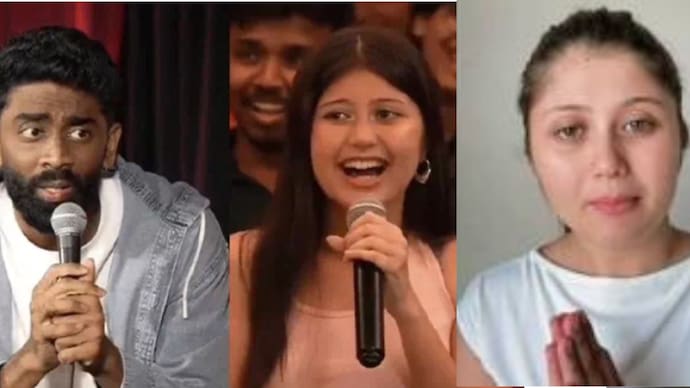
Yet, this deeply respected practice became the centre of controversy when Sejal Pawar, an undergraduate student at Mumbai’s King Edward Memorial (KEM) Hospital, made a joke about the private parts of a male cadaver during a stand-up comedy show in Gurugram three months ago.
Clips of the show featuring the exchange between comedian Pranit More went viral on social media, sparking widespread outrage among doctors, students, and medical institutions.
Pawar has since issued a public apology, but the Mumbai police have lodged an FIR against her and the event organisers, while the hospital has announced a formal investigation. The medical fraternity, however, says the damage goes beyond a single joke.
They have warned that such incidents risk discouraging families from donating bodies, undoing years of painstaking effort to instil respect for cadavers.
“What this undergraduate doctor said is very insensitive and unacceptable at several levels," said Dr Mehta.
ETHICS IN THE DIGITAL AGE
The controversy also highlights a wider issue: the rise of social media has created a new arena where the sanctity of medical practice can be compromised.
Dr Satendra Singh, physiology professor at the University College of Medical Sciences (UCMS) remarked sharply on this trend:
“Just go to YouTube and search for ‘cadaver’ and one would see students in aprons posing unprofessionally – some posing for kisses, some using half-cut skin as a crown. Even if in an individual capacity at an event, medical students represent the ‘doctor fraternity.’ What lesson will society get from such students?”
He noted that while AETCOM is mandated for all MBBS students, enforcement and awareness lag behind.
Social media policies in medical colleges are largely absent, leaving students to navigate the digital world without clear guidance.
Dr Singh even recounted past controversies, such as a 2010 incident at Stony Brook University where a medical student posted a disrespectful cadaver photo online – sparking global debate and prompting stricter ethics rules in anatomy labs.
The problem, Dr Singh emphasised, is not mere immaturity but a lack of understanding that the first lessons of medicine are rooted in empathy and dignity.
"One of my friends donated his father’s body to my college for dissection. We saw a former Union home minister donating his mother’s body to a leading medical college in Delhi. This is a sacred trust,” he said.
Specialists also underline that donated bodies, as compared to unclaimed bodies which often have already undergone autopsies and mostly belong to people with poorer nutritional status and disease profile, are considered better for learning anatomy from an academic perspective.
They also argue that incidents like Pawar’s joke risk eroding public trust in medical education. Cadaveric donations, already a sensitive subject, rely heavily on families’ faith in the integrity of medical institutions.
A single viral video, they fear, could discourage future donors and tarnish the reputation of generations of students learning with the same bodies.
Dr Joshi’s plea is simple but heartfelt: “Even the dead need to be treated with respect. Every medical student should carry that respect in their heart, in the lab, and online.”
In a country where medical ethics once received little formal focus, this teaching has transformed anatomy classrooms into spaces of reverence.
“But now, almost every dissection room has a message written that this is a place where the dead teach the living and the utmost stress is given on treating cadavers with dignity and respect,” said Dr Sheetal Joshi, professor of anatomy at Lady Hardinge Medical College in Delhi.
Under India's medical education regulator, the National Medical Commission (NMC)’s competence-based medical education curriculum, adopted just ahead of 2020, a cadaveric oath was introduced for all medical students before their training in medicine starts.
It is a solemn pledge taken by first-year medical and dental students before beginning human dissection in the anatomy lab and emphasises empathy, bioethics, and respect, honouring the donor as their "first teacher."
This oath is part of an ethics module – AETCOM (attitude, ethics and communication), now a mandatory component of the first-year MBBS curriculum.
For Dr Joshi, who works closely with families donating bodies and organs, the gesture is more than symbolic. “Even the dead need to be treated with respect and even so by doctors who are future healers,” she added.
Cadaveric donations, which have gone considerably up over the years, are not mere academic tools, they are acts of profound generosity.
Families entrust the bodies of their loved ones so that tomorrow’s doctors can learn, practice, and ultimately save lives.
“Cadaveric donation is an act of supreme sacrifice on the part of families who want future doctors to learn from the bodies of their loved ones and be able to treat patients in future,” said Dr Vandana Mehta, head of anatomy at Vardhaman Mahavir Medical College and Safdarjung Hospital.
A JOKE THAT HURT
Yet, this deeply respected practice became the centre of controversy when Sejal Pawar, an undergraduate student at Mumbai’s King Edward Memorial (KEM) Hospital, made a joke about the private parts of a male cadaver during a stand-up comedy show in Gurugram three months ago.
Clips of the show featuring the exchange between comedian Pranit More went viral on social media, sparking widespread outrage among doctors, students, and medical institutions.
Pawar has since issued a public apology, but the Mumbai police have lodged an FIR against her and the event organisers, while the hospital has announced a formal investigation. The medical fraternity, however, says the damage goes beyond a single joke.
They have warned that such incidents risk discouraging families from donating bodies, undoing years of painstaking effort to instil respect for cadavers.
“What this undergraduate doctor said is very insensitive and unacceptable at several levels," said Dr Mehta.
ETHICS IN THE DIGITAL AGE
The controversy also highlights a wider issue: the rise of social media has created a new arena where the sanctity of medical practice can be compromised.
Dr Satendra Singh, physiology professor at the University College of Medical Sciences (UCMS) remarked sharply on this trend:
“Just go to YouTube and search for ‘cadaver’ and one would see students in aprons posing unprofessionally – some posing for kisses, some using half-cut skin as a crown. Even if in an individual capacity at an event, medical students represent the ‘doctor fraternity.’ What lesson will society get from such students?”
He noted that while AETCOM is mandated for all MBBS students, enforcement and awareness lag behind.
Social media policies in medical colleges are largely absent, leaving students to navigate the digital world without clear guidance.
Dr Singh even recounted past controversies, such as a 2010 incident at Stony Brook University where a medical student posted a disrespectful cadaver photo online – sparking global debate and prompting stricter ethics rules in anatomy labs.
The problem, Dr Singh emphasised, is not mere immaturity but a lack of understanding that the first lessons of medicine are rooted in empathy and dignity.
"One of my friends donated his father’s body to my college for dissection. We saw a former Union home minister donating his mother’s body to a leading medical college in Delhi. This is a sacred trust,” he said.
Specialists also underline that donated bodies, as compared to unclaimed bodies which often have already undergone autopsies and mostly belong to people with poorer nutritional status and disease profile, are considered better for learning anatomy from an academic perspective.
They also argue that incidents like Pawar’s joke risk eroding public trust in medical education. Cadaveric donations, already a sensitive subject, rely heavily on families’ faith in the integrity of medical institutions.
A single viral video, they fear, could discourage future donors and tarnish the reputation of generations of students learning with the same bodies.
Dr Joshi’s plea is simple but heartfelt: “Even the dead need to be treated with respect. Every medical student should carry that respect in their heart, in the lab, and online.”

