Can toddlers remember childhood trauma when they grow up? Psychologist explains
A child may be too young to explain fear or trauma, but that does not mean the experience is forgotten. A clinical psychologist explains how early distress can shape behaviour, why it may resurface years later, and the signs parents should never ignore.
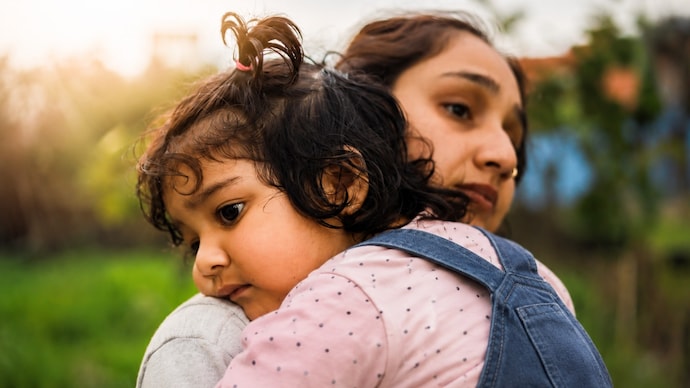
Many parents assume that if a toddler cannot describe a frightening experience, they are unlikely to remember it later in life. Clinical psychologist says that is not always the case. While young children do not form memories in the same way as adults, traumatic experiences can leave emotional imprints that may resurface years later, depending on the child and the environment.
According to Dr Sugami Ramesh, Clinical Psychologist at Apollo Hospitals, Bannerghatta Road, Bengaluru, there is no single answer to whether toddlers remember trauma as adults.
WHY CHILDHOOD TRAUMA CAN RESURFACE YEARS LATER
"It is difficult to give one answer because every child is different," Dr Ramesh said.
She explained that children who continue growing up in the same environment where the trauma occurred are more likely to reconnect with those experiences later in life. Repeated or ongoing trauma is also more likely to become linked with later memories than a single isolated event.
Dr Ramesh recalled treating an adult who only later realised that an incident from early childhood, which she had not understood at the time, had been traumatic. "As she grew older, she was able to connect those memories with the trauma she had experienced," she said.
HOW TODDLERS COMMUNICATE TRAUMA WITHOUT WORDS
Because toddlers are still developing language and emotional awareness, they often cannot explain frightening experiences in words. Instead, distress may be reflected in their behaviour, play or interactions.
Dr Ramesh said parents should watch for sudden irritability, anger, unusual stubbornness, withdrawal, poor appetite, sadness or a reluctance to be touched or cuddled. Some children may also express difficult emotions through drawings, stories or imaginative play.
"I pay very close attention to children's drawings and stories because they often communicate emotions they cannot express verbally," she said.
She cautioned that no single behaviour confirms trauma. However, these changes may become more noticeable when children begin attending daycare or school, where differences from their peers are easier to observe.
CAN EARLY SUPPORT MAKE A DIFFERENCE?
The long-term impact of childhood trauma depends largely on the support a child receives afterwards, Dr Ramesh said. Children who grow up with consistent love, reassurance and emotional support often cope better after traumatic experiences, although emotional triggers can still persist.
During a traumatic event, the brain can associate emotions with sounds, smells, sights or other sensory cues, which may trigger distress years later.
Early assessment by a child psychologist or psychiatrist can help identify whether a child needs support. Experts say recognising persistent emotional or behavioural changes early may improve long-term emotional well-being.
Many parents assume that if a toddler cannot describe a frightening experience, they are unlikely to remember it later in life. Clinical psychologist says that is not always the case. While young children do not form memories in the same way as adults, traumatic experiences can leave emotional imprints that may resurface years later, depending on the child and the environment.
According to Dr Sugami Ramesh, Clinical Psychologist at Apollo Hospitals, Bannerghatta Road, Bengaluru, there is no single answer to whether toddlers remember trauma as adults.
WHY CHILDHOOD TRAUMA CAN RESURFACE YEARS LATER
"It is difficult to give one answer because every child is different," Dr Ramesh said.
She explained that children who continue growing up in the same environment where the trauma occurred are more likely to reconnect with those experiences later in life. Repeated or ongoing trauma is also more likely to become linked with later memories than a single isolated event.
Dr Ramesh recalled treating an adult who only later realised that an incident from early childhood, which she had not understood at the time, had been traumatic. "As she grew older, she was able to connect those memories with the trauma she had experienced," she said.
HOW TODDLERS COMMUNICATE TRAUMA WITHOUT WORDS
Because toddlers are still developing language and emotional awareness, they often cannot explain frightening experiences in words. Instead, distress may be reflected in their behaviour, play or interactions.
Dr Ramesh said parents should watch for sudden irritability, anger, unusual stubbornness, withdrawal, poor appetite, sadness or a reluctance to be touched or cuddled. Some children may also express difficult emotions through drawings, stories or imaginative play.
"I pay very close attention to children's drawings and stories because they often communicate emotions they cannot express verbally," she said.
She cautioned that no single behaviour confirms trauma. However, these changes may become more noticeable when children begin attending daycare or school, where differences from their peers are easier to observe.
CAN EARLY SUPPORT MAKE A DIFFERENCE?
The long-term impact of childhood trauma depends largely on the support a child receives afterwards, Dr Ramesh said. Children who grow up with consistent love, reassurance and emotional support often cope better after traumatic experiences, although emotional triggers can still persist.
During a traumatic event, the brain can associate emotions with sounds, smells, sights or other sensory cues, which may trigger distress years later.
Early assessment by a child psychologist or psychiatrist can help identify whether a child needs support. Experts say recognising persistent emotional or behavioural changes early may improve long-term emotional well-being.
Many parents assume that if a toddler cannot describe a frightening experience, they are unlikely to remember it later in life. Clinical psychologist says that is not always the case. While young children do not form memories in the same way as adults, traumatic experiences can leave emotional imprints that may resurface years later, depending on the child and the environment.
According to Dr Sugami Ramesh, Clinical Psychologist at Apollo Hospitals, Bannerghatta Road, Bengaluru, there is no single answer to whether toddlers remember trauma as adults.
WHY CHILDHOOD TRAUMA CAN RESURFACE YEARS LATER
"It is difficult to give one answer because every child is different," Dr Ramesh said.
She explained that children who continue growing up in the same environment where the trauma occurred are more likely to reconnect with those experiences later in life. Repeated or ongoing trauma is also more likely to become linked with later memories than a single isolated event.
Dr Ramesh recalled treating an adult who only later realised that an incident from early childhood, which she had not understood at the time, had been traumatic. "As she grew older, she was able to connect those memories with the trauma she had experienced," she said.
HOW TODDLERS COMMUNICATE TRAUMA WITHOUT WORDS
Because toddlers are still developing language and emotional awareness, they often cannot explain frightening experiences in words. Instead, distress may be reflected in their behaviour, play or interactions.
Dr Ramesh said parents should watch for sudden irritability, anger, unusual stubbornness, withdrawal, poor appetite, sadness or a reluctance to be touched or cuddled. Some children may also express difficult emotions through drawings, stories or imaginative play.
"I pay very close attention to children's drawings and stories because they often communicate emotions they cannot express verbally," she said.
She cautioned that no single behaviour confirms trauma. However, these changes may become more noticeable when children begin attending daycare or school, where differences from their peers are easier to observe.
CAN EARLY SUPPORT MAKE A DIFFERENCE?
The long-term impact of childhood trauma depends largely on the support a child receives afterwards, Dr Ramesh said. Children who grow up with consistent love, reassurance and emotional support often cope better after traumatic experiences, although emotional triggers can still persist.
During a traumatic event, the brain can associate emotions with sounds, smells, sights or other sensory cues, which may trigger distress years later.
Early assessment by a child psychologist or psychiatrist can help identify whether a child needs support. Experts say recognising persistent emotional or behavioural changes early may improve long-term emotional well-being.

