The next cancer crisis may not be more patients, but more survivors
Doctors say the growing survivor population now needs routine long-term medical, emotional and rehabilitative care.
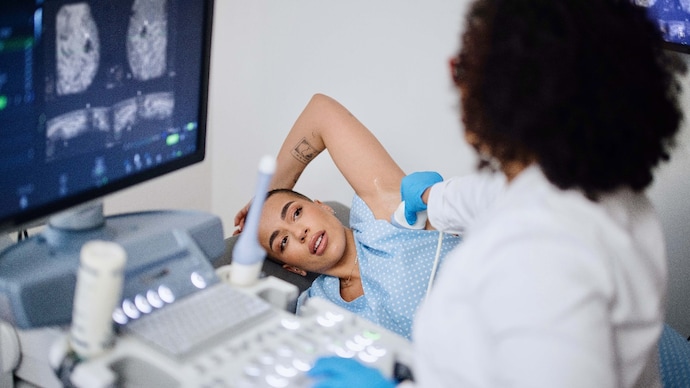
Cancer is no longer just about helping people survive. Increasingly, it is about helping them live well after treatment ends.
A new report by the World Health Organisation (WHO) has warned that annual cancer cases will rise by 66.7% by 2050, from 20.6 million to nearly 35 million globally. But alongside this growing burden is another challenge that often goes unnoticed: a rapidly increasing number of cancer survivors who need long-term medical and emotional support.
Advances in early diagnosis, targeted therapies, immunotherapy and minimally invasive surgeries have significantly improved survival rates, meaning more people are living for years after a cancer diagnosis.
According to Dr Aseem Kumar Samar, Director of Medical Oncology at CK Birla Hospitals, Jaipur, this is a remarkable achievement, but it has also created a new healthcare challenge.
"Cancer treatment has come a long way. Due to breakthroughs in detecting cancer early, personalising treatment, targeting specific cancer cells, using the body's immune system to fight cancer and improving surgical techniques, more cancer patients are living longer than ever before. This is a great accomplishment, but it also means we now have a steadily growing community of cancer survivors who need ongoing care," he said.
SURVIVING CANCER IS ONLY THE BEGINNING
Dr Samar explained that many patients believe their cancer journey ends when treatment is over, but in reality, it is the beginning of a new phase.
"The side effects of cancer or its treatment can continue for years. Survivors may experience fatigue, nerve damage, heart problems, hormonal changes, fertility issues or even a higher risk of the cancer returning or developing another cancer. Many of these patients need regular follow-up and timely medical intervention," he said.
The challenges are not only physical.
Cancer survivors often struggle with anxiety about recurrence, depression, changes in body image, memory and concentration problems, and difficulties returning to work or social life. Despite this, these issues are frequently overlooked.
"Being a cancer survivor means more than just living longer. It means living a healthier, more productive and fulfilling life," Dr Samar said.
WHY SURVIVORSHIP CARE NEEDS MORE ATTENTION
He stressed that survivorship care should become a routine part of cancer treatment rather than an afterthought.
This includes regular follow-up visits, rehabilitation, physiotherapy, nutritional counselling, mental health support, pain management and patient education to help survivors regain their physical and emotional well-being.
"The healthcare system needs to move away from focusing only on treating cancer to also caring for survivors. Survivorship clinics, rehabilitation programmes, mental health services and patient education should not be seen as optional—they should be part of every cancer care programme," he added.
The WHO report echoes this concern, noting that cancer affects far more than physical health. Its first global survey of people affected by cancer found that nearly half of patients face financial hardship, while more than half experience mental health challenges. Caregivers also report significant emotional and social strain.
As more people survive cancer than ever before, experts say the measure of success is changing.
"The real achievement in cancer care is not only measured by the number of extra years added to life, but by the quality of those years," Dr Samar said.
For healthcare systems, the next challenge may not simply be treating more cancer patients, but ensuring that the growing number of survivors receive the long-term care they need to truly recover.
Cancer is no longer just about helping people survive. Increasingly, it is about helping them live well after treatment ends.
A new report by the World Health Organisation (WHO) has warned that annual cancer cases will rise by 66.7% by 2050, from 20.6 million to nearly 35 million globally. But alongside this growing burden is another challenge that often goes unnoticed: a rapidly increasing number of cancer survivors who need long-term medical and emotional support.
Advances in early diagnosis, targeted therapies, immunotherapy and minimally invasive surgeries have significantly improved survival rates, meaning more people are living for years after a cancer diagnosis.
According to Dr Aseem Kumar Samar, Director of Medical Oncology at CK Birla Hospitals, Jaipur, this is a remarkable achievement, but it has also created a new healthcare challenge.
"Cancer treatment has come a long way. Due to breakthroughs in detecting cancer early, personalising treatment, targeting specific cancer cells, using the body's immune system to fight cancer and improving surgical techniques, more cancer patients are living longer than ever before. This is a great accomplishment, but it also means we now have a steadily growing community of cancer survivors who need ongoing care," he said.
SURVIVING CANCER IS ONLY THE BEGINNING
Dr Samar explained that many patients believe their cancer journey ends when treatment is over, but in reality, it is the beginning of a new phase.
"The side effects of cancer or its treatment can continue for years. Survivors may experience fatigue, nerve damage, heart problems, hormonal changes, fertility issues or even a higher risk of the cancer returning or developing another cancer. Many of these patients need regular follow-up and timely medical intervention," he said.
The challenges are not only physical.
Cancer survivors often struggle with anxiety about recurrence, depression, changes in body image, memory and concentration problems, and difficulties returning to work or social life. Despite this, these issues are frequently overlooked.
"Being a cancer survivor means more than just living longer. It means living a healthier, more productive and fulfilling life," Dr Samar said.
WHY SURVIVORSHIP CARE NEEDS MORE ATTENTION
He stressed that survivorship care should become a routine part of cancer treatment rather than an afterthought.
This includes regular follow-up visits, rehabilitation, physiotherapy, nutritional counselling, mental health support, pain management and patient education to help survivors regain their physical and emotional well-being.
"The healthcare system needs to move away from focusing only on treating cancer to also caring for survivors. Survivorship clinics, rehabilitation programmes, mental health services and patient education should not be seen as optional—they should be part of every cancer care programme," he added.
The WHO report echoes this concern, noting that cancer affects far more than physical health. Its first global survey of people affected by cancer found that nearly half of patients face financial hardship, while more than half experience mental health challenges. Caregivers also report significant emotional and social strain.
As more people survive cancer than ever before, experts say the measure of success is changing.
"The real achievement in cancer care is not only measured by the number of extra years added to life, but by the quality of those years," Dr Samar said.
For healthcare systems, the next challenge may not simply be treating more cancer patients, but ensuring that the growing number of survivors receive the long-term care they need to truly recover.

