Child survives 60% burns: Steps every parents should take after burn injury
A three-year-old's recovery from severe burns highlights that the first few minutes after a burn injury can help with healing, reduce complications and improve recovery outcomes.
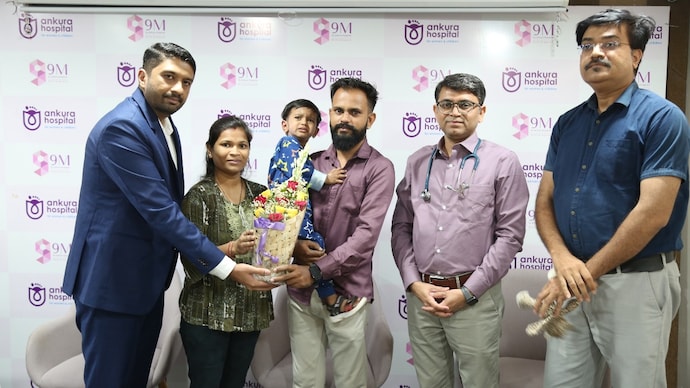
A three-year-old boy from Pune suffered burns across 60% of his body after accidentally falling into a container of hot tamarind liquid while playing at home.
The child spent more than 40 days undergoing intensive treatment after developing life-threatening complications, including cardiac arrest, shock and respiratory failure, before eventually recovering.
While doctors at Ankura Hospital for Women & Children describe his recovery as remarkable, they say the incident carries an important message for every parent.
"Early and appropriate first aid can limit the depth and extent of tissue damage, reduce pain, lower the risk of complications and improve healing outcomes," said Dr Milind M. Jambagi, Head of PICU and Pediatric Emergency Services at Ankura Hospital.
"The first few minutes after a burn are crucial," he added.
WHAT HAPPENS INSIDE THE SKIN?
Many parents believe that once a child is moved away from the hot liquid or flame, the danger has passed. Doctors say that isn't always the case.
According to Dr Jambagi, immediate first aid after a burn is critical because it can reduce tissue damage, ease pain and lower the risk of complications. He advises parents to immediately cool the affected area under cool running water for 15 to 20 minutes, saying this simple step can significantly improve healing outcomes.
Parents should avoid rubbing the burned area, as this can increase pain and may lead to blister formation.
If clothing is hot, it should first be cooled with water and then gently removed if it is not stuck to the skin. If clothing has stuck to the skin, only the loose portions should be removed. Clothing adhered to the burn should never be pulled away forcefully, as it can worsen the injury.
Once the area has been cooled, cover it with a clean cloth or sterile gauze while arranging medical care. Ice should never be applied directly to the burn because it can further damage the skin and delay healing.
THE HOME REMEDIES THAT CAN MAKE THINGS WORSE
In moments of panic, many families instinctively reach for toothpaste, butter, ghee or powders, believing they will soothe the burn. Doctors say these remedies can actually make treatment more difficult.
"These substances can trap heat, increase the risk of infection, interfere with medical assessment and worsen tissue damage," DrJambagi said.
Ice is another common mistake.
Although it may seem like the fastest way to cool a burn, direct ice application can further damage already injured skin and delay healing.
WHEN A BURN IS A MEDICAL EMERGENCY
Not every burn looks serious at first glance, but some require immediate medical attention regardless of their size.
Doctors advise seeking immediate medical attention for burns involving the face, mouth, hands, feet, genital area or major joints. Electrical burns should always be treated as emergencies.
Parents should also seek urgent care if a burn appears deep, covers a large area of the body, or is accompanied by bleeding or oozing.
Young children require special attention because even relatively small burns can lead to complications.
MOST CHILDHOOD BURNS HAPPEN AT HOME
While the severity of the Pune child's injuries was extraordinary, the circumstances that led to them were not.
Most childhood burns occur at home, often involving hot liquids, cooking surfaces, electrical appliances, fireworks or household chemicals.
"The first few minutes after a burn are crucial. Most burns in children happen at home and are preventable," Dr Jambagi said.
The Pune boy's recovery is a testament to weeks of specialised treatment, but doctors hope his story serves another purpose:reminding parents that while advanced medical care saves lives, the first aid given before reaching the hospital can also shape recovery.
Those first few minutes, doctors say, can influence how deeply the skin is damaged, how well it heals and, in severe cases, even the course of recovery.
A three-year-old boy from Pune suffered burns across 60% of his body after accidentally falling into a container of hot tamarind liquid while playing at home.
The child spent more than 40 days undergoing intensive treatment after developing life-threatening complications, including cardiac arrest, shock and respiratory failure, before eventually recovering.
While doctors at Ankura Hospital for Women & Children describe his recovery as remarkable, they say the incident carries an important message for every parent.
"Early and appropriate first aid can limit the depth and extent of tissue damage, reduce pain, lower the risk of complications and improve healing outcomes," said Dr Milind M. Jambagi, Head of PICU and Pediatric Emergency Services at Ankura Hospital.
"The first few minutes after a burn are crucial," he added.
WHAT HAPPENS INSIDE THE SKIN?
Many parents believe that once a child is moved away from the hot liquid or flame, the danger has passed. Doctors say that isn't always the case.
According to Dr Jambagi, immediate first aid after a burn is critical because it can reduce tissue damage, ease pain and lower the risk of complications. He advises parents to immediately cool the affected area under cool running water for 15 to 20 minutes, saying this simple step can significantly improve healing outcomes.
Parents should avoid rubbing the burned area, as this can increase pain and may lead to blister formation.
If clothing is hot, it should first be cooled with water and then gently removed if it is not stuck to the skin. If clothing has stuck to the skin, only the loose portions should be removed. Clothing adhered to the burn should never be pulled away forcefully, as it can worsen the injury.
Once the area has been cooled, cover it with a clean cloth or sterile gauze while arranging medical care. Ice should never be applied directly to the burn because it can further damage the skin and delay healing.
THE HOME REMEDIES THAT CAN MAKE THINGS WORSE
In moments of panic, many families instinctively reach for toothpaste, butter, ghee or powders, believing they will soothe the burn. Doctors say these remedies can actually make treatment more difficult.
"These substances can trap heat, increase the risk of infection, interfere with medical assessment and worsen tissue damage," DrJambagi said.
Ice is another common mistake.
Although it may seem like the fastest way to cool a burn, direct ice application can further damage already injured skin and delay healing.
WHEN A BURN IS A MEDICAL EMERGENCY
Not every burn looks serious at first glance, but some require immediate medical attention regardless of their size.
Doctors advise seeking immediate medical attention for burns involving the face, mouth, hands, feet, genital area or major joints. Electrical burns should always be treated as emergencies.
Parents should also seek urgent care if a burn appears deep, covers a large area of the body, or is accompanied by bleeding or oozing.
Young children require special attention because even relatively small burns can lead to complications.
MOST CHILDHOOD BURNS HAPPEN AT HOME
While the severity of the Pune child's injuries was extraordinary, the circumstances that led to them were not.
Most childhood burns occur at home, often involving hot liquids, cooking surfaces, electrical appliances, fireworks or household chemicals.
"The first few minutes after a burn are crucial. Most burns in children happen at home and are preventable," Dr Jambagi said.
The Pune boy's recovery is a testament to weeks of specialised treatment, but doctors hope his story serves another purpose:reminding parents that while advanced medical care saves lives, the first aid given before reaching the hospital can also shape recovery.
Those first few minutes, doctors say, can influence how deeply the skin is damaged, how well it heals and, in severe cases, even the course of recovery.

