Dengue is no longer just a monsoon disease: Doctor explains why
Dengue is no longer limited to the monsoon season in India. Rising temperatures, changing rainfall patterns and urban water stagnation are making it a year-round threat. A doctor explains why cases are rising earlier, symptoms to watch for and how prevention must now continue beyond the rains.
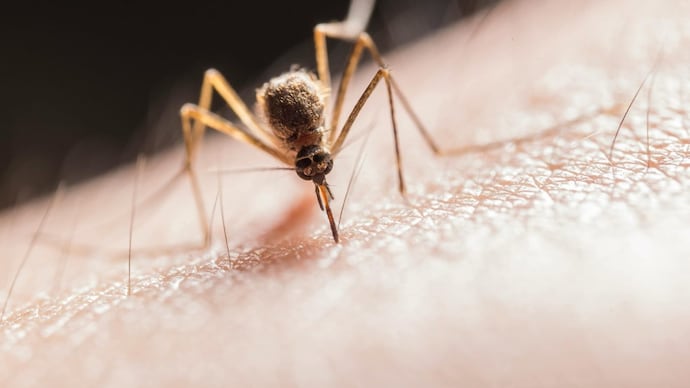
For years, dengue was seen as a seasonal illness that arrived with the monsoon and faded as winter approached. But that pattern is changing rapidly.
Across India, doctors are now reporting dengue cases much earlier than expected, sometimes even before the first major rains. Health experts say dengue is no longer just a monsoon disease it is becoming a year-round urban health threat.
According to the World Health Organisation (WHO), dengue is one of the fastest growing mosquito-borne viral infections globally, with rising temperatures, changing rainfall patterns and rapid urbanisation helping mosquitoes survive longer and spread faster.
NITI Aayog, in its Vision 2035 health roadmap, has also highlighted the growing burden of climate-sensitive diseases like dengue and the need for stronger disease surveillance and better urban public health systems.
The Indian Council of Medical Research has similarly pointed out that changing weather patterns and poor urban sanitation are making vector-borne diseases increasingly difficult to control.
WHY DENGUE IS ARRIVING BEFORE MONSOON
Dr. Niranjan Singh, Additional Director-Internal Medicine, CK Birla Hospitals, Jaipur, says unlike in the past, dengue can no longer be directly linked to the rainy season.
“The right climatic conditions for mosquito breeding are now available all year round,” he explained.
He says climate change is a major reason, but urban lifestyle factors are equally responsible.
“Water tanks, construction sites, choked sewerage systems, roof tanks, coolers and stagnant water have become breeding grounds for Aedes mosquitoes long before it even begins to rain. Urbanisation has made the mosquito extremely city adaptable.”
HOW HEAT IS MAKING DENGUE WORSE
Rising temperatures are speeding up mosquito breeding.
“The higher the temperature, the shorter the mosquito breeding cycle,” Dr Singh said.
This means mosquito larvae grow faster, reproduce quicker and the dengue virus also multiplies faster inside the mosquito.
“In practical terms, there are more infected mosquitoes around for a longer period, and transmission becomes more likely.”
This is one of the key reasons, dengue activities are now being seen outside its usual season.
SYMPTOMS DOCTORS ARE NOTICING NOW
Doctors are also seeing changes in how dengue presents itself.
Dr Singh says many patients now show milder or unusual early symptoms, making diagnosis harder.
“It can look like a simple viral illness in the beginning, which delays suspicion.”
However, severe cases are still common.
Doctors continue to see patients with:
- High fever
- Severe body pain
- Low platelet count
- Liver swelling
- Dehydration
- Bleeding problems
- Extreme weakness
Because dengue now circulates for a longer period through the year, delayed testing and treatment are becoming more common.
DENGUE IS NOW A YEAR-ROUND PUBLIC HEALTH THREAT
“Dengue can no longer be regarded as only a monsoon-related disease,” Dr Singh said.
He explains that climate shifts and urban environments are helping mosquitoes survive for longer periods.
This means prevention efforts cannot remain seasonal.
Experts say awareness campaigns, mosquito control and community monitoring must continue throughout the year, especially in cities.
BIGGEST MISTAKES PEOPLE MAKE
One of the most common myths is that, dengue mosquitoes breed only in dirty water.
“That is one of the biggest mistakes,” Dr Singh said.
In reality, Aedes mosquitoes breed in clean stagnant water found in:
- Coolers
- Flowerpots
- Buckets
- Water trays
- Water tanks
- Open containers
Another major issue is inconsistency.
People become careful only during outbreaks and forget precautions later.
PREVENTION TIPS EVERYONE SHOULD FOLLOW
- Simple habits can still make a big difference:
- Empty water containers regularly
- Cover stored water properly
- Clean coolers often
- Keep drains unclogged
- Use mosquito repellents
- Wear full-sleeved clothes
- Avoid stagnant water near homes
- Seek testing early if fever persists
Dr Singh adds that dengue prevention cannot be done alone.
“Community participation is just as important because the fight against dengue cannot be made individually.”
RECOVERY AND WHEN TO SEEK HELP
Most dengue patients recover with rest, fluids and timely medical care.
Doctors advise:
- Drinking plenty of water
- Taking proper rest
- Avoiding self-medication
- Monitoring fever closely
- Seeking immediate help if there is vomiting, bleeding, dizziness or weakness
Early diagnosis remains the strongest protection against severe dengue.
The message is now clear-dengue season no longer has a fixed season. Prevention must begin before the rain does.
Written by: Vidhya Das
For years, dengue was seen as a seasonal illness that arrived with the monsoon and faded as winter approached. But that pattern is changing rapidly.
Across India, doctors are now reporting dengue cases much earlier than expected, sometimes even before the first major rains. Health experts say dengue is no longer just a monsoon disease it is becoming a year-round urban health threat.
According to the World Health Organisation (WHO), dengue is one of the fastest growing mosquito-borne viral infections globally, with rising temperatures, changing rainfall patterns and rapid urbanisation helping mosquitoes survive longer and spread faster.
NITI Aayog, in its Vision 2035 health roadmap, has also highlighted the growing burden of climate-sensitive diseases like dengue and the need for stronger disease surveillance and better urban public health systems.
The Indian Council of Medical Research has similarly pointed out that changing weather patterns and poor urban sanitation are making vector-borne diseases increasingly difficult to control.
WHY DENGUE IS ARRIVING BEFORE MONSOON
Dr. Niranjan Singh, Additional Director-Internal Medicine, CK Birla Hospitals, Jaipur, says unlike in the past, dengue can no longer be directly linked to the rainy season.
“The right climatic conditions for mosquito breeding are now available all year round,” he explained.
He says climate change is a major reason, but urban lifestyle factors are equally responsible.
“Water tanks, construction sites, choked sewerage systems, roof tanks, coolers and stagnant water have become breeding grounds for Aedes mosquitoes long before it even begins to rain. Urbanisation has made the mosquito extremely city adaptable.”
HOW HEAT IS MAKING DENGUE WORSE
Rising temperatures are speeding up mosquito breeding.
“The higher the temperature, the shorter the mosquito breeding cycle,” Dr Singh said.
This means mosquito larvae grow faster, reproduce quicker and the dengue virus also multiplies faster inside the mosquito.
“In practical terms, there are more infected mosquitoes around for a longer period, and transmission becomes more likely.”
This is one of the key reasons, dengue activities are now being seen outside its usual season.
SYMPTOMS DOCTORS ARE NOTICING NOW
Doctors are also seeing changes in how dengue presents itself.
Dr Singh says many patients now show milder or unusual early symptoms, making diagnosis harder.
“It can look like a simple viral illness in the beginning, which delays suspicion.”
However, severe cases are still common.
Doctors continue to see patients with:
- High fever
- Severe body pain
- Low platelet count
- Liver swelling
- Dehydration
- Bleeding problems
- Extreme weakness
Because dengue now circulates for a longer period through the year, delayed testing and treatment are becoming more common.
DENGUE IS NOW A YEAR-ROUND PUBLIC HEALTH THREAT
“Dengue can no longer be regarded as only a monsoon-related disease,” Dr Singh said.
He explains that climate shifts and urban environments are helping mosquitoes survive for longer periods.
This means prevention efforts cannot remain seasonal.
Experts say awareness campaigns, mosquito control and community monitoring must continue throughout the year, especially in cities.
BIGGEST MISTAKES PEOPLE MAKE
One of the most common myths is that, dengue mosquitoes breed only in dirty water.
“That is one of the biggest mistakes,” Dr Singh said.
In reality, Aedes mosquitoes breed in clean stagnant water found in:
- Coolers
- Flowerpots
- Buckets
- Water trays
- Water tanks
- Open containers
Another major issue is inconsistency.
People become careful only during outbreaks and forget precautions later.
PREVENTION TIPS EVERYONE SHOULD FOLLOW
- Simple habits can still make a big difference:
- Empty water containers regularly
- Cover stored water properly
- Clean coolers often
- Keep drains unclogged
- Use mosquito repellents
- Wear full-sleeved clothes
- Avoid stagnant water near homes
- Seek testing early if fever persists
Dr Singh adds that dengue prevention cannot be done alone.
“Community participation is just as important because the fight against dengue cannot be made individually.”
RECOVERY AND WHEN TO SEEK HELP
Most dengue patients recover with rest, fluids and timely medical care.
Doctors advise:
- Drinking plenty of water
- Taking proper rest
- Avoiding self-medication
- Monitoring fever closely
- Seeking immediate help if there is vomiting, bleeding, dizziness or weakness
Early diagnosis remains the strongest protection against severe dengue.
The message is now clear-dengue season no longer has a fixed season. Prevention must begin before the rain does.
Written by: Vidhya Das

