Early heatwave triggers spike in dehydration, fatigue among children
As temperatures soar, doctors are witnessing many children appearing in OPDs presenting a range of symptoms due to heart exhaustion.
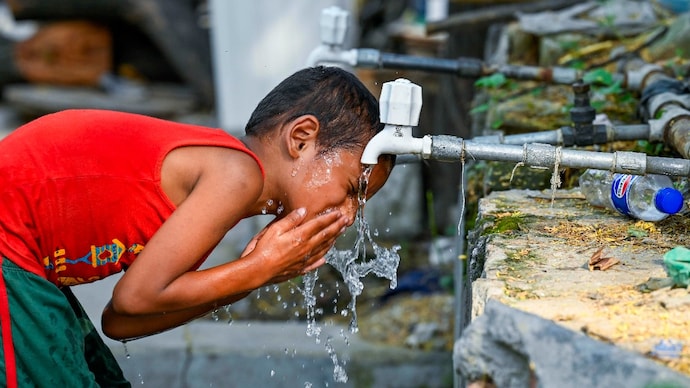
As temperatures begin to soar earlier in the season, paediatricians are reporting a steady rise in heat-related illnesses among children, especially those between the ages of 5 and 14.
Children are more prone to dehydration due to prolonged heat exposure.
At outpatient departments (OPDs), doctors are now attending to multiple such cases every day. “We are seeing around 3–4 children daily with symptoms that can be attributed to heat exposure, dehydration, or mild heat exhaustion,” said Dr. Amit Gupta, Senior Consultant, Paediatrician and Neonatologist at Motherhood Hospitals, Noida.
COMMON SYMPTOMS PARENTS SHOULD NOT IGNORE
Children are presenting with a range of complaints that may initially seem mild but can worsen if left unaddressed.
The most frequently reported symptoms include dehydration, headache, fatigue, dizziness, vomiting or nausea, mild fever, weakness, and reduced appetite.
Some children also show signs of irritability and unusual lethargy, early indicators that the body is struggling to cope with heat and fluid loss.
In many cases, these symptoms appear after children return from school or outdoor play during peak afternoon heat.
According to Dr. Gupta, one key concern is inadequate hydration. “Many children are not drinking enough water during school hours. Instead, there is an increased consumption of packaged sugary drinks, which do not effectively hydrate the body,” he explained.
CHILDREN ARE MORE VULNERABLE
Children in the 5–14 age group are particularly at risk because they tend to spend more time outdoors, whether during school activities or play.
Their bodies also lose fluids faster in hot weather, and they may not always recognise or communicate early signs of dehydration.
Long hours under direct sunlight, combined with insufficient fluid intake, can put extra stress on a child’s body.
Over time, this can lead to worsening dehydration and heat exhaustion, and in some cases, may even require hospitalisation.
STEPS FOR CHILDREN TO STAY SAFE
Parents are advised to ensure children drink water regularly throughout the day, even if they do not feel thirsty.
Avoiding outdoor activities between 11 am and 4 pm when temperatures are at their peak is equally important.
Light, loose-fitting cotton clothes help the body stay cool and reduce heat retention. Children should be encouraged to carry water bottles to school and take frequent hydration breaks.
Fresh, homemade drinks like lemon water, coconut water, and buttermilk can be more effective than sugary beverages in maintaining hydration.
Diet is another key factor, light, water-rich foods such as watermelon, cucumber, curd, oranges, and simple meals like dal and rice help replenish fluids and maintain energy levels.
On the other hand, junk food, oily meals, and processed snacks can make children feel more sluggish and should be limited during extreme heat.
While mild symptoms can be managed at home, parents should stay alert to warning signs that may indicate worsening heat-related illness.
Persistent vomiting, severe dizziness, extreme fatigue, or inability to keep fluids down require immediate medical attention.
Doctors also recommend encouraging indoor activities during peak heat hours and ensuring children get adequate rest.
As temperatures begin to soar earlier in the season, paediatricians are reporting a steady rise in heat-related illnesses among children, especially those between the ages of 5 and 14.
Children are more prone to dehydration due to prolonged heat exposure.
At outpatient departments (OPDs), doctors are now attending to multiple such cases every day. “We are seeing around 3–4 children daily with symptoms that can be attributed to heat exposure, dehydration, or mild heat exhaustion,” said Dr. Amit Gupta, Senior Consultant, Paediatrician and Neonatologist at Motherhood Hospitals, Noida.
COMMON SYMPTOMS PARENTS SHOULD NOT IGNORE
Children are presenting with a range of complaints that may initially seem mild but can worsen if left unaddressed.
The most frequently reported symptoms include dehydration, headache, fatigue, dizziness, vomiting or nausea, mild fever, weakness, and reduced appetite.
Some children also show signs of irritability and unusual lethargy, early indicators that the body is struggling to cope with heat and fluid loss.
In many cases, these symptoms appear after children return from school or outdoor play during peak afternoon heat.
According to Dr. Gupta, one key concern is inadequate hydration. “Many children are not drinking enough water during school hours. Instead, there is an increased consumption of packaged sugary drinks, which do not effectively hydrate the body,” he explained.
CHILDREN ARE MORE VULNERABLE
Children in the 5–14 age group are particularly at risk because they tend to spend more time outdoors, whether during school activities or play.
Their bodies also lose fluids faster in hot weather, and they may not always recognise or communicate early signs of dehydration.
Long hours under direct sunlight, combined with insufficient fluid intake, can put extra stress on a child’s body.
Over time, this can lead to worsening dehydration and heat exhaustion, and in some cases, may even require hospitalisation.
STEPS FOR CHILDREN TO STAY SAFE
Parents are advised to ensure children drink water regularly throughout the day, even if they do not feel thirsty.
Avoiding outdoor activities between 11 am and 4 pm when temperatures are at their peak is equally important.
Light, loose-fitting cotton clothes help the body stay cool and reduce heat retention. Children should be encouraged to carry water bottles to school and take frequent hydration breaks.
Fresh, homemade drinks like lemon water, coconut water, and buttermilk can be more effective than sugary beverages in maintaining hydration.
Diet is another key factor, light, water-rich foods such as watermelon, cucumber, curd, oranges, and simple meals like dal and rice help replenish fluids and maintain energy levels.
On the other hand, junk food, oily meals, and processed snacks can make children feel more sluggish and should be limited during extreme heat.
While mild symptoms can be managed at home, parents should stay alert to warning signs that may indicate worsening heat-related illness.
Persistent vomiting, severe dizziness, extreme fatigue, or inability to keep fluids down require immediate medical attention.
Doctors also recommend encouraging indoor activities during peak heat hours and ensuring children get adequate rest.

