Why Africa's Ebola crisis is raising more alarm than cruise ship hantavirus
WHO has declared the Ebola outbreak in Central Africa a global health emergency after cases surfaced in the DRC and Uganda. Experts say the Bundibugyo strain, urban spread and weak diagnostics make containment harder than the MV Hondius hantavirus outbreak.
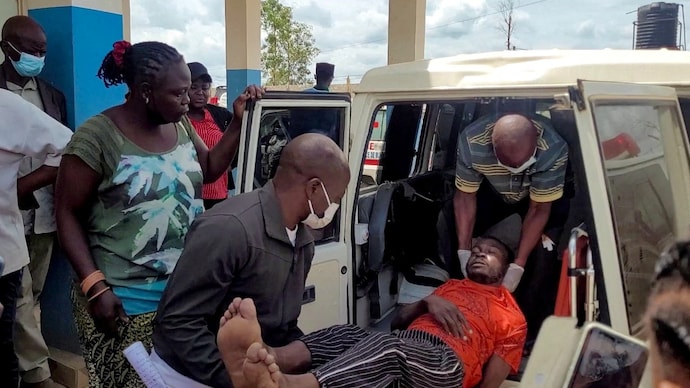
The World Health Organization's declaration of the Ebola outbreak in Central Africa as a Public Health Emergency of International Concern has raised concerns over another cross-border health emergency, with experts saying the situation carries far greater risks than the recent hantavirus outbreak linked to the MV Hondius cruise ship.
The declaration, only the ninth such emergency in WHO history, followed reports of eight laboratory-confirmed Ebola cases, 246 suspected infections and 80 suspected deaths in Ituri Province in the Democratic Republic of the Congo (DRC).
Ebola, first reported in 1976 in DRC, is a severe disease with a very high fatality rate and spreads between humans through body fluids, including coming in contact with blood, vomit, stool from infected people or during burials.
Uganda, which shares a porous border with the DRC, has also confirmed two cases, including one death. Health authorities are worried because suspected infections have reportedly surfaced in major urban centres, including Kinshasa in the DRC and Kampala in Uganda.
The US is also trying to repatriate at least six American citizens believed to have been exposed to the virus in the DRC.
The WHO described the outbreak as "an extraordinary event" and warned of "significant uncertainties" around both the true number of infections and the geographical spread of the disease.
Experts said those uncertainties are exactly what make the outbreak difficult to handle.
LARGER SPREAD RISK
Unlike the hantavirus outbreak linked to the Antarctic cruise ship MV Hondius, which unfolded in a relatively controlled setting, Ebola is spreading in areas where surveillance systems, diagnostic capacity and healthcare infrastructure remain strained.
Dr Gautam Menon, professor of biology and physics at Ashoka University, said the comparison between the two outbreaks shows why global agencies are more alarmed by Ebola.
"Ebola cases have been reported from two major cities in Africa and the genuine concern is that many have been missed," he said.
Dr Menon added that there are currently no reliable diagnostics for this particular strain of the Ebola virus, making detection and containment harder.
He also said the broader global health landscape has changed. "Given the US withdrawal from the global health arena, the resources to handle a major outbreak are limited," he said.
By contrast, Dr Menon said the hantavirus outbreak on the cruise ship was easier to contain because every passenger could be identified, tracked and quarantined if needed.
"It was, in principle, a far more controlled situation, posing a far lesser danger to the public," he said.
That difference between a contained outbreak and one that may be spreading silently across borders is central to the current concern.
UNKNOWN VIRUS BEHAVIOUR
Virologists said the present Ebola outbreak is especially concerning because it involves the Bundibugyo species of the virus, rather than the better-known Zaire strain responsible for several earlier outbreaks in Africa.
Three different viruses are known to cause large Ebola disease outbreaks: Ebola virus, Sudan virus and Bundibugyo virus.
Dr Gagandeep Kang, virologist and director, global health at the Gates Foundation in the US, said the current virus differs by nearly 30 per cent from the Zaire Ebolavirus, raising questions over whether existing vaccines or antibody treatments will work effectively.
"In any infectious disease, the declaration of a public health emergency depends on its potential to spread, case fatality rate and how difficult it is to control," she told India Today.
Ebola spreads from person to person through bodily fluids such as blood, vomit and diarrhoea. In severe cases, patients can suffer organ failure and internal or external bleeding.
Previous outbreaks of the Bundibugyo strain have killed around 30 per cent of infected people.
The latest outbreak is believed to have begun in March, but weak healthcare access and poor diagnostic systems meant many early cases were mistaken for malaria or other common tropical diseases. By the time authorities recognised the outbreak, transmission chains may already have widened.
The challenge is also shaped by geography. Ituri Province is difficult to access, making surveillance and treatment harder. Communities often move across borders for trade, family and work, increasing the possibility of regional spread.
"All depends on travel," Dr Kang said, warning that infected people could unknowingly carry the virus into neighbouring countries.
She added, however, that the immediate concern remains regional transmission within Africa rather than a global pandemic scenario.
Even so, Ebola symptoms can take between two and 21 days to appear, which means infected travellers may cross borders before becoming visibly ill.
WHY HANTAVIRUS DIFFERS
The hantavirus outbreak linked to the MV Hondius drew attention because the Andes strain involved can spread between humans, which is unusual for hantaviruses that are typically transmitted from rodents to humans.
But experts said key differences make that outbreak less threatening on a global scale. It happened within the confined setting of a cruise ship, allowing health authorities to quickly identify contacts and isolate infected passengers.
Hantaviruses are also generally not well adapted to human transmission. "It is likely that the spread is respiratory," Dr Kang said of the Andes virus.
"But the hantavirus comes from rodents and is not well adapted to humans." She said straightforward infection-control measures, including isolating infected people and protecting caregivers, are usually enough to stop onward spread.
Experts said Ebola presents a more complicated situation because of weak health systems, delayed detection, limited diagnostics and uncertainty over available treatments.
There is also no approved vaccine specifically targeting the Bundibugyo strain, as existing
Ebola vaccines were developed mainly for the Zaire species. WHO's emergency declaration is meant to trigger faster international coordination, funding and resource mobilisation, but experts said response systems weakened by pandemic fatigue and shifting geopolitical priorities may struggle to react quickly enough.
At the same time, experts stressed that Ebola does not spread through the air like influenza or COVID-19. Infection usually requires direct contact with bodily fluids, which means the risk to the wider global public remains relatively low if monitoring and containment measures are enforced aggressively.
Even so, the latest outbreak in the DRC and Uganda, the reports of suspected cases in Kinshasa and Kampala, and the uncertainties around detection, spread and treatment have brought back memories of the 2014 West Africa Ebola epidemic, which killed more than 11,000 people and exposed major gaps in global outbreak preparedness.
The World Health Organization's declaration of the Ebola outbreak in Central Africa as a Public Health Emergency of International Concern has raised concerns over another cross-border health emergency, with experts saying the situation carries far greater risks than the recent hantavirus outbreak linked to the MV Hondius cruise ship.
The declaration, only the ninth such emergency in WHO history, followed reports of eight laboratory-confirmed Ebola cases, 246 suspected infections and 80 suspected deaths in Ituri Province in the Democratic Republic of the Congo (DRC).
Ebola, first reported in 1976 in DRC, is a severe disease with a very high fatality rate and spreads between humans through body fluids, including coming in contact with blood, vomit, stool from infected people or during burials.
Uganda, which shares a porous border with the DRC, has also confirmed two cases, including one death. Health authorities are worried because suspected infections have reportedly surfaced in major urban centres, including Kinshasa in the DRC and Kampala in Uganda.
The US is also trying to repatriate at least six American citizens believed to have been exposed to the virus in the DRC.
The WHO described the outbreak as "an extraordinary event" and warned of "significant uncertainties" around both the true number of infections and the geographical spread of the disease.
Experts said those uncertainties are exactly what make the outbreak difficult to handle.
LARGER SPREAD RISK
Unlike the hantavirus outbreak linked to the Antarctic cruise ship MV Hondius, which unfolded in a relatively controlled setting, Ebola is spreading in areas where surveillance systems, diagnostic capacity and healthcare infrastructure remain strained.
Dr Gautam Menon, professor of biology and physics at Ashoka University, said the comparison between the two outbreaks shows why global agencies are more alarmed by Ebola.
"Ebola cases have been reported from two major cities in Africa and the genuine concern is that many have been missed," he said.
Dr Menon added that there are currently no reliable diagnostics for this particular strain of the Ebola virus, making detection and containment harder.
He also said the broader global health landscape has changed. "Given the US withdrawal from the global health arena, the resources to handle a major outbreak are limited," he said.
By contrast, Dr Menon said the hantavirus outbreak on the cruise ship was easier to contain because every passenger could be identified, tracked and quarantined if needed.
"It was, in principle, a far more controlled situation, posing a far lesser danger to the public," he said.
That difference between a contained outbreak and one that may be spreading silently across borders is central to the current concern.
UNKNOWN VIRUS BEHAVIOUR
Virologists said the present Ebola outbreak is especially concerning because it involves the Bundibugyo species of the virus, rather than the better-known Zaire strain responsible for several earlier outbreaks in Africa.
Three different viruses are known to cause large Ebola disease outbreaks: Ebola virus, Sudan virus and Bundibugyo virus.
Dr Gagandeep Kang, virologist and director, global health at the Gates Foundation in the US, said the current virus differs by nearly 30 per cent from the Zaire Ebolavirus, raising questions over whether existing vaccines or antibody treatments will work effectively.
"In any infectious disease, the declaration of a public health emergency depends on its potential to spread, case fatality rate and how difficult it is to control," she told India Today.
Ebola spreads from person to person through bodily fluids such as blood, vomit and diarrhoea. In severe cases, patients can suffer organ failure and internal or external bleeding.
Previous outbreaks of the Bundibugyo strain have killed around 30 per cent of infected people.
The latest outbreak is believed to have begun in March, but weak healthcare access and poor diagnostic systems meant many early cases were mistaken for malaria or other common tropical diseases. By the time authorities recognised the outbreak, transmission chains may already have widened.
The challenge is also shaped by geography. Ituri Province is difficult to access, making surveillance and treatment harder. Communities often move across borders for trade, family and work, increasing the possibility of regional spread.
"All depends on travel," Dr Kang said, warning that infected people could unknowingly carry the virus into neighbouring countries.
She added, however, that the immediate concern remains regional transmission within Africa rather than a global pandemic scenario.
Even so, Ebola symptoms can take between two and 21 days to appear, which means infected travellers may cross borders before becoming visibly ill.
WHY HANTAVIRUS DIFFERS
The hantavirus outbreak linked to the MV Hondius drew attention because the Andes strain involved can spread between humans, which is unusual for hantaviruses that are typically transmitted from rodents to humans.
But experts said key differences make that outbreak less threatening on a global scale. It happened within the confined setting of a cruise ship, allowing health authorities to quickly identify contacts and isolate infected passengers.
Hantaviruses are also generally not well adapted to human transmission. "It is likely that the spread is respiratory," Dr Kang said of the Andes virus.
"But the hantavirus comes from rodents and is not well adapted to humans." She said straightforward infection-control measures, including isolating infected people and protecting caregivers, are usually enough to stop onward spread.
Experts said Ebola presents a more complicated situation because of weak health systems, delayed detection, limited diagnostics and uncertainty over available treatments.
There is also no approved vaccine specifically targeting the Bundibugyo strain, as existing
Ebola vaccines were developed mainly for the Zaire species. WHO's emergency declaration is meant to trigger faster international coordination, funding and resource mobilisation, but experts said response systems weakened by pandemic fatigue and shifting geopolitical priorities may struggle to react quickly enough.
At the same time, experts stressed that Ebola does not spread through the air like influenza or COVID-19. Infection usually requires direct contact with bodily fluids, which means the risk to the wider global public remains relatively low if monitoring and containment measures are enforced aggressively.
Even so, the latest outbreak in the DRC and Uganda, the reports of suspected cases in Kinshasa and Kampala, and the uncertainties around detection, spread and treatment have brought back memories of the 2014 West Africa Ebola epidemic, which killed more than 11,000 people and exposed major gaps in global outbreak preparedness.

