France curbs alcohol in heatwave: Why drinking in extreme heat is risky
France has restricted public alcohol sales and drinking in several heatwave-hit areas as temperatures cross 40°C. The move reflects warnings that alcohol can worsen dehydration, heat exhaustion and cardiac emergencies.
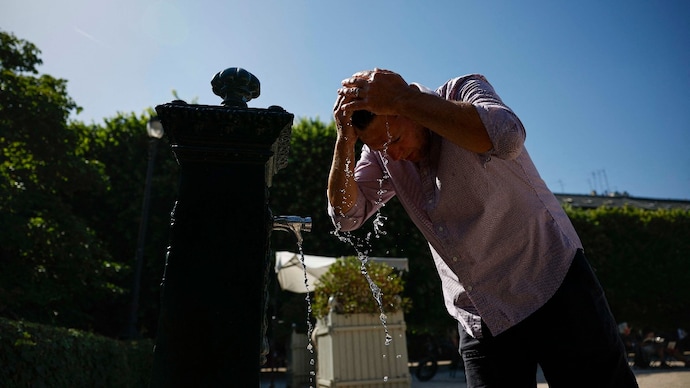
As Europe battles one of its most intense heatwaves in recent years, authorities are taking an unusual public health measure: restricting alcohol.
In France, officials have temporarily banned the public sale and consumption of alcohol in several heatwave-hit areas to reduce the burden on already stretched emergency services.
The move comes as temperatures have crossed 40 degrees Celsius in parts of the country, while Spain has reported more than 200 heat-related deaths since June 21.
The restrictions point to alcohol and extreme heat as a dangerous combination that can quickly turn life-threatening.
WHY ALCOHOL MAKES THE BODY STRUGGLE IN THE HEAT
When temperatures soar, the body relies on sweating and increased blood flow to the skin to cool itself down. Alcohol interferes with both these natural defence mechanisms.
It acts as a diuretic, causing the body to lose more fluids through urine. Combined with heavy sweating, this can lead to rapid dehydration, making it harder for the body to regulate its temperature.
Alcohol also widens blood vessels, which can cause a drop in blood pressure. In hot weather, this may increase the risk of dizziness, fainting and falls, especially among older adults.
Perhaps most dangerously, alcohol impairs judgement.
People who have been drinking are less likely to recognise early warning signs of heat exhaustion, such as excessive thirst, muscle cramps, headache, nausea and confusion. They may also ignore symptoms for longer or continue spending time outdoors despite rising body temperatures.
As dehydration worsens, heat exhaustion can progress to heatstroke, a medical emergency in which the body's temperature rises above 40°C. Heatstroke can damage the brain, heart and kidneys and, if not treated immediately, can be fatal.
WHO FACES THE HIGHEST RISK?
Older adults, young children, pregnant women and people with heart disease, diabetes, kidney disease or high blood pressure are particularly vulnerable.
Alcohol places additional strain on the cardiovascular system by increasing the heart's workload at a time when the body is already trying to cope with extreme temperatures. This can trigger serious complications, including heart attacks and abnormal heart rhythms in susceptible individuals.
The risk becomes even greater during outdoor events, concerts, sporting fixtures or festivals, where people may spend hours in direct sunlight while consuming alcohol without drinking enough water.
That is one reason French authorities decided to restrict alcohol consumption during public events as hospitals reported a surge in heat-related illnesses, dehydration and cardiac emergencies.
HOW TO STAY SAFE DURING A HEATWAVE
Doctors advise avoiding alcohol during the hottest part of the day—or skipping it altogether when temperatures are extreme.
Instead:
- Drink water regularly, even if you don't feel thirsty.
- Choose oral rehydration solutions if you have been sweating heavily.
- Avoid prolonged exposure to direct sunlight between late morning and afternoon.
- Wear loose, light-coloured clothing.
- Never replace water with beer, wine or cocktails to quench thirst.
Watch for warning signs such as dizziness, confusion, rapid heartbeat, nausea or unusually hot, dry skin, and seek medical help immediately if these occur.
With climate change making heatwaves more frequent and intense across the world, health experts say people need to rethink habits that may have seemed harmless in cooler weather.
That evening drink might feel refreshing, but during an extreme heatwave, it could leave your body struggling to cope with the heat—turning a relaxing beverage into a potentially dangerous one.
As Europe battles one of its most intense heatwaves in recent years, authorities are taking an unusual public health measure: restricting alcohol.
In France, officials have temporarily banned the public sale and consumption of alcohol in several heatwave-hit areas to reduce the burden on already stretched emergency services.
The move comes as temperatures have crossed 40 degrees Celsius in parts of the country, while Spain has reported more than 200 heat-related deaths since June 21.
The restrictions point to alcohol and extreme heat as a dangerous combination that can quickly turn life-threatening.
WHY ALCOHOL MAKES THE BODY STRUGGLE IN THE HEAT
When temperatures soar, the body relies on sweating and increased blood flow to the skin to cool itself down. Alcohol interferes with both these natural defence mechanisms.
It acts as a diuretic, causing the body to lose more fluids through urine. Combined with heavy sweating, this can lead to rapid dehydration, making it harder for the body to regulate its temperature.
Alcohol also widens blood vessels, which can cause a drop in blood pressure. In hot weather, this may increase the risk of dizziness, fainting and falls, especially among older adults.
Perhaps most dangerously, alcohol impairs judgement.
People who have been drinking are less likely to recognise early warning signs of heat exhaustion, such as excessive thirst, muscle cramps, headache, nausea and confusion. They may also ignore symptoms for longer or continue spending time outdoors despite rising body temperatures.
As dehydration worsens, heat exhaustion can progress to heatstroke, a medical emergency in which the body's temperature rises above 40°C. Heatstroke can damage the brain, heart and kidneys and, if not treated immediately, can be fatal.
WHO FACES THE HIGHEST RISK?
Older adults, young children, pregnant women and people with heart disease, diabetes, kidney disease or high blood pressure are particularly vulnerable.
Alcohol places additional strain on the cardiovascular system by increasing the heart's workload at a time when the body is already trying to cope with extreme temperatures. This can trigger serious complications, including heart attacks and abnormal heart rhythms in susceptible individuals.
The risk becomes even greater during outdoor events, concerts, sporting fixtures or festivals, where people may spend hours in direct sunlight while consuming alcohol without drinking enough water.
That is one reason French authorities decided to restrict alcohol consumption during public events as hospitals reported a surge in heat-related illnesses, dehydration and cardiac emergencies.
HOW TO STAY SAFE DURING A HEATWAVE
Doctors advise avoiding alcohol during the hottest part of the day—or skipping it altogether when temperatures are extreme.
Instead:
- Drink water regularly, even if you don't feel thirsty.
- Choose oral rehydration solutions if you have been sweating heavily.
- Avoid prolonged exposure to direct sunlight between late morning and afternoon.
- Wear loose, light-coloured clothing.
- Never replace water with beer, wine or cocktails to quench thirst.
Watch for warning signs such as dizziness, confusion, rapid heartbeat, nausea or unusually hot, dry skin, and seek medical help immediately if these occur.
With climate change making heatwaves more frequent and intense across the world, health experts say people need to rethink habits that may have seemed harmless in cooler weather.
That evening drink might feel refreshing, but during an extreme heatwave, it could leave your body struggling to cope with the heat—turning a relaxing beverage into a potentially dangerous one.

