Watching FIFA at midnight? Doctors warn mixing energy drinks with sleep loss
Doctors have warned that late-night World Cup matches with energy drinks or caffeine-heavy drinks and constant scrolling can disrupt sleep and strain the body. They say the pattern affects heart health, hunger hormones and brain function, especially in young fans.
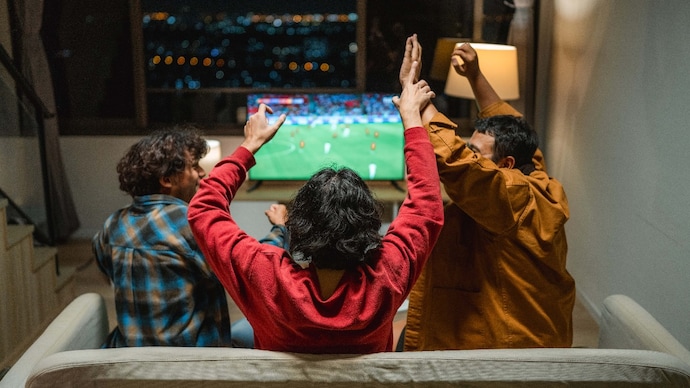
The FIFA World Cup is keeping football fans glued to their screens well past midnight. But doctors say the excitement of late-night matches comes with a hidden health cost, especially for teenagers and young adults who stay awake with the help of energy drinks while scrolling endlessly on social media.
Health experts warn that this combination of sleep deprivation, caffeine and prolonged screen exposure can affect the heart, hormones and brain, with consequences that extend far beyond feeling tired the next day.
YOUR HEART WORKS OVERTIME
According to Dr. Mahesh Prasad Agarwala, Consultant Interventional Cardiologist at Manipal Hospital, Bhubaneswar, sleep is essential for cardiovascular health.
"Missing several hours of sleep, especially over consecutive nights, activates the body's stress response, leading to an increase in heart rate and blood pressure," he said.
While healthy people may tolerate an occasional late night, repeatedly sacrificing sleep can increase long-term cardiovascular risk. The problem becomes more serious when sleep deprivation is paired with energy drinks, which are often packed with caffeine and other stimulants.
"These beverages can further elevate heart rate, increase blood pressure and trigger palpitations in susceptible individuals," Dr. Agarwala explained.
Young people with high blood pressure, underlying heart disease or a family history of cardiac conditions may be particularly vulnerable.
He added that prolonged scrolling before and after matches exposes the eyes to blue light, which suppresses melatonin—the hormone that regulates sleep—making it even harder to fall asleep.
CRAVING JUNK FOOD AFTER STAYING AWAKE
Losing sleep doesn't just leave people exhausted, it also alters hormones that regulate hunger.
Dr. Jatin Kumar Majhi, Associate Consultant in Endocrinology at Manipal Hospital, Bhubaneswar, said even one or two nights of inadequate sleep can increase ghrelin, the hormone that stimulates hunger, while reducing leptin, which signals fullness.
"As a result, sleep-deprived individuals are more likely to crave sugary, salty and high-calorie foods, leading to overeating," he said.
Energy drinks though temporarily boost alertness, their high caffeine and sugar content can worsen blood sugar fluctuations and further interfere with sleep quality, creating a vicious cycle.
Dr. Majhi advises young viewers to limit caffeinated beverages, stay hydrated and return to a normal sleep schedule as soon as possible after late-night matches.
BRAIN PAYS THE PRICE TOO
Late-night football marathons also affect mental performance.
According to Dr. Amrut S D, Consultant Neurologist at Manipal Hospital Goa, bright screens, social media and the fear of missing out (FOMO) keep the brain in a constant state of alertness.
"Whether watching a match, scrolling through social media or checking highlights after the game, continuous screen use signals the brain to remain alert, making it harder to fall asleep even after the excitement ends," he said.
Poor sleep, he added, affects attention, memory, decision-making and emotional regulation. Students may experience brain fog, slower reaction times and poorer academic performance, while athletes may see impaired recovery, reduced endurance and a greater risk of injuries.
The neurologist recommends avoiding screens for at least an hour before bedtime, limiting caffeine in the evening and maintaining a consistent sleep schedule.
"Entertainment is important and sports are exciting," Dr. Amrut said. "But protecting sleep remains essential for healthy brain function, learning and overall well-being."
The FIFA World Cup is keeping football fans glued to their screens well past midnight. But doctors say the excitement of late-night matches comes with a hidden health cost, especially for teenagers and young adults who stay awake with the help of energy drinks while scrolling endlessly on social media.
Health experts warn that this combination of sleep deprivation, caffeine and prolonged screen exposure can affect the heart, hormones and brain, with consequences that extend far beyond feeling tired the next day.
YOUR HEART WORKS OVERTIME
According to Dr. Mahesh Prasad Agarwala, Consultant Interventional Cardiologist at Manipal Hospital, Bhubaneswar, sleep is essential for cardiovascular health.
"Missing several hours of sleep, especially over consecutive nights, activates the body's stress response, leading to an increase in heart rate and blood pressure," he said.
While healthy people may tolerate an occasional late night, repeatedly sacrificing sleep can increase long-term cardiovascular risk. The problem becomes more serious when sleep deprivation is paired with energy drinks, which are often packed with caffeine and other stimulants.
"These beverages can further elevate heart rate, increase blood pressure and trigger palpitations in susceptible individuals," Dr. Agarwala explained.
Young people with high blood pressure, underlying heart disease or a family history of cardiac conditions may be particularly vulnerable.
He added that prolonged scrolling before and after matches exposes the eyes to blue light, which suppresses melatonin—the hormone that regulates sleep—making it even harder to fall asleep.
CRAVING JUNK FOOD AFTER STAYING AWAKE
Losing sleep doesn't just leave people exhausted, it also alters hormones that regulate hunger.
Dr. Jatin Kumar Majhi, Associate Consultant in Endocrinology at Manipal Hospital, Bhubaneswar, said even one or two nights of inadequate sleep can increase ghrelin, the hormone that stimulates hunger, while reducing leptin, which signals fullness.
"As a result, sleep-deprived individuals are more likely to crave sugary, salty and high-calorie foods, leading to overeating," he said.
Energy drinks though temporarily boost alertness, their high caffeine and sugar content can worsen blood sugar fluctuations and further interfere with sleep quality, creating a vicious cycle.
Dr. Majhi advises young viewers to limit caffeinated beverages, stay hydrated and return to a normal sleep schedule as soon as possible after late-night matches.
BRAIN PAYS THE PRICE TOO
Late-night football marathons also affect mental performance.
According to Dr. Amrut S D, Consultant Neurologist at Manipal Hospital Goa, bright screens, social media and the fear of missing out (FOMO) keep the brain in a constant state of alertness.
"Whether watching a match, scrolling through social media or checking highlights after the game, continuous screen use signals the brain to remain alert, making it harder to fall asleep even after the excitement ends," he said.
Poor sleep, he added, affects attention, memory, decision-making and emotional regulation. Students may experience brain fog, slower reaction times and poorer academic performance, while athletes may see impaired recovery, reduced endurance and a greater risk of injuries.
The neurologist recommends avoiding screens for at least an hour before bedtime, limiting caffeine in the evening and maintaining a consistent sleep schedule.
"Entertainment is important and sports are exciting," Dr. Amrut said. "But protecting sleep remains essential for healthy brain function, learning and overall well-being."

