Freeze your bread before toasting? Doctors say this trick helps lower blood sugar
A podcast discussion on freezing bread before toasting has sparked wide online interest. Doctors say the method can increase resistant starch, which may soften blood sugar spikes and support gut health.
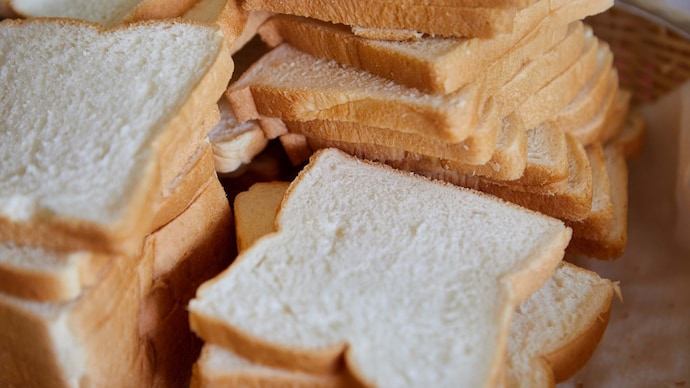
A simple food hack discussed on a podcast is now sparking conversations online, and it involves something many people eat almost every day: bread. According to experts, freezing bread before toasting it may actually make it healthier by changing the way the body digests starch.
The idea recently gained attention after preventive and integrative medicine physician Amy Shah spoke about it on a podcast hosted by Tamsen Fadal. During the discussion, Dr Shah explained that freezing bread can convert part of its starch into “resistant starch,” which may help reduce blood sugar spikes and improve gut health.
The clip quickly spread online after being shared on the social media platform X by a user named Camus. Many users were surprised to hear that a simple step, like freezing and toasting bread, could potentially change how the body processes carbohydrates.
But is there real science behind it? Experts say yes, and the process is already well known in nutrition research.
WHAT HAPPENS WHEN BREAD IS FROZEN?
Bread contains starch, a type of carbohydrate that the body quickly breaks down into sugar during digestion. This is one reason why white bread and other refined carbohydrates can cause a rapid spike in blood sugar levels.
However, when bread is frozen and then toasted, part of that starch changes structure through a process called starch retrogradation. This process creates resistant starch, a type of starch that resists digestion in the small intestine.
Instead of being quickly broken down into glucose, resistant starch behaves more like fibre. It moves to the large intestine, where it becomes food for healthy gut bacteria.
According to Dr Shah, this can help reduce the glycaemic impact of bread, meaning it may not raise blood sugar levels as sharply as freshly baked bread.
WHAT IS RESISTANT STARCH?
Resistant starch is a carbohydrate that “resists” digestion and reaches the colon mostly intact. As a result, it offers several potential health benefits.
Nutrition experts say resistant starch may:
- Help improve gut health by feeding beneficial bacteria
- Support digestion
- Increase feelings of fullness
- Reduce rapid blood sugar spikes after meals
- Improve insulin sensitivity in some people
Foods naturally high in resistant starch include green bananas, legumes, oats, and cooled cooked potatoes. However, cooling or freezing certain starchy foods can also increase resistant starch levels.
DOES THIS TRICK ONLY WORK FOR BREAD?
No. According to experts, the same process may also happen in foods like rice, pasta, and potatoes.
Dr Shah explained that cooked starches that are cooled in the refrigerator can also develop more resistant starch over time. This means leftover rice or pasta that has been chilled before reheating may affect blood sugar differently compared to freshly cooked versions.
Researchers have studied this effect for years. Some studies suggest that cooling starchy foods before eating may reduce their glycaemic response by around 20 to 50 per cent, although the exact amount depends on the food type and cooking method.
For example:
- Frozen and toasted bread may contain more resistant starch than fresh bread
- Refrigerated rice may produce a slower rise in blood sugar
- Cooled potatoes may act more like fibre in the digestive system
CAN REHEATING DESTROY RESISTANT STARCH?
Not completely. Experts say some resistant starch remains even after reheating. Toasting frozen bread or reheating refrigerated rice and pasta may still preserve part of the resistant starch formed during cooling.
This means people do not necessarily have to eat cold pasta or cold rice to get the benefits.
IS IT A HEALTHY HACK FOR EVERYONE?
While the trick may help reduce blood sugar spikes, experts say it does not automatically make processed bread or refined carbohydrates “healthy.” Nutrition still depends on the overall diet, portion sizes, and food quality.
Whole grain bread, balanced meals with protein and fibre, and regular physical activity still remain important for blood sugar control and long-term health.
People with diabetes or other medical conditions should also remember that everybody reacts differently to carbohydrates. Monitoring portion sizes and speaking with a healthcare professional is still important.
WHY THE INTERNET IS TALKING ABOUT IT
The idea has gone viral partly because it is easy, inexpensive, and practical. Unlike complicated diet trends, this method requires no special ingredients or supplements.
Many people online also found the advice relatable. During the podcast, both hosts joked about their families getting annoyed when bread is stored in the freezer because it takes longer to prepare.
But according to experts, that extra step may actually offer a small nutritional advantage.
So, the next time you buy a loaf of bread, placing it in the freezer instead of the kitchen counter might not just help it last longer — it could also help your gut and blood sugar, too.
A simple food hack discussed on a podcast is now sparking conversations online, and it involves something many people eat almost every day: bread. According to experts, freezing bread before toasting it may actually make it healthier by changing the way the body digests starch.
The idea recently gained attention after preventive and integrative medicine physician Amy Shah spoke about it on a podcast hosted by Tamsen Fadal. During the discussion, Dr Shah explained that freezing bread can convert part of its starch into “resistant starch,” which may help reduce blood sugar spikes and improve gut health.
The clip quickly spread online after being shared on the social media platform X by a user named Camus. Many users were surprised to hear that a simple step, like freezing and toasting bread, could potentially change how the body processes carbohydrates.
But is there real science behind it? Experts say yes, and the process is already well known in nutrition research.
WHAT HAPPENS WHEN BREAD IS FROZEN?
Bread contains starch, a type of carbohydrate that the body quickly breaks down into sugar during digestion. This is one reason why white bread and other refined carbohydrates can cause a rapid spike in blood sugar levels.
However, when bread is frozen and then toasted, part of that starch changes structure through a process called starch retrogradation. This process creates resistant starch, a type of starch that resists digestion in the small intestine.
Instead of being quickly broken down into glucose, resistant starch behaves more like fibre. It moves to the large intestine, where it becomes food for healthy gut bacteria.
According to Dr Shah, this can help reduce the glycaemic impact of bread, meaning it may not raise blood sugar levels as sharply as freshly baked bread.
WHAT IS RESISTANT STARCH?
Resistant starch is a carbohydrate that “resists” digestion and reaches the colon mostly intact. As a result, it offers several potential health benefits.
Nutrition experts say resistant starch may:
- Help improve gut health by feeding beneficial bacteria
- Support digestion
- Increase feelings of fullness
- Reduce rapid blood sugar spikes after meals
- Improve insulin sensitivity in some people
Foods naturally high in resistant starch include green bananas, legumes, oats, and cooled cooked potatoes. However, cooling or freezing certain starchy foods can also increase resistant starch levels.
DOES THIS TRICK ONLY WORK FOR BREAD?
No. According to experts, the same process may also happen in foods like rice, pasta, and potatoes.
Dr Shah explained that cooked starches that are cooled in the refrigerator can also develop more resistant starch over time. This means leftover rice or pasta that has been chilled before reheating may affect blood sugar differently compared to freshly cooked versions.
Researchers have studied this effect for years. Some studies suggest that cooling starchy foods before eating may reduce their glycaemic response by around 20 to 50 per cent, although the exact amount depends on the food type and cooking method.
For example:
- Frozen and toasted bread may contain more resistant starch than fresh bread
- Refrigerated rice may produce a slower rise in blood sugar
- Cooled potatoes may act more like fibre in the digestive system
CAN REHEATING DESTROY RESISTANT STARCH?
Not completely. Experts say some resistant starch remains even after reheating. Toasting frozen bread or reheating refrigerated rice and pasta may still preserve part of the resistant starch formed during cooling.
This means people do not necessarily have to eat cold pasta or cold rice to get the benefits.
IS IT A HEALTHY HACK FOR EVERYONE?
While the trick may help reduce blood sugar spikes, experts say it does not automatically make processed bread or refined carbohydrates “healthy.” Nutrition still depends on the overall diet, portion sizes, and food quality.
Whole grain bread, balanced meals with protein and fibre, and regular physical activity still remain important for blood sugar control and long-term health.
People with diabetes or other medical conditions should also remember that everybody reacts differently to carbohydrates. Monitoring portion sizes and speaking with a healthcare professional is still important.
WHY THE INTERNET IS TALKING ABOUT IT
The idea has gone viral partly because it is easy, inexpensive, and practical. Unlike complicated diet trends, this method requires no special ingredients or supplements.
Many people online also found the advice relatable. During the podcast, both hosts joked about their families getting annoyed when bread is stored in the freezer because it takes longer to prepare.
But according to experts, that extra step may actually offer a small nutritional advantage.
So, the next time you buy a loaf of bread, placing it in the freezer instead of the kitchen counter might not just help it last longer — it could also help your gut and blood sugar, too.

