I quit white sugar for 30 days. Here's what changed in my body week by week
I expected the weighing scale to change at first, but it didn't. Instead, I noticed a slimmer face, steadier energy, fewer cravings, and a completely different relationship with sugar over the next four weeks.
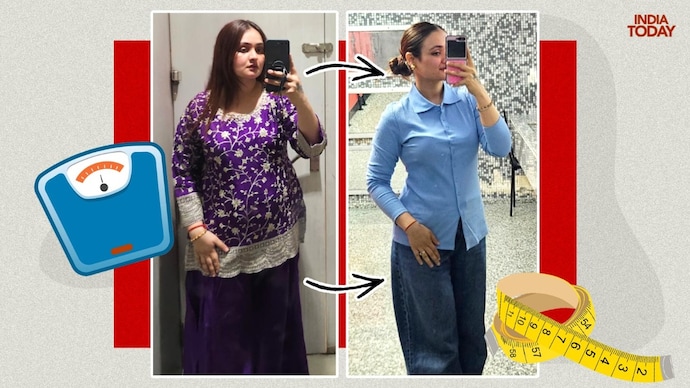
For me, quitting sugar felt harder than giving up almost any other food. Whether it was my morning tea with sugar, desert after dinner, biscuits during office breaks, or sugary drinks, white sugar had quietly become a part of my everyday routine. It satisfied my cravings instantly, but it also kept me wanting more.
So, I decided to stop eating added white sugar for 30 days.
I quickly realised that my body wouldn't transform overnight. I didn't expect dramatic weight loss in the first week, and the weighing scale didn't show a huge difference immediately. At first, that felt a little discouraging.
But then I noticed something interesting.
The first changes didn't appear on the scale; they appeared on my face. My face looked less puffy, my skin seemed fresher, and I started waking up feeling lighter. As the weeks passed, my energy became more stable, my cravings slowly faded, and my body adjusted to getting sweetness from natural foods instead of added sugar.
Here's what I experienced over those 30 days.
WEEK 1: FIGHTING THE CRAVINGS WAS THE HARDEST PART
The first few days were easily the toughest.
I found myself constantly thinking about sweets. Since sugar stimulates the brain's reward system, cutting it out suddenly made my brain crave it even more.
During the first week, I experienced:
- Strong cravings for sweets
- Irritability and mood swings
- Mild headaches
- Feeling tired and low on energy
- Constant thoughts about sugary foods
Thankfully, these feelings didn't last forever. Drinking plenty of water, eating enough protein, healthy fats, and fibre helped me manage the cravings. I kept reminding myself that this phase was temporary.
WEEK 2: I STARTED SEEING CHANGES IN MY FACE
By the second week, I stopped looking at the weighing scale so often and started noticing my reflection instead.
That's when I saw the first visible improvements.
I noticed:
- Less puffiness around my cheeks and eyes
- A slightly more defined face
- Reduced bloating
- Fresher, brighter-looking skin
Even though my weight hadn't changed dramatically, my clothes felt a little more comfortable. It felt like my body was holding on to less water, and I simply looked healthier.
WEEK 3: MY ENERGY BECAME MORE STABLE
By the third week, something unexpected happened.
I no longer experienced the sudden bursts of energy after eating something sweet, followed by an afternoon crash. Instead, my energy stayed much steadier throughout the day.
I noticed:
- Fewer afternoon energy crashes
- Better concentration
- Improved productivity
- Feeling more active throughout the day
Without constantly relying on sugar for quick energy, my body seemed to adjust and use energy more efficiently.
WEEK 4: MY TASTE BUDS STARTED RESETTING
Around the fourth week, my taste buds began to change.
Foods that once seemed bland suddenly tasted naturally sweet.
I found that:
- Fruits tasted much sweeter than before
- I craved sugary snacks far less often
- Desserts sometimes felt too sweet
- Smaller portions satisfied me
It was surprising how quickly my palate adapted. I realised I didn't need as much sugar in my tea, coffee, or homemade meals anymore.
BEYOND 30 DAYS: THE REAL BENEFITS COME WITH CONSISTENCY
Thirty days gave me a good start, but I realised the real benefits would come from making this a long-term habit.
Reducing added sugar over time can help support:
- Better weight management
- Improved blood sugar control
- A lower risk of developing type 2 diabetes
- Better heart health
- Healthier-looking skin
- Improved dental health
- Reduced inflammation
One thing I learned is that quitting sugar doesn't mean avoiding all sweetness. I still enjoyed the natural sugars found in whole fruits, vegetables, and milk because they come with fibre, vitamins, and other nutrients. My goal was simply to reduce added white sugar found in sweets, soft drinks, bakery products, packaged snacks, and sugary beverages.
For me, quitting sugar for 30 days wasn't about chasing rapid weight loss. It was about giving my body a chance to reset.
The first week tested my willpower, but sticking with it was worth it. The earliest changes appeared on my face long before they showed up on the scale. As the weeks passed, I felt less bloated, my energy became steadier, my cravings became easier to manage, and my relationship with sweet foods completely changed.
I also realised that I didn't have to be perfect. Even reducing added sugar gradually made a noticeable difference. Looking back, cutting down on white sugar has been one of the simplest lifestyle changes I've made to support my overall health.
For me, quitting sugar felt harder than giving up almost any other food. Whether it was my morning tea with sugar, desert after dinner, biscuits during office breaks, or sugary drinks, white sugar had quietly become a part of my everyday routine. It satisfied my cravings instantly, but it also kept me wanting more.
So, I decided to stop eating added white sugar for 30 days.
I quickly realised that my body wouldn't transform overnight. I didn't expect dramatic weight loss in the first week, and the weighing scale didn't show a huge difference immediately. At first, that felt a little discouraging.
But then I noticed something interesting.
The first changes didn't appear on the scale; they appeared on my face. My face looked less puffy, my skin seemed fresher, and I started waking up feeling lighter. As the weeks passed, my energy became more stable, my cravings slowly faded, and my body adjusted to getting sweetness from natural foods instead of added sugar.
Here's what I experienced over those 30 days.
WEEK 1: FIGHTING THE CRAVINGS WAS THE HARDEST PART
The first few days were easily the toughest.
I found myself constantly thinking about sweets. Since sugar stimulates the brain's reward system, cutting it out suddenly made my brain crave it even more.
During the first week, I experienced:
- Strong cravings for sweets
- Irritability and mood swings
- Mild headaches
- Feeling tired and low on energy
- Constant thoughts about sugary foods
Thankfully, these feelings didn't last forever. Drinking plenty of water, eating enough protein, healthy fats, and fibre helped me manage the cravings. I kept reminding myself that this phase was temporary.
WEEK 2: I STARTED SEEING CHANGES IN MY FACE
By the second week, I stopped looking at the weighing scale so often and started noticing my reflection instead.
That's when I saw the first visible improvements.
I noticed:
- Less puffiness around my cheeks and eyes
- A slightly more defined face
- Reduced bloating
- Fresher, brighter-looking skin
Even though my weight hadn't changed dramatically, my clothes felt a little more comfortable. It felt like my body was holding on to less water, and I simply looked healthier.
WEEK 3: MY ENERGY BECAME MORE STABLE
By the third week, something unexpected happened.
I no longer experienced the sudden bursts of energy after eating something sweet, followed by an afternoon crash. Instead, my energy stayed much steadier throughout the day.
I noticed:
- Fewer afternoon energy crashes
- Better concentration
- Improved productivity
- Feeling more active throughout the day
Without constantly relying on sugar for quick energy, my body seemed to adjust and use energy more efficiently.
WEEK 4: MY TASTE BUDS STARTED RESETTING
Around the fourth week, my taste buds began to change.
Foods that once seemed bland suddenly tasted naturally sweet.
I found that:
- Fruits tasted much sweeter than before
- I craved sugary snacks far less often
- Desserts sometimes felt too sweet
- Smaller portions satisfied me
It was surprising how quickly my palate adapted. I realised I didn't need as much sugar in my tea, coffee, or homemade meals anymore.
BEYOND 30 DAYS: THE REAL BENEFITS COME WITH CONSISTENCY
Thirty days gave me a good start, but I realised the real benefits would come from making this a long-term habit.
Reducing added sugar over time can help support:
- Better weight management
- Improved blood sugar control
- A lower risk of developing type 2 diabetes
- Better heart health
- Healthier-looking skin
- Improved dental health
- Reduced inflammation
One thing I learned is that quitting sugar doesn't mean avoiding all sweetness. I still enjoyed the natural sugars found in whole fruits, vegetables, and milk because they come with fibre, vitamins, and other nutrients. My goal was simply to reduce added white sugar found in sweets, soft drinks, bakery products, packaged snacks, and sugary beverages.
For me, quitting sugar for 30 days wasn't about chasing rapid weight loss. It was about giving my body a chance to reset.
The first week tested my willpower, but sticking with it was worth it. The earliest changes appeared on my face long before they showed up on the scale. As the weeks passed, I felt less bloated, my energy became steadier, my cravings became easier to manage, and my relationship with sweet foods completely changed.
I also realised that I didn't have to be perfect. Even reducing added sugar gradually made a noticeable difference. Looking back, cutting down on white sugar has been one of the simplest lifestyle changes I've made to support my overall health.

