The cost of sleep: Why Indians are paying more than ever for a good night's rest
India's worsening sleep crisis is driving more people towards clinics, therapies, devices and supplements. But despite the growing sleep economy, the most effective solutions remain the simplest.
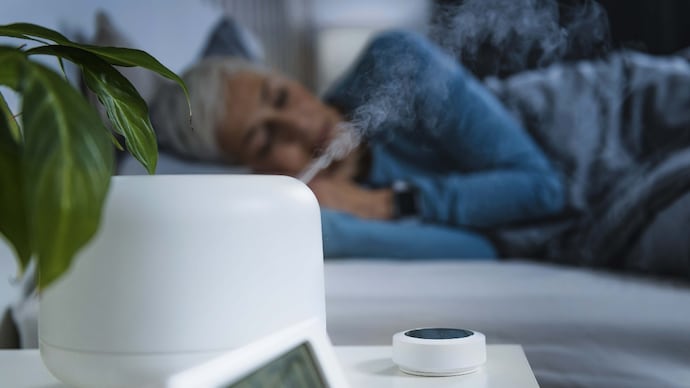
There was a time when sleep was free.
As children, we fought bedtime. In our twenties, we proudly traded sleep for deadlines, late-night parties or endless scrolling. But somewhere in our thirties and forties, something changes. A full night's sleep transforms into one of life's greatest luxuries.
For many, it slips away gradually. Pregnancy brings months of insomnia. New parents spend nights feeding crying babies. Middle-aged adults develop sleep apnoea that leaves them exhausted despite spending eight hours in bed.
Stress, anxiety, obesity, chronic illnesses and even rising temperatures all begin to chip away at restful sleep.
Today, getting quality sleep is no longer just about switching off the lights. It has become something people are willing to spend thousands, and sometimes lakhs, of rupees to achieve.
India's growing sleep crisis is fuelling an industry that promises better rest through specialised clinics, medical devices, supplements, therapies and gadgets.
But while investing in sleep is worthwhile, not every expensive solution delivers what it promises.
A NATION RUNNING ON TOO LITTLE SLEEP
India is among the most sleep-deprived countries in the world.
According to a survey, nearly 46% of Indians reported getting less than six hours of uninterrupted sleep over a 12-month period.
One of the most common reasons was repeatedly waking up during the night to use the bathroom. Others blamed stress, irregular work schedules, environmental noise and disrupted routines.
Climate change is making matters worse.
A recent international study found that Indians are among the populations experiencing the greatest loss of sleep due to rising night-time temperatures. As nights become warmer, many people struggle to fall asleep or remain asleep, adding yet another layer to an already growing public health problem.
Poor sleep is no longer simply an inconvenience. Research has consistently linked chronic sleep deprivation to obesity, diabetes, hypertension, heart disease, depression, impaired immunity and declining cognitive function.
THE BUSINESS OF BETTER SLEEP
India's response to the sleep crisis is becoming increasingly visible.
Hospitals across major cities now have dedicated sleep medicine departments. Sleep studies that were once available only at a handful of centres are becoming more common.
Doctors are prescribing cognitive behavioural therapy for insomnia (CBT-I), regarded as the gold standard treatment for chronic insomnia, alongside treatments such as CPAP therapy for sleep apnoea, melatonin and newer medicines known as orexin receptor blockers.
The numbers actually show this shift. India's sleep-aid market is now valued at around US$338 million and is projected to continue expanding over the coming years, driven by growing awareness of sleep disorders, rising obesity and an ageing population.
Consumers are also spending directly on products that promise better sleep.
Continuous Positive Airway Pressure (CPAP) machines, the standard treatment for obstructive sleep apnoea, typically cost between Rs 35,000 and over Rs 1 lakh, depending on the model and features.
Premium masks and annual replacement accessories add to the bill.
Supplements have become another booming category. Magnesium glycinate, marketed widely on social media as a sleep aid despite limited evidence for people without a deficiency, often costs Rs 800 to Rs 2,500 for a month's supply.
Melatonin gummies, herbal teas, weighted blankets, sleep trackers and smart mattresses have also found a growing customer base, turning restful sleep into a thriving consumer market.
WHEN SLEEP BECOMES HEALTHCARE
This growing demand of course reflects a larger change in how people view sleep.
Dr Harish Verma, Director of Respiratory and Sleep Medicine at ShardaCare Health City, Greater Noida, says, "Sleep has evolved from being viewed as a lifestyle issue to being recognized as a vital pillar of health.”
Rising stress, irregular work schedules, obesity, excessive screen time and better awareness have encouraged more people to seek medical help. At the same time, the availability of sleep specialists and diagnostic facilities has improved significantly across India.
"People increasingly understand that good sleep directly affects productivity, mental health, physical fitness, and overall quality of life. As awareness grows, individuals are more willing to invest in diagnosis and evidence-based treatment. However, spending should focus on identifying and treating the underlying cause rather than purchasing expensive products with limited scientific benefit," Dr Verma said.
He warned that chronic sleep deprivation disrupts brain function, weakens immunity, increases inflammation and raises the risk of obesity, diabetes, high blood pressure, heart disease, depression and memory problems.
While many effects can improve once healthy sleep returns, prolonged untreated sleep loss may contribute to lasting cognitive decline.
Dr Jay Bhanushali, pulmonologist at Zynova Shalby Hospital in Mumbai, agrees that attitudes towards sleep have changed dramatically.
"People are now recognising that good sleep is important for overall health and mental well-being, making it a worthwhile investment. Rising stress and sleep disorders have also increased demand for evidence-based sleep treatments and solutions. Hence, now, people are trying to do whatever it takes to get a sound sleep at night," he said.
HOW FAR ARE PEOPLE GOING FOR BETTER SLEEP?
The market now offers everything from sleep coaches and breathing devices to luxury mattresses, smart pillows and wearable trackers.
But doctors say not all of them deserve the hype.
"Sleep clinics, cognitive behavioural therapy for insomnia (CBT-I), and CPAP therapy for sleep apnoea have strong scientific evidence. Wearables can be useful for tracking trends, but luxury sleep products, smart mattresses, and many sleep gadgets often have limited evidence and should not replace healthy sleep habits or the expert's advice," Dr Bhanushali said.
Dr Verma added that many patients first spend heavily on gadgets, supplements or expensive mattresses before ever consulting a doctor.
"The best outcomes come from an accurate diagnosis followed by targeted treatment—such as CPAP therapy for obstructive sleep apnoea, cognitive behavioural therapy for chronic insomnia, weight reduction where appropriate, and good sleep hygiene practices," he said.
THE CHEAPEST SLEEP IS STILL FREE
Doctors say that despite the growing sleep economy, the most effective solutions often remain the simplest.
Exercise regularly. Eat balanced meals. Avoid heavy dinners late at night. Put away electronic screens a few hours before bedtime. Limit caffeine in the evening. Maintain a consistent sleep schedule. Keep the bedroom quiet, cool and dark. For some, a warm shower or calming music before bed can also help.
Supplements such as melatonin may benefit selected patients, but experts caution against self-medicating without professional advice.
The irony is hard to miss. After spending decades sacrificing sleep in pursuit of careers, success and productivity, many people eventually find themselves spending thousands of rupees trying to win it back.
Perhaps that is the modern paradox of sleep. The one thing nature gave us every night, free of charge, has become one of the most expensive things to lose.
There was a time when sleep was free.
As children, we fought bedtime. In our twenties, we proudly traded sleep for deadlines, late-night parties or endless scrolling. But somewhere in our thirties and forties, something changes. A full night's sleep transforms into one of life's greatest luxuries.
For many, it slips away gradually. Pregnancy brings months of insomnia. New parents spend nights feeding crying babies. Middle-aged adults develop sleep apnoea that leaves them exhausted despite spending eight hours in bed.
Stress, anxiety, obesity, chronic illnesses and even rising temperatures all begin to chip away at restful sleep.
Today, getting quality sleep is no longer just about switching off the lights. It has become something people are willing to spend thousands, and sometimes lakhs, of rupees to achieve.
India's growing sleep crisis is fuelling an industry that promises better rest through specialised clinics, medical devices, supplements, therapies and gadgets.
But while investing in sleep is worthwhile, not every expensive solution delivers what it promises.
A NATION RUNNING ON TOO LITTLE SLEEP
India is among the most sleep-deprived countries in the world.
According to a survey, nearly 46% of Indians reported getting less than six hours of uninterrupted sleep over a 12-month period.
One of the most common reasons was repeatedly waking up during the night to use the bathroom. Others blamed stress, irregular work schedules, environmental noise and disrupted routines.
Climate change is making matters worse.
A recent international study found that Indians are among the populations experiencing the greatest loss of sleep due to rising night-time temperatures. As nights become warmer, many people struggle to fall asleep or remain asleep, adding yet another layer to an already growing public health problem.
Poor sleep is no longer simply an inconvenience. Research has consistently linked chronic sleep deprivation to obesity, diabetes, hypertension, heart disease, depression, impaired immunity and declining cognitive function.
THE BUSINESS OF BETTER SLEEP
India's response to the sleep crisis is becoming increasingly visible.
Hospitals across major cities now have dedicated sleep medicine departments. Sleep studies that were once available only at a handful of centres are becoming more common.
Doctors are prescribing cognitive behavioural therapy for insomnia (CBT-I), regarded as the gold standard treatment for chronic insomnia, alongside treatments such as CPAP therapy for sleep apnoea, melatonin and newer medicines known as orexin receptor blockers.
The numbers actually show this shift. India's sleep-aid market is now valued at around US$338 million and is projected to continue expanding over the coming years, driven by growing awareness of sleep disorders, rising obesity and an ageing population.
Consumers are also spending directly on products that promise better sleep.
Continuous Positive Airway Pressure (CPAP) machines, the standard treatment for obstructive sleep apnoea, typically cost between Rs 35,000 and over Rs 1 lakh, depending on the model and features.
Premium masks and annual replacement accessories add to the bill.
Supplements have become another booming category. Magnesium glycinate, marketed widely on social media as a sleep aid despite limited evidence for people without a deficiency, often costs Rs 800 to Rs 2,500 for a month's supply.
Melatonin gummies, herbal teas, weighted blankets, sleep trackers and smart mattresses have also found a growing customer base, turning restful sleep into a thriving consumer market.
WHEN SLEEP BECOMES HEALTHCARE
This growing demand of course reflects a larger change in how people view sleep.
Dr Harish Verma, Director of Respiratory and Sleep Medicine at ShardaCare Health City, Greater Noida, says, "Sleep has evolved from being viewed as a lifestyle issue to being recognized as a vital pillar of health.”
Rising stress, irregular work schedules, obesity, excessive screen time and better awareness have encouraged more people to seek medical help. At the same time, the availability of sleep specialists and diagnostic facilities has improved significantly across India.
"People increasingly understand that good sleep directly affects productivity, mental health, physical fitness, and overall quality of life. As awareness grows, individuals are more willing to invest in diagnosis and evidence-based treatment. However, spending should focus on identifying and treating the underlying cause rather than purchasing expensive products with limited scientific benefit," Dr Verma said.
He warned that chronic sleep deprivation disrupts brain function, weakens immunity, increases inflammation and raises the risk of obesity, diabetes, high blood pressure, heart disease, depression and memory problems.
While many effects can improve once healthy sleep returns, prolonged untreated sleep loss may contribute to lasting cognitive decline.
Dr Jay Bhanushali, pulmonologist at Zynova Shalby Hospital in Mumbai, agrees that attitudes towards sleep have changed dramatically.
"People are now recognising that good sleep is important for overall health and mental well-being, making it a worthwhile investment. Rising stress and sleep disorders have also increased demand for evidence-based sleep treatments and solutions. Hence, now, people are trying to do whatever it takes to get a sound sleep at night," he said.
HOW FAR ARE PEOPLE GOING FOR BETTER SLEEP?
The market now offers everything from sleep coaches and breathing devices to luxury mattresses, smart pillows and wearable trackers.
But doctors say not all of them deserve the hype.
"Sleep clinics, cognitive behavioural therapy for insomnia (CBT-I), and CPAP therapy for sleep apnoea have strong scientific evidence. Wearables can be useful for tracking trends, but luxury sleep products, smart mattresses, and many sleep gadgets often have limited evidence and should not replace healthy sleep habits or the expert's advice," Dr Bhanushali said.
Dr Verma added that many patients first spend heavily on gadgets, supplements or expensive mattresses before ever consulting a doctor.
"The best outcomes come from an accurate diagnosis followed by targeted treatment—such as CPAP therapy for obstructive sleep apnoea, cognitive behavioural therapy for chronic insomnia, weight reduction where appropriate, and good sleep hygiene practices," he said.
THE CHEAPEST SLEEP IS STILL FREE
Doctors say that despite the growing sleep economy, the most effective solutions often remain the simplest.
Exercise regularly. Eat balanced meals. Avoid heavy dinners late at night. Put away electronic screens a few hours before bedtime. Limit caffeine in the evening. Maintain a consistent sleep schedule. Keep the bedroom quiet, cool and dark. For some, a warm shower or calming music before bed can also help.
Supplements such as melatonin may benefit selected patients, but experts caution against self-medicating without professional advice.
The irony is hard to miss. After spending decades sacrificing sleep in pursuit of careers, success and productivity, many people eventually find themselves spending thousands of rupees trying to win it back.
Perhaps that is the modern paradox of sleep. The one thing nature gave us every night, free of charge, has become one of the most expensive things to lose.
There was a time when sleep was free.
As children, we fought bedtime. In our twenties, we proudly traded sleep for deadlines, late-night parties or endless scrolling. But somewhere in our thirties and forties, something changes. A full night's sleep transforms into one of life's greatest luxuries.
For many, it slips away gradually. Pregnancy brings months of insomnia. New parents spend nights feeding crying babies. Middle-aged adults develop sleep apnoea that leaves them exhausted despite spending eight hours in bed.
Stress, anxiety, obesity, chronic illnesses and even rising temperatures all begin to chip away at restful sleep.
Today, getting quality sleep is no longer just about switching off the lights. It has become something people are willing to spend thousands, and sometimes lakhs, of rupees to achieve.
India's growing sleep crisis is fuelling an industry that promises better rest through specialised clinics, medical devices, supplements, therapies and gadgets.
But while investing in sleep is worthwhile, not every expensive solution delivers what it promises.
A NATION RUNNING ON TOO LITTLE SLEEP
India is among the most sleep-deprived countries in the world.
According to a survey, nearly 46% of Indians reported getting less than six hours of uninterrupted sleep over a 12-month period.
One of the most common reasons was repeatedly waking up during the night to use the bathroom. Others blamed stress, irregular work schedules, environmental noise and disrupted routines.
Climate change is making matters worse.
A recent international study found that Indians are among the populations experiencing the greatest loss of sleep due to rising night-time temperatures. As nights become warmer, many people struggle to fall asleep or remain asleep, adding yet another layer to an already growing public health problem.
Poor sleep is no longer simply an inconvenience. Research has consistently linked chronic sleep deprivation to obesity, diabetes, hypertension, heart disease, depression, impaired immunity and declining cognitive function.
THE BUSINESS OF BETTER SLEEP
India's response to the sleep crisis is becoming increasingly visible.
Hospitals across major cities now have dedicated sleep medicine departments. Sleep studies that were once available only at a handful of centres are becoming more common.
Doctors are prescribing cognitive behavioural therapy for insomnia (CBT-I), regarded as the gold standard treatment for chronic insomnia, alongside treatments such as CPAP therapy for sleep apnoea, melatonin and newer medicines known as orexin receptor blockers.
The numbers actually show this shift. India's sleep-aid market is now valued at around US$338 million and is projected to continue expanding over the coming years, driven by growing awareness of sleep disorders, rising obesity and an ageing population.
Consumers are also spending directly on products that promise better sleep.
Continuous Positive Airway Pressure (CPAP) machines, the standard treatment for obstructive sleep apnoea, typically cost between Rs 35,000 and over Rs 1 lakh, depending on the model and features.
Premium masks and annual replacement accessories add to the bill.
Supplements have become another booming category. Magnesium glycinate, marketed widely on social media as a sleep aid despite limited evidence for people without a deficiency, often costs Rs 800 to Rs 2,500 for a month's supply.
Melatonin gummies, herbal teas, weighted blankets, sleep trackers and smart mattresses have also found a growing customer base, turning restful sleep into a thriving consumer market.
WHEN SLEEP BECOMES HEALTHCARE
This growing demand of course reflects a larger change in how people view sleep.
Dr Harish Verma, Director of Respiratory and Sleep Medicine at ShardaCare Health City, Greater Noida, says, "Sleep has evolved from being viewed as a lifestyle issue to being recognized as a vital pillar of health.”
Rising stress, irregular work schedules, obesity, excessive screen time and better awareness have encouraged more people to seek medical help. At the same time, the availability of sleep specialists and diagnostic facilities has improved significantly across India.
"People increasingly understand that good sleep directly affects productivity, mental health, physical fitness, and overall quality of life. As awareness grows, individuals are more willing to invest in diagnosis and evidence-based treatment. However, spending should focus on identifying and treating the underlying cause rather than purchasing expensive products with limited scientific benefit," Dr Verma said.
He warned that chronic sleep deprivation disrupts brain function, weakens immunity, increases inflammation and raises the risk of obesity, diabetes, high blood pressure, heart disease, depression and memory problems.
While many effects can improve once healthy sleep returns, prolonged untreated sleep loss may contribute to lasting cognitive decline.
Dr Jay Bhanushali, pulmonologist at Zynova Shalby Hospital in Mumbai, agrees that attitudes towards sleep have changed dramatically.
"People are now recognising that good sleep is important for overall health and mental well-being, making it a worthwhile investment. Rising stress and sleep disorders have also increased demand for evidence-based sleep treatments and solutions. Hence, now, people are trying to do whatever it takes to get a sound sleep at night," he said.
HOW FAR ARE PEOPLE GOING FOR BETTER SLEEP?
The market now offers everything from sleep coaches and breathing devices to luxury mattresses, smart pillows and wearable trackers.
But doctors say not all of them deserve the hype.
"Sleep clinics, cognitive behavioural therapy for insomnia (CBT-I), and CPAP therapy for sleep apnoea have strong scientific evidence. Wearables can be useful for tracking trends, but luxury sleep products, smart mattresses, and many sleep gadgets often have limited evidence and should not replace healthy sleep habits or the expert's advice," Dr Bhanushali said.
Dr Verma added that many patients first spend heavily on gadgets, supplements or expensive mattresses before ever consulting a doctor.
"The best outcomes come from an accurate diagnosis followed by targeted treatment—such as CPAP therapy for obstructive sleep apnoea, cognitive behavioural therapy for chronic insomnia, weight reduction where appropriate, and good sleep hygiene practices," he said.
THE CHEAPEST SLEEP IS STILL FREE
Doctors say that despite the growing sleep economy, the most effective solutions often remain the simplest.
Exercise regularly. Eat balanced meals. Avoid heavy dinners late at night. Put away electronic screens a few hours before bedtime. Limit caffeine in the evening. Maintain a consistent sleep schedule. Keep the bedroom quiet, cool and dark. For some, a warm shower or calming music before bed can also help.
Supplements such as melatonin may benefit selected patients, but experts caution against self-medicating without professional advice.
The irony is hard to miss. After spending decades sacrificing sleep in pursuit of careers, success and productivity, many people eventually find themselves spending thousands of rupees trying to win it back.
Perhaps that is the modern paradox of sleep. The one thing nature gave us every night, free of charge, has become one of the most expensive things to lose.

