I drink matcha every day. It makes me wonder: How healthy is it?
I drink matcha every day, but I finally stopped to ask: is it actually good for me? After speaking to a nutritionist, I discovered the real health benefits, potential risks, and why enjoying matcha in moderation is more important than believing every "superfood" claim.
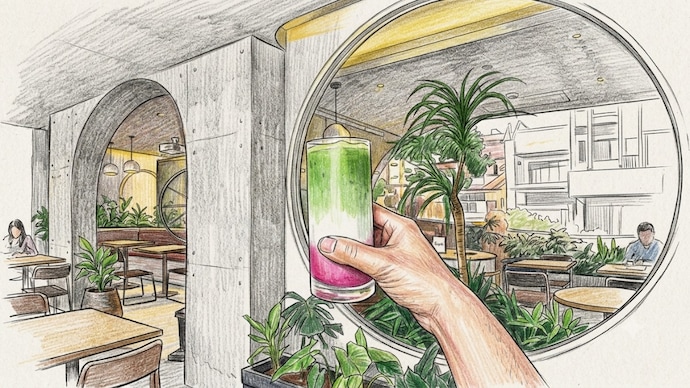
I don't remember exactly when I became obsessed with matcha. Maybe it was the first time I tried its earthy, slightly sweet flavour, or maybe it was the ritual that came with it. Either way, somewhere along the line, it quietly replaced coffee in my life.
Matcha. We've all heard the word. These days, it seems to have taken over every cafe's "popular drinks" menu, and I'm not complaining.
I love matcha. Almost every version of it.
And I'm clearly not alone. Thousands of people swear by it, but my obsession goes a step further. While many people can't start their day without a cup of coffee, I reach for an iced matcha instead. Sometimes first thing in the morning, sometimes after dinner. If I'm out with friends or family, chances are I'll order the matcha without even looking at the rest of the menu.
In fact, I love discovering new cafes just to try their matcha. It's become such a ritual that I've unintentionally created a weekly matcha schedule.
Mondays are for a classic iced matcha. Tuesdays belong to strawberry matcha. Wednesdays are all about banana matcha. Thursdays call for a comforting hot matcha tea. Fridays and Saturdays—my days off—are reserved for my all-time favourite: an iced vanilla matcha. Sundays? Anything goes. The only rule is that I always have it without sugar.
But today, halfway through my drink, a thought popped into my head.
"I drink matcha every single day... but how healthy is it, really?"
With a hectic work schedule, is drinking matcha every day actually good for my health, or am I simply following a delicious habit without knowing what it does to my body?
Curious to find out, I decided to ask a nutritionist.
IS MATCHA HEALTHIER THAN COFFEE OR REGULAR TEA?
For years, matcha has been marketed as a healthier alternative to coffee, but does it actually deserve that reputation?
According to Dt. Divya Jain, Senior Dietitian at CK Birla Hospitals, Jaipur, the answer depends on how you consume it.
"Matcha is loaded with antioxidants and gives a milder caffeine lift than coffee because it contains L-theanine, which helps one stay alert in a relaxed manner," she explains.
Unlike coffee, which often provides a quick burst of energy followed by a crash, matcha's combination of caffeine and L-theanine may offer a steadier feeling of alertness. Jain adds that when consumed without added sugar or sweetened syrups, it can be a healthier beverage choice for many people.
As for how much is too much, moderation remains key.
"Generally, 1–2 cups a day for healthy adults should be okay as long as the recommended total caffeine intake is not exceeded," she says.
That means my daily matcha habit probably isn't a problem—as long as I'm also mindful of caffeine from other sources such as coffee, tea, energy drinks, or soft drinks.
IS MATCHA REALLY A SUPERFOOD?
Social media often describe matcha as a miracle drink that can boost metabolism, detox the body, improve focus, and even slow ageing. But is it really a "superfood"?
Jain believes the drink certainly has impressive nutritional qualities, but warns against treating it as a magic solution.
She explains that matcha contains powerful antioxidants called catechins, which help combat free radicals and may support cardiovascular health. It may also improve concentration, thanks to its combination of caffeine and L-theanine, while offering a modest boost to calorie burning.
However, she cautions that "it should not be considered a cure-all."
Like any caffeinated beverage, excessive consumption comes with downsides. Drinking too much matcha can lead to sleeplessness, nervousness, stomach discomfort, and excessive caffeine intake, especially if you're also consuming other caffeinated beverages throughout the day.
In other words, matcha may be healthy, but more isn't always better.
WHO SHOULD BE CAUTIOUS ABOUT DRINKING MATCHA EVERY DAY?
While healthy adults can generally enjoy matcha in moderation, it isn't suitable for everyone.
According to Jain, pregnant or breastfeeding women, people with anxiety, sleep disorders, irregular heartbeats, or those who are particularly sensitive to caffeine should be more cautious about making matcha an everyday habit.
She also points out that people taking certain medications need to be careful.
"Anyone taking blood-thinning medication or iron supplements should seek medical advice before drinking matcha regularly because it may hinder iron absorption and can also interact with certain medications," she says.
For these groups, speaking with a healthcare professional before making matcha a daily habit is the safest approach.
SO, WILL I STOP DRINKING MATCHA?
Honestly, probably not.
But this little investigation has changed the way I look at my favourite drink.
Instead of assuming it's healthy simply because it's green, or because social media calls it a superfood, I now know its benefits come with a few caveats. Drinking it without added sugar, limiting it to one or two cups a day, and being mindful of my overall caffeine intake can help me enjoy it without overdoing it.
So, for now, my weekly matcha schedule is staying exactly where it is.
The only difference? I'll be sipping it with a little more awareness, and perhaps a little less blind faith.
I don't remember exactly when I became obsessed with matcha. Maybe it was the first time I tried its earthy, slightly sweet flavour, or maybe it was the ritual that came with it. Either way, somewhere along the line, it quietly replaced coffee in my life.
Matcha. We've all heard the word. These days, it seems to have taken over every cafe's "popular drinks" menu, and I'm not complaining.
I love matcha. Almost every version of it.
And I'm clearly not alone. Thousands of people swear by it, but my obsession goes a step further. While many people can't start their day without a cup of coffee, I reach for an iced matcha instead. Sometimes first thing in the morning, sometimes after dinner. If I'm out with friends or family, chances are I'll order the matcha without even looking at the rest of the menu.
In fact, I love discovering new cafes just to try their matcha. It's become such a ritual that I've unintentionally created a weekly matcha schedule.
Mondays are for a classic iced matcha. Tuesdays belong to strawberry matcha. Wednesdays are all about banana matcha. Thursdays call for a comforting hot matcha tea. Fridays and Saturdays—my days off—are reserved for my all-time favourite: an iced vanilla matcha. Sundays? Anything goes. The only rule is that I always have it without sugar.
But today, halfway through my drink, a thought popped into my head.
"I drink matcha every single day... but how healthy is it, really?"
With a hectic work schedule, is drinking matcha every day actually good for my health, or am I simply following a delicious habit without knowing what it does to my body?
Curious to find out, I decided to ask a nutritionist.
IS MATCHA HEALTHIER THAN COFFEE OR REGULAR TEA?
For years, matcha has been marketed as a healthier alternative to coffee, but does it actually deserve that reputation?
According to Dt. Divya Jain, Senior Dietitian at CK Birla Hospitals, Jaipur, the answer depends on how you consume it.
"Matcha is loaded with antioxidants and gives a milder caffeine lift than coffee because it contains L-theanine, which helps one stay alert in a relaxed manner," she explains.
Unlike coffee, which often provides a quick burst of energy followed by a crash, matcha's combination of caffeine and L-theanine may offer a steadier feeling of alertness. Jain adds that when consumed without added sugar or sweetened syrups, it can be a healthier beverage choice for many people.
As for how much is too much, moderation remains key.
"Generally, 1–2 cups a day for healthy adults should be okay as long as the recommended total caffeine intake is not exceeded," she says.
That means my daily matcha habit probably isn't a problem—as long as I'm also mindful of caffeine from other sources such as coffee, tea, energy drinks, or soft drinks.
IS MATCHA REALLY A SUPERFOOD?
Social media often describe matcha as a miracle drink that can boost metabolism, detox the body, improve focus, and even slow ageing. But is it really a "superfood"?
Jain believes the drink certainly has impressive nutritional qualities, but warns against treating it as a magic solution.
She explains that matcha contains powerful antioxidants called catechins, which help combat free radicals and may support cardiovascular health. It may also improve concentration, thanks to its combination of caffeine and L-theanine, while offering a modest boost to calorie burning.
However, she cautions that "it should not be considered a cure-all."
Like any caffeinated beverage, excessive consumption comes with downsides. Drinking too much matcha can lead to sleeplessness, nervousness, stomach discomfort, and excessive caffeine intake, especially if you're also consuming other caffeinated beverages throughout the day.
In other words, matcha may be healthy, but more isn't always better.
WHO SHOULD BE CAUTIOUS ABOUT DRINKING MATCHA EVERY DAY?
While healthy adults can generally enjoy matcha in moderation, it isn't suitable for everyone.
According to Jain, pregnant or breastfeeding women, people with anxiety, sleep disorders, irregular heartbeats, or those who are particularly sensitive to caffeine should be more cautious about making matcha an everyday habit.
She also points out that people taking certain medications need to be careful.
"Anyone taking blood-thinning medication or iron supplements should seek medical advice before drinking matcha regularly because it may hinder iron absorption and can also interact with certain medications," she says.
For these groups, speaking with a healthcare professional before making matcha a daily habit is the safest approach.
SO, WILL I STOP DRINKING MATCHA?
Honestly, probably not.
But this little investigation has changed the way I look at my favourite drink.
Instead of assuming it's healthy simply because it's green, or because social media calls it a superfood, I now know its benefits come with a few caveats. Drinking it without added sugar, limiting it to one or two cups a day, and being mindful of my overall caffeine intake can help me enjoy it without overdoing it.
So, for now, my weekly matcha schedule is staying exactly where it is.
The only difference? I'll be sipping it with a little more awareness, and perhaps a little less blind faith.

