India set for rollout of single blood test to screen for 10 common cancers
Zydus Lifesciences and Apollo Hospitals are rolling out Shield MCD in India for eligible adults aged 45 and above. The launch expands access to less invasive multi-cancer screening even as doctors stress it cannot replace existing tests or confirm diagnosis.
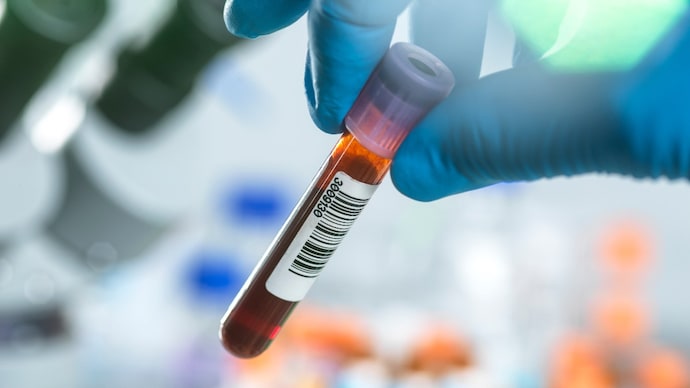
The test, called Shield Multi-Cancer Detection (MCD), has been developed by US-based Guardant Health and will be offered in India under an exclusive agreement between Zydus and the precision oncology company.
Through a separate memorandum of understanding with Apollo Hospitals, the test will be made available to eligible individuals across the country.
Sources said that Delhi-based Dr Dang’s Lab is also looking to start offering the test across the country.
The cost of the test in India is yet to be disclosed.
The development comes at a time when fresh global evidence on multi-cancer early detection (MCED) blood tests is expected to be presented at the American Society of Clinical Oncology (ASCO) Breakthrough meeting later this month.
The findings, based on one of the largest real-world studies conducted in six Asian countries, suggest such blood tests could become an important addition to cancer screening, particularly in low and middle-income countries where organised screening programmes remain limited.
However, researchers also stress that these tests are meant to complement, and not replace, existing screening methods or confirm a diagnosis.
The Shield MCD test is meant for people aged 45 years and above who are at average risk of developing cancer. It looks for cancer-related changes in DNA circulating in the bloodstream, known as methylation patterns, that may indicate the presence of cancer.
The test screens for bladder, breast, colorectal, liver, lung, oesophageal, gastric, ovarian, pancreatic and prostate cancers- several of which are among the deadliest cancers in India because they are often detected late.
Unlike conventional screening, which usually targets one cancer at a time through procedures such as mammography or colonoscopy, this test attempts to identify signals from multiple cancers in a single blood sample. But doctors caution that a positive result does not mean a person definitely has cancer. Instead, it signals the need for further investigations such as scans, endoscopy or a biopsy to confirm whether cancer is present.
Similarly, a negative result cannot completely rule out cancer, which is why the test is not a substitute for routine screening or medical evaluation when symptoms develop.
"Cancer is likely to be an increasing burden for India in the coming decades. A single blood test for early detection of cancer is the holy grail of diagnostics. However, while theoretically attractive, this could be far from practical reality because there are many technological barriers yet to be overcome," Dr Kamal Saini, UK-based cancer researcher told India Today.
"For a country as large and genetically diverse as India, development of local tests is vital. Investing in research and developing such a test for our population is a worthwhile goal."
PROMISE, WITH LIMITS
The technology behind multi-cancer detection tests is based on analysing tiny fragments of DNA released into the bloodstream by tumour cells. Advanced algorithms then look for patterns that may indicate not only the presence of cancer but, in many cases, also the organ where it may have originated.
This can help doctors decide what follow-up investigations are required.
Experts say the biggest promise of these tests lies in cancers that currently have no standard population-wide screening programme, including pancreatic, ovarian, stomach and liver cancers.
Many of these cancers are difficult to detect early and are frequently diagnosed only after symptoms appear, when treatment becomes more challenging.
However, specialists emphasise that MCED tests are complimentary screening tools rather than diagnostic tests. They cannot tell with certainty whether a person has cancer, determine the stage of disease or replace tissue biopsy, which remains the gold standard for diagnosis.
Like all screening tests, they can produce false-positive results that lead to unnecessary investigations or false-negative results that may miss some cancers.
Dr Prathap C. Reddy, Chairman of Apollo Hospitals Group, said expanding access to reliable screening is essential to reducing the burden of cancer.
"The future of medicine lies not only in treating disease but in preventing it and detecting it at its earliest, most treatable stages. Our collaboration with Zydus Lifesciences marks an important milestone in advancing accessible, patient-friendly cancer screening solutions for the people of India," he said.
GROWING EVIDENCE
The India launch coincides with growing scientific interest in multi-cancer blood tests. Research to be presented at the ASCO Breakthrough meeting examined the performance of another MCED blood test, SPOT-MAS, in more than 84,000 people across six Asian countries in routine clinical practice.
Among participants who completed follow-up, the test correctly detected around 79 per cent of confirmed cancers while accurately identifying people without cancer in nearly all cases, achieving a specificity (ability to detect true negatives) of 99.9 per cent.
It also correctly predicted the likely organ where cancer originated in nearly 80 per cent of confirmed cases, helping guide further diagnostic testing. Importantly, the study identified several cancers, including stomach, liver and nasopharyngeal cancers, for which there are currently no standard screening programmes.
Researchers said the findings support the use of MCED tests as an additional screening option, especially in countries where organised screening remains limited.
At the same time, they acknowledged that more evidence is needed to answer crucial questions, including who should undergo such testing, how often it should be done and, most importantly, whether it ultimately reduces cancer deaths. Long-term follow-up studies and cost-effectiveness analyses are currently underway.
The need for better screening options is particularly acute in India.
According to official estimates, more than 1.41 million people were diagnosed with cancer in 2022 and over 900,000 died from the disease. Cancer accounts for nearly nine per cent of all deaths related to non-communicable diseases in the country.
Breast cancer remains the leading cause of cancer deaths among women, while oral cancer is the most common cancer among men. Yet screening coverage remains uneven, with southern and western states reporting significantly higher uptake than many northern, central and northeastern regions.
The test, called Shield Multi-Cancer Detection (MCD), has been developed by US-based Guardant Health and will be offered in India under an exclusive agreement between Zydus and the precision oncology company.
Through a separate memorandum of understanding with Apollo Hospitals, the test will be made available to eligible individuals across the country.
Sources said that Delhi-based Dr Dang’s Lab is also looking to start offering the test across the country.
The cost of the test in India is yet to be disclosed.
The development comes at a time when fresh global evidence on multi-cancer early detection (MCED) blood tests is expected to be presented at the American Society of Clinical Oncology (ASCO) Breakthrough meeting later this month.
The findings, based on one of the largest real-world studies conducted in six Asian countries, suggest such blood tests could become an important addition to cancer screening, particularly in low and middle-income countries where organised screening programmes remain limited.
However, researchers also stress that these tests are meant to complement, and not replace, existing screening methods or confirm a diagnosis.
The Shield MCD test is meant for people aged 45 years and above who are at average risk of developing cancer. It looks for cancer-related changes in DNA circulating in the bloodstream, known as methylation patterns, that may indicate the presence of cancer.
The test screens for bladder, breast, colorectal, liver, lung, oesophageal, gastric, ovarian, pancreatic and prostate cancers- several of which are among the deadliest cancers in India because they are often detected late.
Unlike conventional screening, which usually targets one cancer at a time through procedures such as mammography or colonoscopy, this test attempts to identify signals from multiple cancers in a single blood sample. But doctors caution that a positive result does not mean a person definitely has cancer. Instead, it signals the need for further investigations such as scans, endoscopy or a biopsy to confirm whether cancer is present.
Similarly, a negative result cannot completely rule out cancer, which is why the test is not a substitute for routine screening or medical evaluation when symptoms develop.
"Cancer is likely to be an increasing burden for India in the coming decades. A single blood test for early detection of cancer is the holy grail of diagnostics. However, while theoretically attractive, this could be far from practical reality because there are many technological barriers yet to be overcome," Dr Kamal Saini, UK-based cancer researcher told India Today.
"For a country as large and genetically diverse as India, development of local tests is vital. Investing in research and developing such a test for our population is a worthwhile goal."
PROMISE, WITH LIMITS
The technology behind multi-cancer detection tests is based on analysing tiny fragments of DNA released into the bloodstream by tumour cells. Advanced algorithms then look for patterns that may indicate not only the presence of cancer but, in many cases, also the organ where it may have originated.
This can help doctors decide what follow-up investigations are required.
Experts say the biggest promise of these tests lies in cancers that currently have no standard population-wide screening programme, including pancreatic, ovarian, stomach and liver cancers.
Many of these cancers are difficult to detect early and are frequently diagnosed only after symptoms appear, when treatment becomes more challenging.
However, specialists emphasise that MCED tests are complimentary screening tools rather than diagnostic tests. They cannot tell with certainty whether a person has cancer, determine the stage of disease or replace tissue biopsy, which remains the gold standard for diagnosis.
Like all screening tests, they can produce false-positive results that lead to unnecessary investigations or false-negative results that may miss some cancers.
Dr Prathap C. Reddy, Chairman of Apollo Hospitals Group, said expanding access to reliable screening is essential to reducing the burden of cancer.
"The future of medicine lies not only in treating disease but in preventing it and detecting it at its earliest, most treatable stages. Our collaboration with Zydus Lifesciences marks an important milestone in advancing accessible, patient-friendly cancer screening solutions for the people of India," he said.
GROWING EVIDENCE
The India launch coincides with growing scientific interest in multi-cancer blood tests. Research to be presented at the ASCO Breakthrough meeting examined the performance of another MCED blood test, SPOT-MAS, in more than 84,000 people across six Asian countries in routine clinical practice.
Among participants who completed follow-up, the test correctly detected around 79 per cent of confirmed cancers while accurately identifying people without cancer in nearly all cases, achieving a specificity (ability to detect true negatives) of 99.9 per cent.
It also correctly predicted the likely organ where cancer originated in nearly 80 per cent of confirmed cases, helping guide further diagnostic testing. Importantly, the study identified several cancers, including stomach, liver and nasopharyngeal cancers, for which there are currently no standard screening programmes.
Researchers said the findings support the use of MCED tests as an additional screening option, especially in countries where organised screening remains limited.
At the same time, they acknowledged that more evidence is needed to answer crucial questions, including who should undergo such testing, how often it should be done and, most importantly, whether it ultimately reduces cancer deaths. Long-term follow-up studies and cost-effectiveness analyses are currently underway.
The need for better screening options is particularly acute in India.
According to official estimates, more than 1.41 million people were diagnosed with cancer in 2022 and over 900,000 died from the disease. Cancer accounts for nearly nine per cent of all deaths related to non-communicable diseases in the country.
Breast cancer remains the leading cause of cancer deaths among women, while oral cancer is the most common cancer among men. Yet screening coverage remains uneven, with southern and western states reporting significantly higher uptake than many northern, central and northeastern regions.

