Child vaccination to obesity rates, top 10 findings from NFHS-6
While several maternal and child health indicators showed significant improvement in the latest National Family Health Survey-6, the findings also point to a double burden: obesity rising and undernutrition declining.
Five years after the previous round, India released the findings of the National Family Health Survey-6 (NFHS-6), offering a comprehensive snapshot of the country's progress in nutrition, family welfare, maternal and child health, and healthcare access.
The NFHS, India's largest and most extensive health survey, is conducted by the International Institute for Population Sciences (IIPS) under the Union Health Ministry. The sixth round of the survey was carried out in 2023-24 across nearly 6.8 lakh households and 715 districts, following NFHS-5 conducted between 2019 and 2021.
The NFHS-6 factsheets were released on May 29, 2026.
The data suggests that India is entering a new phase of public health challenges, where undernutrition coexists with rising obesity and non-communicable diseases.
Key NFHS-6 indicators show improvements in health insurance coverage, institutional births, antenatal care, vaccination rates and child nutrition, while fertility remains stable at 2.0 and caesarean births continue to rise.
TOP 10 HEALTH FINDINGS FROM NFHS-6
Health insurance coverage saw a major jump
Households covered under any health insurance or financing scheme increased from 41% in NFHS-5 to 60.2% in NFHS-6.
This is one of the biggest improvements recorded in the survey and reflects the expansion of schemes such as Ayushman Bharat-PMJAY.
Greater insurance coverage could reduce out-of-pocket spending and improve access to healthcare.
India's Total Fertility Rate remained at 2.0
The country's Total Fertility Rate (TFR) stayed at 2.0, remaining below the replacement level of 2.1.
This indicates that India's population growth continues to slow, with families opting for fewer children and greater adoption of family planning measures.
More Indian men are overweight or obese
The survey highlights a continuing rise in overweight and obesity among men.
NFHS-6 notes growing concerns around lifestyle-related diseases, signalling changing diets, sedentary lifestyles and increasing metabolic health risks among adult males.
Women overweight or obese continue to rise
Overweight and obesity among women also remain a major concern. This trend reflects a shift in India’s disease burden, where excess weight is becoming as important a public health issue as undernutrition.
Antenatal care coverage reached 95.9%
The proportion of pregnant women receiving antenatal care (ANC) increased from 92.6% to 95.9%. Early registration also improved, with first-trimester ANC visits rising from 70% to 76.2%.
Better antenatal care helps identify pregnancy complications early and improves maternal and newborn outcomes.
Four ANC visits crossed 65%
Women receiving at least four antenatal check-ups increased from 58.5% to 65.2%. This shows stronger continuity of maternal healthcare and greater engagement with health services during pregnancy.
Besides this, 95.9% of pregnant women received antenatal care (ANC), while mothers receiving ANC in the first trimester increased from 70.0% to 76.2%.
Institutional births crossed 90%
Institutional deliveries increased from 88.6% to 90.6%, meaning more than nine out of ten births now take place in health facilities.
This is considered one of the strongest indicators of safer childbirth and reduced maternal and newborn mortality.
Caesarean births increased sharply
The proportion of births delivered through caesarean section rose from 21.5% to 27.2% nationally.
In urban areas, C-section deliveries reportedly touched 40%, significantly higher than the World Health Organisation's recommended range of 10-15%.
The trend has renewed discussions around medical necessity and rising intervention during childbirth.
Full vaccination coverage improved
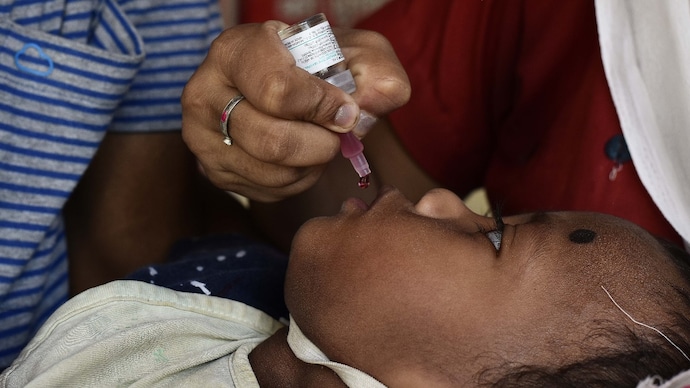
Children aged 12-23 months who were fully vaccinated increased from 83.8% to 87.1%. More than 96% of children received at least one vaccine, while 95.6% received most vaccinations through public health facilities, highlighting the reach of India's immunisation programme.
Child stunting fell significantly
One of the most encouraging findings is the decline in stunting among children under five years.
The rate dropped from 35.5% to 29.3%, suggesting improvements in long-term nutrition, maternal health and child-care practices. Severe wasting also declined from 7.7% to 5.2%, indicating progress against acute malnutrition.
NFHS-6 paints a picture of a country that has made substantial gains in maternal healthcare, childhood vaccination, nutrition and financial protection against medical expenses.
However, the survey also highlights a new challenge: India is now dealing with a double burden of disease. While child stunting and severe wasting are declining, overweight and obesity are rising among adults, increasing the risk of diabetes, heart disease and other chronic illnesses.
For this to improve, future health policies will need to balance the fight against undernutrition with growing cases of lifestyle-related diseases.
Five years after the previous round, India released the findings of the National Family Health Survey-6 (NFHS-6), offering a comprehensive snapshot of the country's progress in nutrition, family welfare, maternal and child health, and healthcare access.
The NFHS, India's largest and most extensive health survey, is conducted by the International Institute for Population Sciences (IIPS) under the Union Health Ministry. The sixth round of the survey was carried out in 2023-24 across nearly 6.8 lakh households and 715 districts, following NFHS-5 conducted between 2019 and 2021.
The NFHS-6 factsheets were released on May 29, 2026.
The data suggests that India is entering a new phase of public health challenges, where undernutrition coexists with rising obesity and non-communicable diseases.
Key NFHS-6 indicators show improvements in health insurance coverage, institutional births, antenatal care, vaccination rates and child nutrition, while fertility remains stable at 2.0 and caesarean births continue to rise.
TOP 10 HEALTH FINDINGS FROM NFHS-6
Health insurance coverage saw a major jump
Households covered under any health insurance or financing scheme increased from 41% in NFHS-5 to 60.2% in NFHS-6.
This is one of the biggest improvements recorded in the survey and reflects the expansion of schemes such as Ayushman Bharat-PMJAY.
Greater insurance coverage could reduce out-of-pocket spending and improve access to healthcare.
India's Total Fertility Rate remained at 2.0
The country's Total Fertility Rate (TFR) stayed at 2.0, remaining below the replacement level of 2.1.
This indicates that India's population growth continues to slow, with families opting for fewer children and greater adoption of family planning measures.
More Indian men are overweight or obese
The survey highlights a continuing rise in overweight and obesity among men.
NFHS-6 notes growing concerns around lifestyle-related diseases, signalling changing diets, sedentary lifestyles and increasing metabolic health risks among adult males.
Women overweight or obese continue to rise
Overweight and obesity among women also remain a major concern. This trend reflects a shift in India’s disease burden, where excess weight is becoming as important a public health issue as undernutrition.
Antenatal care coverage reached 95.9%
The proportion of pregnant women receiving antenatal care (ANC) increased from 92.6% to 95.9%. Early registration also improved, with first-trimester ANC visits rising from 70% to 76.2%.
Better antenatal care helps identify pregnancy complications early and improves maternal and newborn outcomes.
Four ANC visits crossed 65%
Women receiving at least four antenatal check-ups increased from 58.5% to 65.2%. This shows stronger continuity of maternal healthcare and greater engagement with health services during pregnancy.
Besides this, 95.9% of pregnant women received antenatal care (ANC), while mothers receiving ANC in the first trimester increased from 70.0% to 76.2%.
Institutional births crossed 90%
Institutional deliveries increased from 88.6% to 90.6%, meaning more than nine out of ten births now take place in health facilities.
This is considered one of the strongest indicators of safer childbirth and reduced maternal and newborn mortality.
Caesarean births increased sharply
The proportion of births delivered through caesarean section rose from 21.5% to 27.2% nationally.
In urban areas, C-section deliveries reportedly touched 40%, significantly higher than the World Health Organisation's recommended range of 10-15%.
The trend has renewed discussions around medical necessity and rising intervention during childbirth.
Full vaccination coverage improved
Children aged 12-23 months who were fully vaccinated increased from 83.8% to 87.1%. More than 96% of children received at least one vaccine, while 95.6% received most vaccinations through public health facilities, highlighting the reach of India's immunisation programme.
Child stunting fell significantly
One of the most encouraging findings is the decline in stunting among children under five years.
The rate dropped from 35.5% to 29.3%, suggesting improvements in long-term nutrition, maternal health and child-care practices. Severe wasting also declined from 7.7% to 5.2%, indicating progress against acute malnutrition.
NFHS-6 paints a picture of a country that has made substantial gains in maternal healthcare, childhood vaccination, nutrition and financial protection against medical expenses.
However, the survey also highlights a new challenge: India is now dealing with a double burden of disease. While child stunting and severe wasting are declining, overweight and obesity are rising among adults, increasing the risk of diabetes, heart disease and other chronic illnesses.
For this to improve, future health policies will need to balance the fight against undernutrition with growing cases of lifestyle-related diseases.

