Not every headache is a migraine: Lessons from a UK woman's brain parasite case
A headache is usually harmless, but not always. Doctors say some patients diagnosed with migraine or epilepsy may actually have a treatable brain infection. Knowing the warning signs and seeking timely medical care can make all the difference.
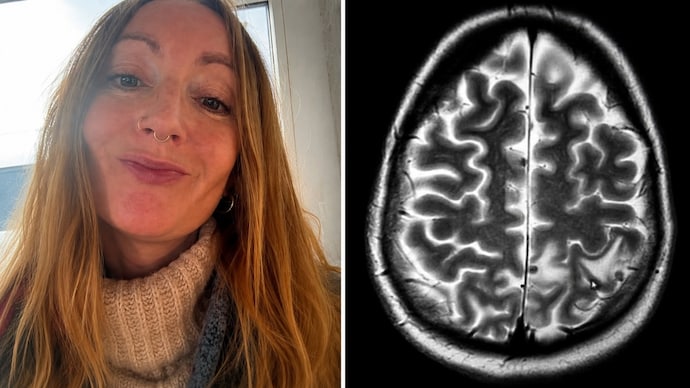
A recent case of a British woman who was found to have 38 parasitic cysts in her brain years after travelling abroad has once again drawn attention to neurocysticercosis, a disease that many people have never heard of, yet one that remains a significant cause of seizures in several parts of the world.
While such cases are uncommon, they highlight an important medical reality: not every recurring headache is "just a migraine." Similarly, not every seizure automatically means a person has epilepsy. In some cases, these symptoms may be caused by an underlying brain infection that requires completely different treatment.
Neurologists say neurocysticercosis is one of the most commonly missed neurological conditions because its symptoms closely resemble those of far more common disorders. Patients may spend months or even years being treated for migraines or epilepsy before brain imaging reveals the real cause.
The good news is that neurocysticercosis is treatable when diagnosed early. However, delayed diagnosis can increase the risk of repeated seizures, neurological complications and a reduced quality of life. Doctors therefore advise people not to ignore persistent headaches, especially when unusual symptoms accompany them.
WHY NEUROCYSTICERCOSIS IS OFTEN MISTAKEN FOR MIGRAINE OR EPILEPSY
Headaches are among the most common reasons people visit a doctor. In most cases, they are caused by tension, stress, migraine, dehydration or lack of sleep. Because these conditions are so common, doctors often consider them first.
Neurocysticercosis, however, can present with almost identical symptoms.
According to Dr Pushkar Gupta, Director – Neurology, CK Birla Hospitals, Jaipur, patients with neurocysticercosis may experience recurring headaches, seizures, dizziness, nausea, vomiting and, in some cases, brief episodes of unconsciousness.
"The first symptom is often a seizure, which may be diagnosed as epilepsy without identifying the actual underlying cause. Likewise, recurring headaches are frequently labelled as migraines when there are no obvious neurological abnormalities," he explains.
Because migraine and epilepsy themselves are common disorders, the underlying infection can easily be overlooked unless doctors suspect it and order brain imaging.
WHAT EXACTLY IS NEUROCYSTICERCOSIS?
Neurocysticercosis is a parasitic infection caused by the larval stage of Taenia solium, commonly known as the pork tapeworm.
Contrary to popular belief, people do not usually develop neurocysticercosis simply by eating pork. The condition develops when microscopic tapeworm eggs are swallowed through contaminated food or water containing human faeces. Poor sanitation and inadequate hand hygiene are major risk factors.
Once inside the body, the larvae can travel through the bloodstream and form cysts in the brain and other tissues. These cysts may remain silent for months or even years before causing symptoms.
THE WARNING SIGNS YOU SHOULD NEVER IGNORE
Most headaches are not caused by serious disease. However, doctors recommend seeking medical attention if headaches:
Become frequent or keep returning without a clear reason.
Suddenly, it became extremely severe.
Gradually worsen over weeks or months.
Wake you from sleep.
Are accompanied by seizures.
It causes weakness, confusion or difficulty speaking.
This leads to vision changes.
Are associated with repeated vomiting or loss of consciousness.
Occur for the first time in adulthood and feel unusually intense.
These symptoms do not necessarily mean someone has neurocysticercosis, but they do indicate the need for a thorough neurological evaluation.
WHY BRAIN SCANS CAN MAKE ALL THE DIFFERENCE
Unlike migraine, neurocysticercosis cannot be diagnosed based on symptoms alone.
Doctors usually recommend imaging tests such as an MRI or CT scan when symptoms raise suspicion of an underlying brain condition. These scans can detect cysts or other abnormalities that may not be apparent during a routine examination.
A detailed medical history is equally important. Doctors may ask about previous travel, living conditions, sanitation exposure and dietary habits to understand whether a parasitic infection is possible.
Early diagnosis is crucial because treatment differs completely from that for migraine or primary epilepsy.
TREATMENT IS DIFFERENT, AND EARLY DIAGNOSIS IMPROVES OUTCOMES
If neurocysticercosis is confirmed, treatment typically involves a combination of antiparasitic medicines to kill the larvae, corticosteroids to reduce inflammation and anti-seizure medications when necessary.
Treating only the symptoms, such as prescribing migraine medicines or epilepsy drugs, without identifying the underlying infection, may leave the disease untreated.
"Most headaches are not caused by serious brain diseases," says Dr Gupta. "But when headaches become persistent, unusual or are associated with neurological symptoms, people should not rely on self-medication. Consulting a neurologist early allows the correct diagnosis and treatment, helping prevent serious complications."
A recurring headache does not automatically signal a dangerous illness, and most people with headaches do not have neurocysticercosis. However, persistent symptoms should never be dismissed, especially when they are new, worsening or accompanied by seizures or other neurological changes.
A recent case of a British woman who was found to have 38 parasitic cysts in her brain years after travelling abroad has once again drawn attention to neurocysticercosis, a disease that many people have never heard of, yet one that remains a significant cause of seizures in several parts of the world.
While such cases are uncommon, they highlight an important medical reality: not every recurring headache is "just a migraine." Similarly, not every seizure automatically means a person has epilepsy. In some cases, these symptoms may be caused by an underlying brain infection that requires completely different treatment.
Neurologists say neurocysticercosis is one of the most commonly missed neurological conditions because its symptoms closely resemble those of far more common disorders. Patients may spend months or even years being treated for migraines or epilepsy before brain imaging reveals the real cause.
The good news is that neurocysticercosis is treatable when diagnosed early. However, delayed diagnosis can increase the risk of repeated seizures, neurological complications and a reduced quality of life. Doctors therefore advise people not to ignore persistent headaches, especially when unusual symptoms accompany them.
WHY NEUROCYSTICERCOSIS IS OFTEN MISTAKEN FOR MIGRAINE OR EPILEPSY
Headaches are among the most common reasons people visit a doctor. In most cases, they are caused by tension, stress, migraine, dehydration or lack of sleep. Because these conditions are so common, doctors often consider them first.
Neurocysticercosis, however, can present with almost identical symptoms.
According to Dr Pushkar Gupta, Director – Neurology, CK Birla Hospitals, Jaipur, patients with neurocysticercosis may experience recurring headaches, seizures, dizziness, nausea, vomiting and, in some cases, brief episodes of unconsciousness.
"The first symptom is often a seizure, which may be diagnosed as epilepsy without identifying the actual underlying cause. Likewise, recurring headaches are frequently labelled as migraines when there are no obvious neurological abnormalities," he explains.
Because migraine and epilepsy themselves are common disorders, the underlying infection can easily be overlooked unless doctors suspect it and order brain imaging.
WHAT EXACTLY IS NEUROCYSTICERCOSIS?
Neurocysticercosis is a parasitic infection caused by the larval stage of Taenia solium, commonly known as the pork tapeworm.
Contrary to popular belief, people do not usually develop neurocysticercosis simply by eating pork. The condition develops when microscopic tapeworm eggs are swallowed through contaminated food or water containing human faeces. Poor sanitation and inadequate hand hygiene are major risk factors.
Once inside the body, the larvae can travel through the bloodstream and form cysts in the brain and other tissues. These cysts may remain silent for months or even years before causing symptoms.
THE WARNING SIGNS YOU SHOULD NEVER IGNORE
Most headaches are not caused by serious disease. However, doctors recommend seeking medical attention if headaches:
Become frequent or keep returning without a clear reason.
Suddenly, it became extremely severe.
Gradually worsen over weeks or months.
Wake you from sleep.
Are accompanied by seizures.
It causes weakness, confusion or difficulty speaking.
This leads to vision changes.
Are associated with repeated vomiting or loss of consciousness.
Occur for the first time in adulthood and feel unusually intense.
These symptoms do not necessarily mean someone has neurocysticercosis, but they do indicate the need for a thorough neurological evaluation.
WHY BRAIN SCANS CAN MAKE ALL THE DIFFERENCE
Unlike migraine, neurocysticercosis cannot be diagnosed based on symptoms alone.
Doctors usually recommend imaging tests such as an MRI or CT scan when symptoms raise suspicion of an underlying brain condition. These scans can detect cysts or other abnormalities that may not be apparent during a routine examination.
A detailed medical history is equally important. Doctors may ask about previous travel, living conditions, sanitation exposure and dietary habits to understand whether a parasitic infection is possible.
Early diagnosis is crucial because treatment differs completely from that for migraine or primary epilepsy.
TREATMENT IS DIFFERENT, AND EARLY DIAGNOSIS IMPROVES OUTCOMES
If neurocysticercosis is confirmed, treatment typically involves a combination of antiparasitic medicines to kill the larvae, corticosteroids to reduce inflammation and anti-seizure medications when necessary.
Treating only the symptoms, such as prescribing migraine medicines or epilepsy drugs, without identifying the underlying infection, may leave the disease untreated.
"Most headaches are not caused by serious brain diseases," says Dr Gupta. "But when headaches become persistent, unusual or are associated with neurological symptoms, people should not rely on self-medication. Consulting a neurologist early allows the correct diagnosis and treatment, helping prevent serious complications."
A recurring headache does not automatically signal a dangerous illness, and most people with headaches do not have neurocysticercosis. However, persistent symptoms should never be dismissed, especially when they are new, worsening or accompanied by seizures or other neurological changes.

