Rice, roti and rising diabetes: What's happening on India's dinner plates?
Rice and roti together have long been considered the heart of the Indian thali. But as diabetes, obesity and heart disease continue to rise, experts say it may be time to rethink how we build our plates.
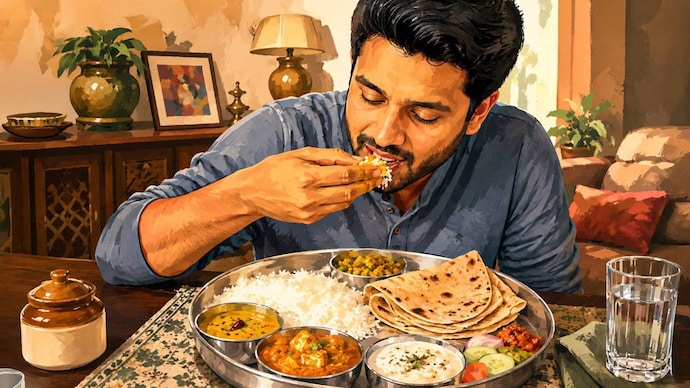
For millions of Indians, a meal feels incomplete without both rice and roti on the plate. Whether it is a comforting lunch at home, a festive feast, or a restaurant thali, the combination has become deeply woven into everyday eating habits.
In the southern and eastern parts of India, rice has traditionally been the staple grain. In northern and western regions, wheat-based rotis have dominated meals for generations. As people migrated, urbanised and adopted more diverse food habits, the two staples increasingly began appearing together on the same plate.
Today, the rice-roti combination is more than food. It represents tradition, culture, family habits and comfort. It is a familiar sight in households, offices, weddings and celebrations.
However, health experts warn that while there is nothing inherently wrong with either rice or roti, eating both in large quantities as part of an already carbohydrate-heavy meal may be contributing to India's growing burden of lifestyle diseases.
India is often referred to as the diabetes capital of the world, with millions of people living with diabetes or prediabetes. Rising rates of obesity, insulin resistance, high blood pressure and heart disease have prompted experts to examine dietary patterns that may be driving these trends.
According to Divya Jain, Senior Dietitian at CK Birla Hospitals, Jaipur, the issue is not the presence of rice or roti alone but the overall balance of the meal.
WHY RICE AND ROTI BECAME A POWERFUL COMBINATION
Rice-producing states naturally developed rice-based cuisines, while wheat-growing regions relied heavily on rotis and other wheat products. Over time, greater access to different foods, changing lifestyles and urbanisation led to a blending of these dietary habits.
Today, many people consume rice, roti and other carbohydrate-rich foods such as potatoes in the same meal. The habit has become so common that many do not consider it excessive.
"Rice in the South and East, wheat in the North and West, and both increasing across urban India, have become symbols of the staple diet. This combination reflects tradition and agricultural patterns as much as taste," says Jain.
THE REAL PROBLEM: TOO MANY CARBS, TOO LITTLE BALANCE
Dieticians say the concern arises when multiple carbohydrate sources dominate the plate while protein, vegetables and healthy fats remain limited.
A typical Indian meal may include rice, roti, potatoes, lentils, sweetened beverages and desserts. While each food has its place, consuming several carb-rich foods together can significantly increase the overall carbohydrate load of the meal.
At the same time, many people consume relatively small portions of protein-rich foods such as paneer, eggs, fish, chicken, curd or pulses. Vegetables are often treated as side dishes rather than a major component of the meal.
This imbalance can affect blood sugar control, satiety and long-term health.
"When multiple carb sources dominate the plate while protein and fibre take a back seat, it becomes a concern, especially for populations already at high risk of diabetes, obesity, cardiovascular disease and hypertension," Jain explains.
HOW MODERN LIFESTYLES HAVE CHANGED THE EQUATION
India's rapid economic growth has brought major changes to eating habits.
Traditional diets that once involved more physical activity and less processed food are increasingly being replaced by convenient, refined and packaged foods. Sedentary lifestyles, long working hours and reduced physical activity have further increased health risks.
As a result, conditions such as abdominal obesity, insulin resistance and metabolic disorders are becoming more common, even among younger adults.
Dietitians note that excessive consumption of refined carbohydrates can contribute to spikes in blood sugar levels, increased hunger and overeating if meals are not balanced properly.
DOES THIS MEAN YOU SHOULD STOP EATING RICE OR ROTI?
The simple answer is no.
Nutrition experts stress that neither rice nor roti should be blamed individually. Both can be part of a healthy and balanced diet.
Rice provides energy and is easy to digest, while whole wheat rotis offer fibre and essential nutrients. Problems arise when portion sizes become excessive and meals lack adequate protein and vegetables.
"The concern is not with rice and roti alone. Both can be a part of a healthy diet when consumed mindfully," says Jain.
Instead of eliminating favourite foods, dietitians recommend focusing on portion control and meal composition.
HOW TO BUILD A MORE BALANCED INDIAN PLATE
Nutritionists suggest following a balanced plate approach:
- Fill half the plate with vegetables and salads.
- Reserve one-quarter of the plate for protein sources such as dal, paneer, eggs, fish, chicken or curd.
- Use the remaining quarter for carbohydrates such as rice or roti.
- Avoid consuming large portions of both rice and roti together regularly.
- Limit sugary beverages and desserts.
- Include healthy fats from nuts, seeds and traditional cooking oils in moderation.
This approach can improve satiety, support blood sugar control and reduce the risk of overeating.
THE GOAL IS BALANCE, NOT RESTRICTION
Food is deeply connected to culture, family traditions and emotional well-being. Asking people to completely abandon staple foods is neither practical nor necessary.
Instead, experts believe the focus should be on creating awareness about balanced meals and mindful eating.
The rice-roti combination may remain a beloved part of Indian cuisine for generations to come. But in a country facing a growing epidemic of diabetes and other lifestyle diseases, the challenge is not choosing between rice and roti—it is learning how to enjoy them in moderation while giving equal importance to protein, fibre and overall nutrition.
As Jain puts it, the goal is not to create restrictions but to maintain balance. And when it comes to long-term health, that balance may be the most important ingredient on the plate.
For millions of Indians, a meal feels incomplete without both rice and roti on the plate. Whether it is a comforting lunch at home, a festive feast, or a restaurant thali, the combination has become deeply woven into everyday eating habits.
In the southern and eastern parts of India, rice has traditionally been the staple grain. In northern and western regions, wheat-based rotis have dominated meals for generations. As people migrated, urbanised and adopted more diverse food habits, the two staples increasingly began appearing together on the same plate.
Today, the rice-roti combination is more than food. It represents tradition, culture, family habits and comfort. It is a familiar sight in households, offices, weddings and celebrations.
However, health experts warn that while there is nothing inherently wrong with either rice or roti, eating both in large quantities as part of an already carbohydrate-heavy meal may be contributing to India's growing burden of lifestyle diseases.
India is often referred to as the diabetes capital of the world, with millions of people living with diabetes or prediabetes. Rising rates of obesity, insulin resistance, high blood pressure and heart disease have prompted experts to examine dietary patterns that may be driving these trends.
According to Divya Jain, Senior Dietitian at CK Birla Hospitals, Jaipur, the issue is not the presence of rice or roti alone but the overall balance of the meal.
WHY RICE AND ROTI BECAME A POWERFUL COMBINATION
Rice-producing states naturally developed rice-based cuisines, while wheat-growing regions relied heavily on rotis and other wheat products. Over time, greater access to different foods, changing lifestyles and urbanisation led to a blending of these dietary habits.
Today, many people consume rice, roti and other carbohydrate-rich foods such as potatoes in the same meal. The habit has become so common that many do not consider it excessive.
"Rice in the South and East, wheat in the North and West, and both increasing across urban India, have become symbols of the staple diet. This combination reflects tradition and agricultural patterns as much as taste," says Jain.
THE REAL PROBLEM: TOO MANY CARBS, TOO LITTLE BALANCE
Dieticians say the concern arises when multiple carbohydrate sources dominate the plate while protein, vegetables and healthy fats remain limited.
A typical Indian meal may include rice, roti, potatoes, lentils, sweetened beverages and desserts. While each food has its place, consuming several carb-rich foods together can significantly increase the overall carbohydrate load of the meal.
At the same time, many people consume relatively small portions of protein-rich foods such as paneer, eggs, fish, chicken, curd or pulses. Vegetables are often treated as side dishes rather than a major component of the meal.
This imbalance can affect blood sugar control, satiety and long-term health.
"When multiple carb sources dominate the plate while protein and fibre take a back seat, it becomes a concern, especially for populations already at high risk of diabetes, obesity, cardiovascular disease and hypertension," Jain explains.
HOW MODERN LIFESTYLES HAVE CHANGED THE EQUATION
India's rapid economic growth has brought major changes to eating habits.
Traditional diets that once involved more physical activity and less processed food are increasingly being replaced by convenient, refined and packaged foods. Sedentary lifestyles, long working hours and reduced physical activity have further increased health risks.
As a result, conditions such as abdominal obesity, insulin resistance and metabolic disorders are becoming more common, even among younger adults.
Dietitians note that excessive consumption of refined carbohydrates can contribute to spikes in blood sugar levels, increased hunger and overeating if meals are not balanced properly.
DOES THIS MEAN YOU SHOULD STOP EATING RICE OR ROTI?
The simple answer is no.
Nutrition experts stress that neither rice nor roti should be blamed individually. Both can be part of a healthy and balanced diet.
Rice provides energy and is easy to digest, while whole wheat rotis offer fibre and essential nutrients. Problems arise when portion sizes become excessive and meals lack adequate protein and vegetables.
"The concern is not with rice and roti alone. Both can be a part of a healthy diet when consumed mindfully," says Jain.
Instead of eliminating favourite foods, dietitians recommend focusing on portion control and meal composition.
HOW TO BUILD A MORE BALANCED INDIAN PLATE
Nutritionists suggest following a balanced plate approach:
- Fill half the plate with vegetables and salads.
- Reserve one-quarter of the plate for protein sources such as dal, paneer, eggs, fish, chicken or curd.
- Use the remaining quarter for carbohydrates such as rice or roti.
- Avoid consuming large portions of both rice and roti together regularly.
- Limit sugary beverages and desserts.
- Include healthy fats from nuts, seeds and traditional cooking oils in moderation.
This approach can improve satiety, support blood sugar control and reduce the risk of overeating.
THE GOAL IS BALANCE, NOT RESTRICTION
Food is deeply connected to culture, family traditions and emotional well-being. Asking people to completely abandon staple foods is neither practical nor necessary.
Instead, experts believe the focus should be on creating awareness about balanced meals and mindful eating.
The rice-roti combination may remain a beloved part of Indian cuisine for generations to come. But in a country facing a growing epidemic of diabetes and other lifestyle diseases, the challenge is not choosing between rice and roti—it is learning how to enjoy them in moderation while giving equal importance to protein, fibre and overall nutrition.
As Jain puts it, the goal is not to create restrictions but to maintain balance. And when it comes to long-term health, that balance may be the most important ingredient on the plate.

